At a glance
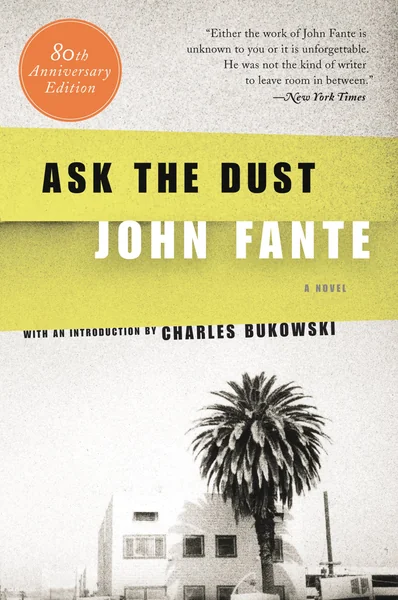
Ask the Dust
by John Fante
LuvemBooks Verdict
Best for: Serious readers of American fiction who are drawn to the literature of place — Los Angeles in particular — or to the tradition of autobiographical modernism and raw, self-lacerating confessional prose.
Worth it? Skip it? Read the full verdict →Ask LuvemBooks
Was this helpful?
- Is it worth reading?
- Ask the Dust is an essential work for any serious reader of American literary fiction — its transformation from a 1939 print run of just 2,200 copies to a staple of college syllabi and a recognized classic is itself a testament to the novel's staying power. Arturo Bandini is one of American fiction's most vivid and contradictory protagonists, and Fante's portrait of Depression-era Los Angeles remains unlike anything else in the tradition. The key caveat is that the novel demands a reader willing to engage with an intentionally uncomfortable protagonist and an episodic, interiority-driven structure rather than conventional plot resolution. For the right reader — particularly those drawn to autobiographical modernism or the literature of Los Angeles — it is genuinely indispensable.
- Similar books
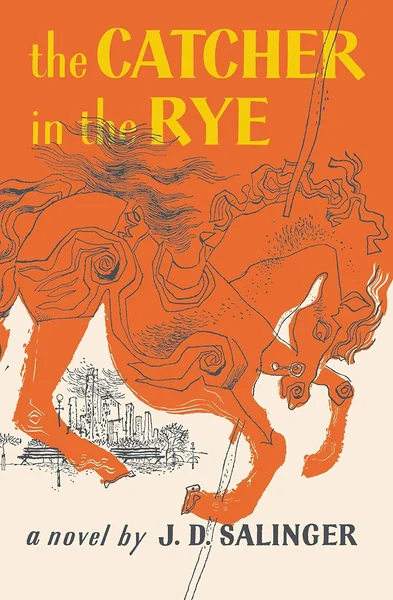
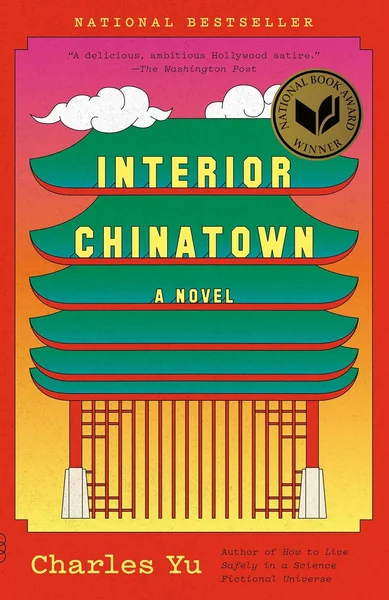
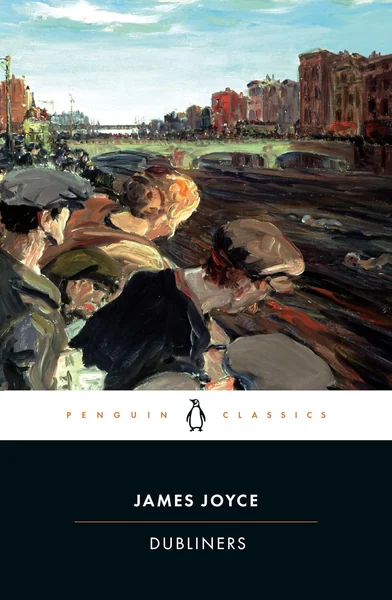
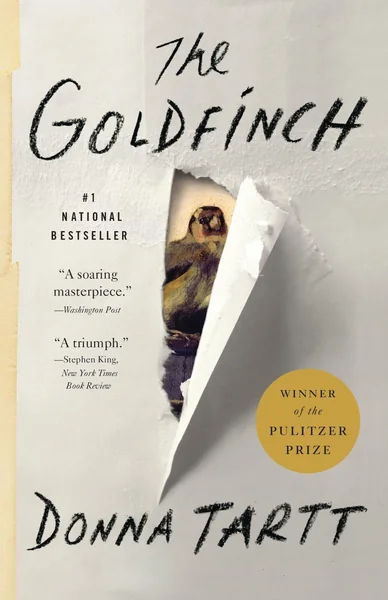
- Readers drawn to Ask the Dust's portrait of a young, self-mythologizing artistic outsider will find strong kinship in J. D. Salinger's The Catcher in the Rye, which shares Fante's intensity of adolescent interiority and its narrator's simultaneous grandiosity and vulnerability. Knut Hamsun's Hunger — a direct acknowledged influence, cited for its intense first-person portrait of a starving writer whose ego outpaces his circumstances — is the closest literary ancestor to Fante's novel. For the theme of ethnic and cultural identity navigated through literary form, Charles Yu's Interior Chinatown and James Joyce's Dubliners both offer rich comparisons. Donna Tartt's The Goldfinch likewise traces a young protagonist's ambition and self-destruction across a vividly rendered American landscape. John Fante's own Wait Until Spring, Bandini, an earlier entry in the Bandini Quartet, gives essential background on Arturo's origins.
- Who should read this?
- Ask the Dust belongs on the shelf of any serious reader of American literary fiction, particularly those drawn to the literature of place — Los Angeles specifically — or to the tradition of autobiographical modernism and confessional prose. It is especially suited to readers interested in how a book's cultural afterlife can be as dramatic as the text itself: rescued from obscurity by Bukowski, reissued in 1980, adapted for the screen, and now a fixture of university coursework. Readers who require a likable protagonist or a conventionally resolved plot will find Bandini's company genuinely uncomfortable, by Fante's deliberate design.
- Tell me about the adaptation
- Ask the Dust was adapted for the screen in 2006 by screenwriter Robert Towne — the same writer who has called the novel the greatest ever written about Los Angeles — with Salma Hayek and Colin Farrell in the lead roles. Notably, Towne's involvement connects the book's critical reputation directly to its cinematic legacy, as he is both one of the novel's most prominent champions and its adapter. The Ecco paperback edition of the novel was also published in 2006, coinciding with the film's release, making that year a key moment in the book's ongoing cultural rediscovery.
- What are the main themes?
- Ask the Dust weaves together poverty, Catholic guilt, Italian-American identity, the hunger for artistic recognition, and the cruelties of desire into a tightly compact narrative. Bandini's ethnic anxiety — directed both inward in self-contempt and outward toward Camilla Lopez — is one of the novel's most demanding and most discussed threads. Fante's portrait of Depression-era Los Angeles frames all of these personal struggles against a broader social dystopia, giving the novel a density that its short page count alone does not suggest. The collision between Bandini's grandiose writerly self-image and the grinding reality of his circumstances is the engine that drives every scene.
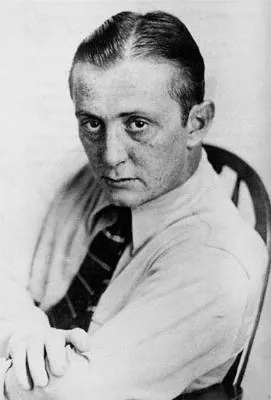
- About John Fante
- John Fante was an American novelist, short story writer, and screenwriter.
Summarize this book
Follow up
Synthesized from verified book data & published reviews · How we review
Press Enter to ask. Answers come from our editorial Q&A — start typing to see related questions.
Age & Reading Level
Recommended age
Ages 16+
Reading level
Adult
3 content notes · who it suits
Content to know about
Best for: Adults / mature 16+ — Bandini's ethnic self-contempt, his psychologically cruel treatment of Camilla Lopez, and the novel's unflinching portrayal of mental deterioration and Depression-era degradation suit mature readers.
Skip if you want a conventionally plotted novel with a sympathetic protagonist and a satisfying resolution.
Editorial Review
First published in 1939 and rescued from obscurity by Charles Bukowski's championing of it four decades later, Ask the Dust is widely regarded as an American classic — the most celebrated novel of John Fante's career and a foundational text of Depression-era Los Angeles fiction.
Read the Full ReviewBooks like Ask the Dust
Curated picks for readers who enjoyed Ask the Dust, with our reasoning for each match.
If you liked Ask the Dust