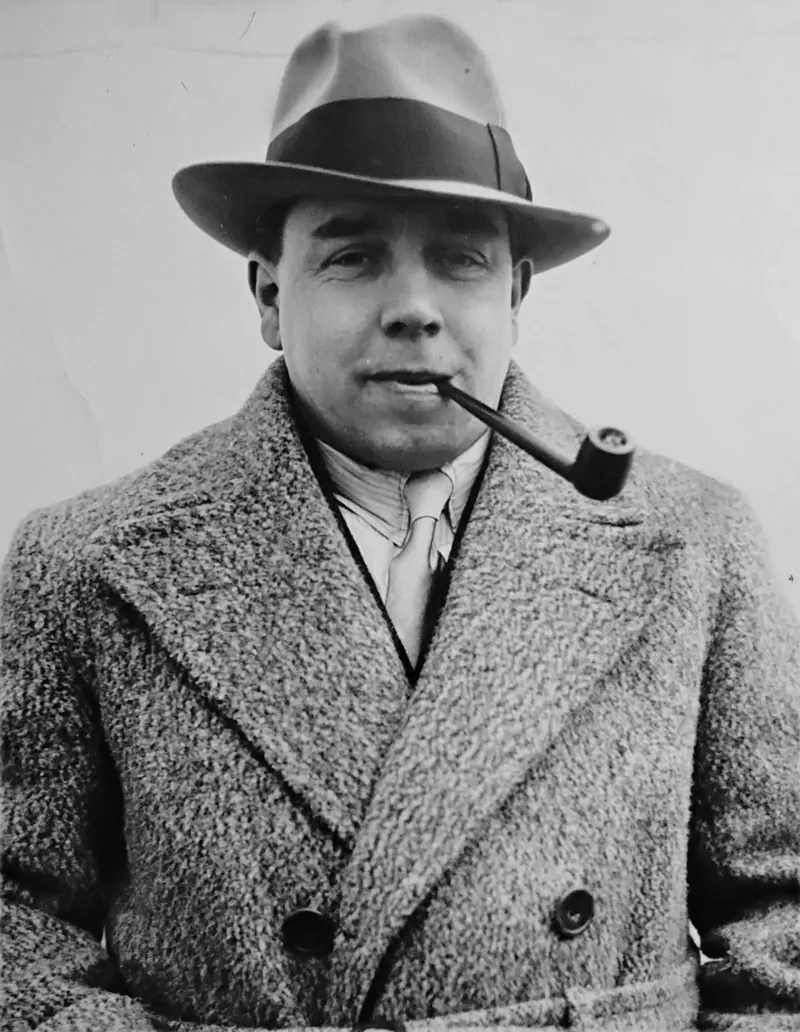
J.B. Priestley
1
Books ReviewedAsk LuvemBooks about J.B. Priestley
- Where should I start?
- If you are new to Priestley, An Inspector Calls is the natural entry point — and not just because it is the most widely read. Its single-set, single-evening structure makes it immediately accessible, while its central mystery (who is Inspector Goole, really?) rewards close attention. It also gives you a concentrated example of everything distinctive about Priestley: the moral urgency, the class critique, and the precise, pointed dialogue. Readers who connect with it often find themselves wanting to explore his broader catalogue of novels and essays.
- What's their writing style?
- Priestley writes with clarity and economy, particularly in his stage work, where dialogue carries the weight of both character revelation and ideological argument. In An Inspector Calls, his technique is almost interrogative in structure — information is rationed and released through a series of confrontations that progressively strip away the comfortable self-deceptions of a bourgeois family. His tone is rarely sentimental, even when his sympathies are clear, and he tends to build moral pressure through situation and dramatic irony rather than through explicit moralising. Across his wider work, a strong Northern English plainspokenness runs through both his fictional voices and his essayistic prose.
- Books we've reviewed
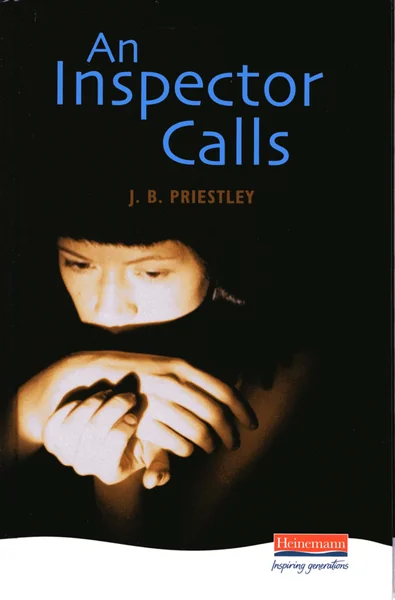
- LuvemBooks has reviewed one J.B. Priestley title to date. An Inspector Calls is his most widely read work and one of the most-produced plays in British theatre — a gripping moral drama set in 1912 that holds up a mirror to class privilege and collective conscience. It carries an Amazon reader rating of 4.6 out of 5 from nearly 11,000 ratings, reflecting its enduring appeal both on the page and in the classroom.
- What genre does Priestley write?
- Priestley worked across several forms throughout his career, but he is primarily known as a playwright and novelist. His plays — including An Inspector Calls — belong to the tradition of social realist drama, using domestic or confined settings to explore wider questions about class, morality, and responsibility. His novels range from comic-picaresque (The Good Companions) to darker urban realism (Angel Pavement), and he also wrote significant non-fiction, including social documentary and literary criticism.
- What should I read after An Inspector Calls?
- Readers who want to stay within Priestley's drama should look at Time and the Conways (1937) and I Have Been Here Before (1937), both of which develop his interest in time theories and feature the same structural intelligence as An Inspector Calls. For a different side of Priestley entirely, The Good Companions (1929) is a generous, character-rich novel that shows how expansive and warm his writing could be when freed from the moral pressure cooker of his stage work.
Who is J.B. Priestley?
Follow up
Synthesized from verified book data & published reviews · How we review
Press Enter to ask. Answers come from our editorial Q&A — start typing to see related questions.
Authors Like J.B. Priestley
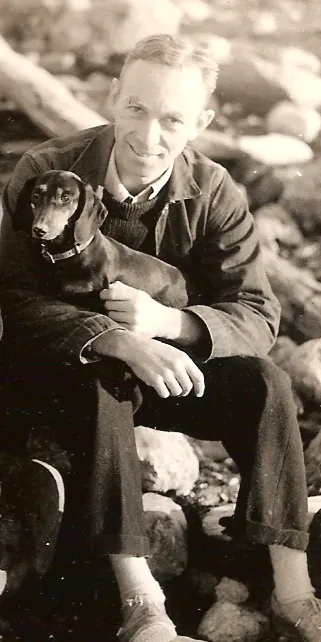
E. B. White
Born Elwyn Brooks White in 1899, this masterful American writer carved out a unique literary legacy that bridged the sophisticated world of *The New Yorker* magazine and the enchanting realm of children's literature.
1 book reviewed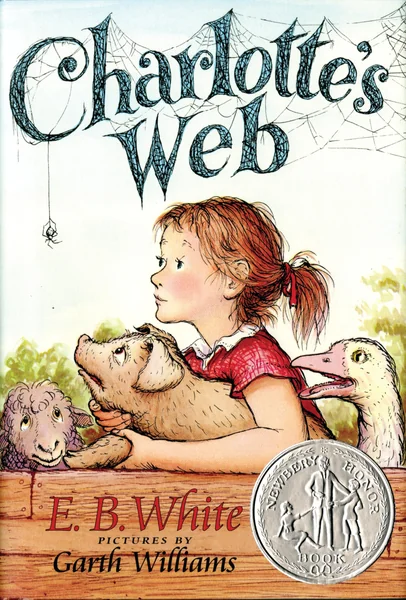
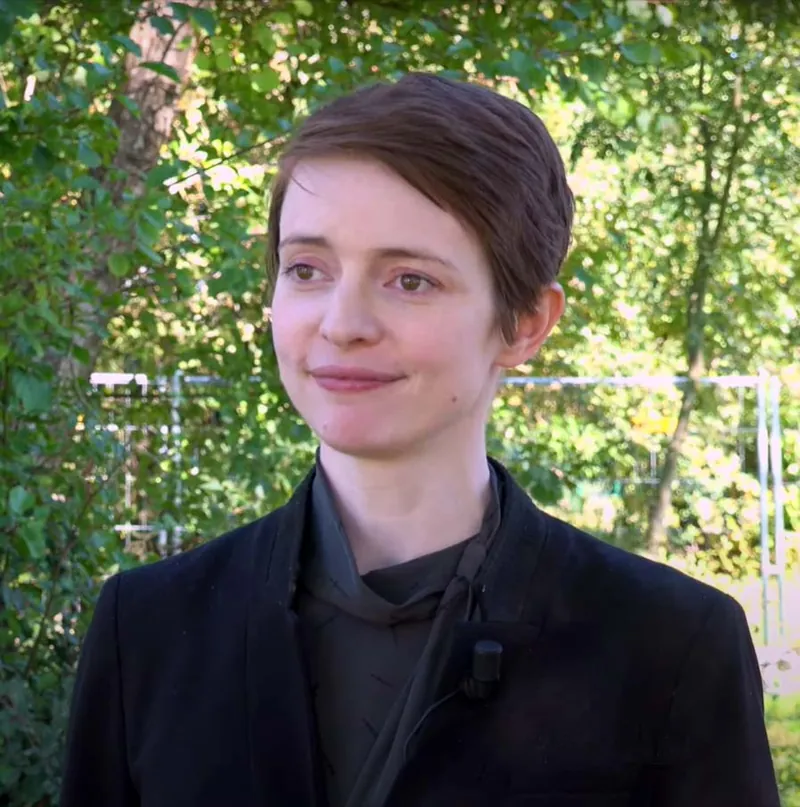
Emily St. John Mandel
Emily St. John Mandel is a Canadian novelist and essayist.
1 book reviewed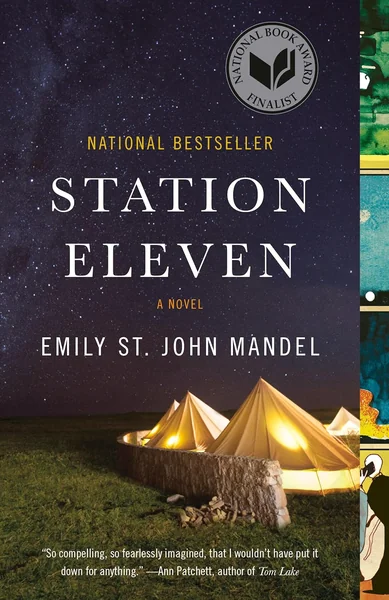
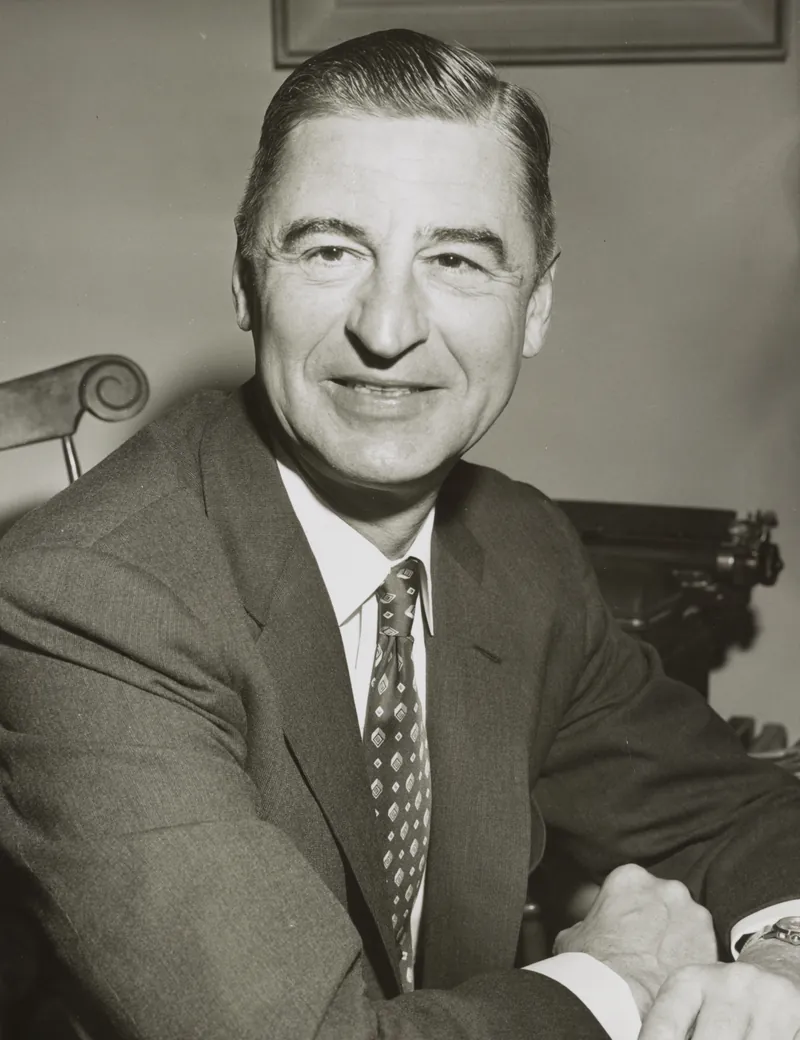
Dr. Seuss
Theodor Seuss Geisel was an American children's author, illustrator, animator, and cartoonist.
1 book reviewed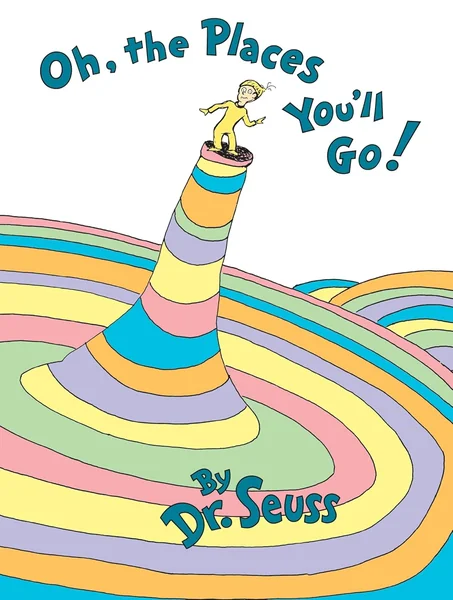
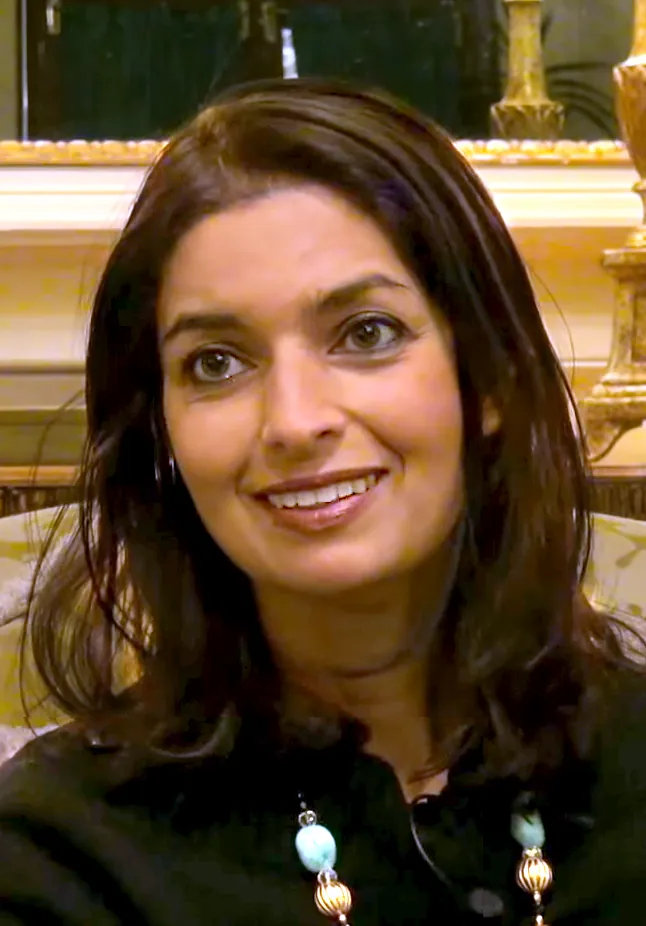
Jhumpa Lahiri
Nilanjana Sudeshna "Jhumpa" Lahiri is a British-American author known for her short stories, novels, and essays in English and, more recently, in Italian..
1 book reviewed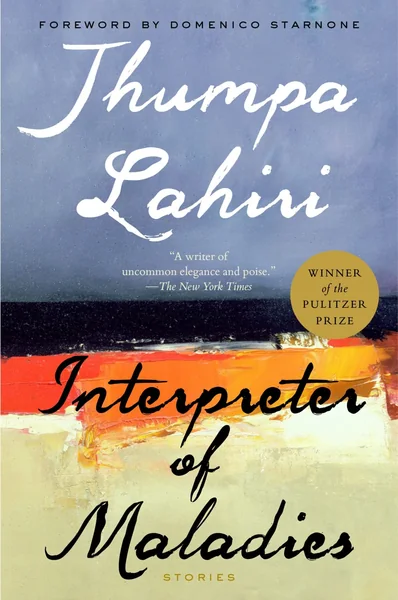

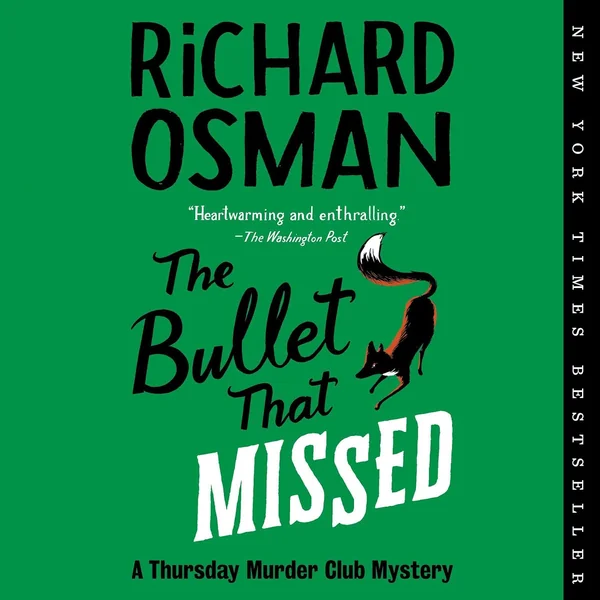
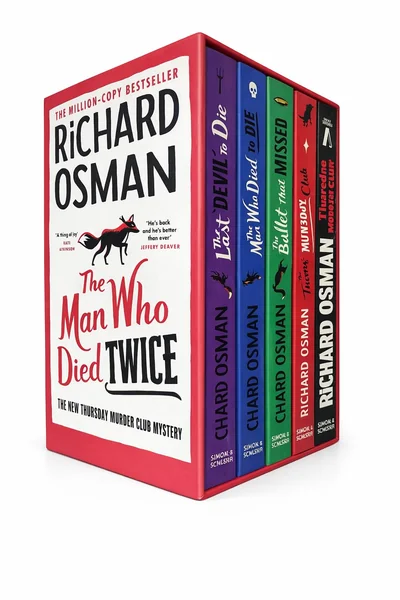
Richard Osman
Richard Thomas Osman is an English television presenter, producer, and novelist.
3 books reviewed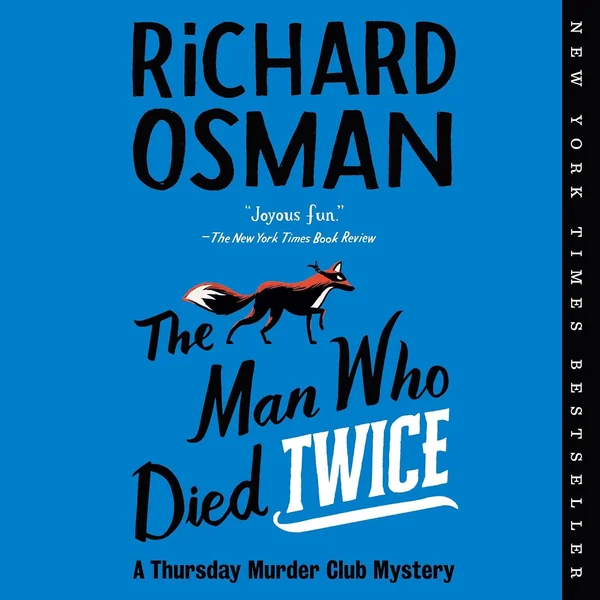
Markus Zusak
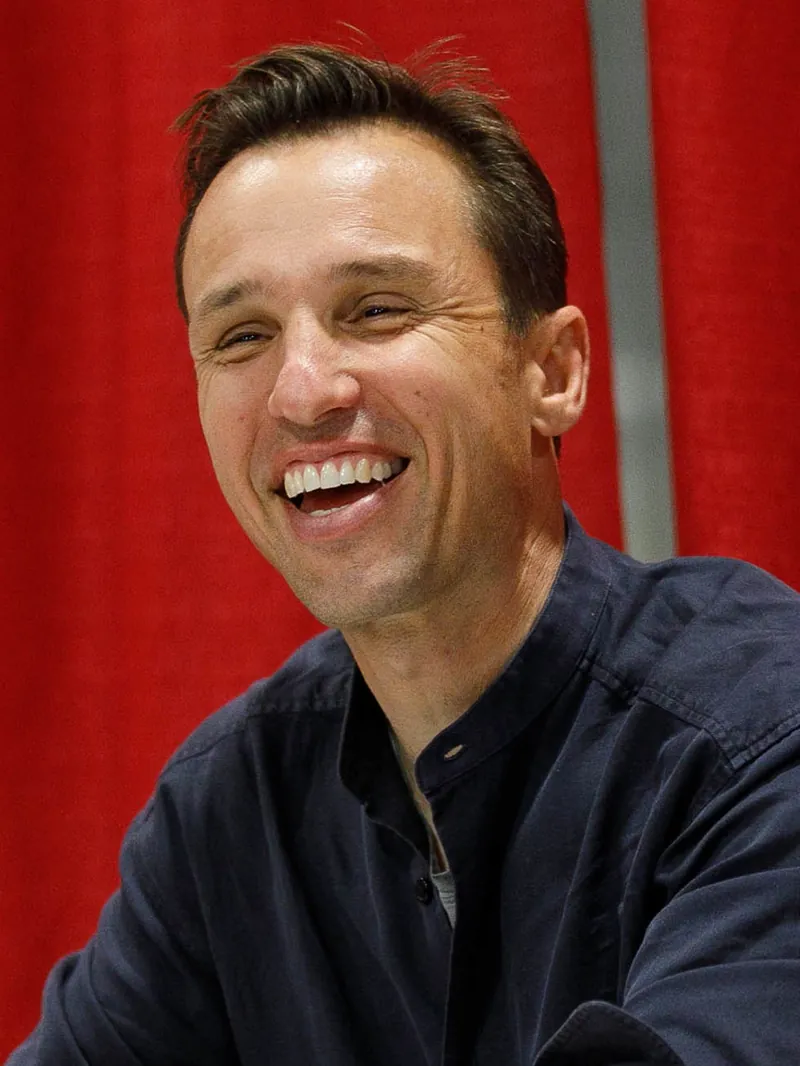
Born in Sydney to German immigrant parents, **Markus Zusak** has become one of Australia's most celebrated literary voices, captivating readers worldwide with his distinctive storytelling.
1 book reviewed