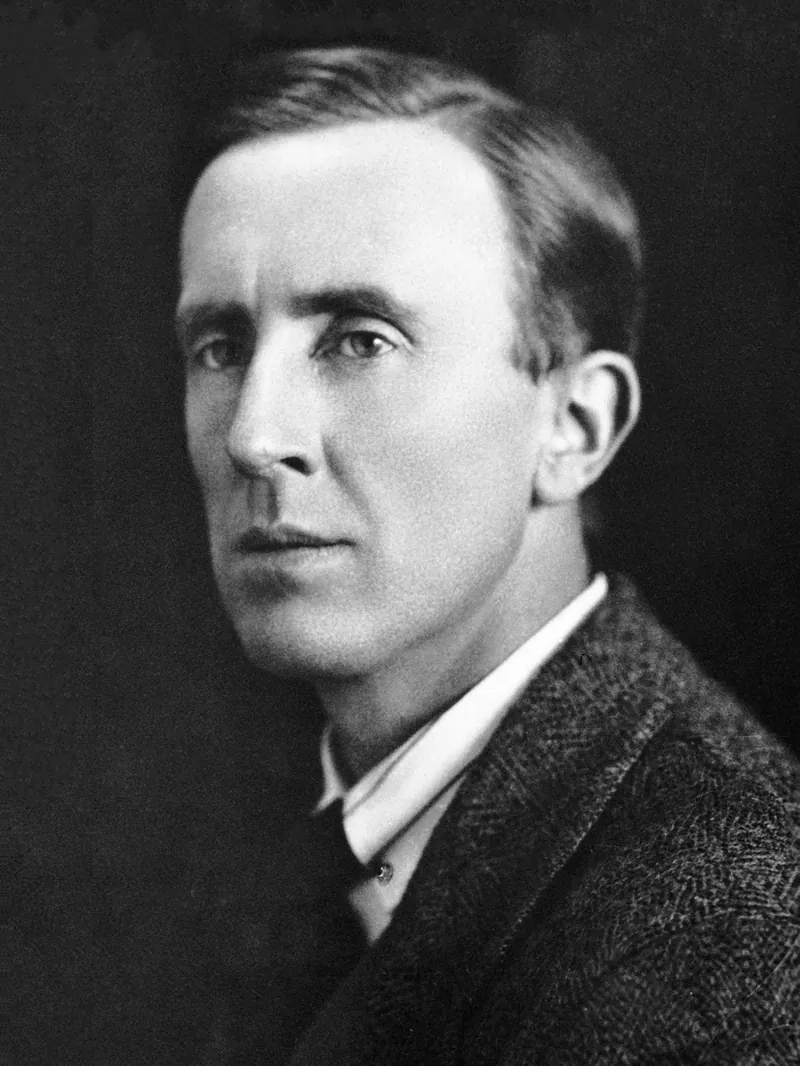
J.R.R. Tolkien
3
Books ReviewedAsk LuvemBooks about J.R.R. Tolkien
- Where should I start?
- Start with The Fellowship of the Ring: its summary identifies it as the opening volume and sets up Frodo Baggins’s quest to destroy the One Ring. It also has the largest stated Amazon reader-rating base among the reviewed books, at 4.8/5 from 236 ratings.
- What's their writing style?
- Based on the reviewed summaries, Tolkien’s mode here is epic fantasy with unusual infrastructural depth: a richly constructed Middle-earth, a quest with world-altering stakes, and paratext such as appendices and an index that extend the world beyond the main narrative. His philology background makes that emphasis on lore feel deliberate rather than decorative.
- Books we've reviewed
- LuvemBooks has reviewed 3 Tolkien books. The Fellowship of the Ring opens the sequence with Frodo’s quest and a 4.8/5 Amazon reader rating from 236 ratings; The Two Towers is the second volume, also 4.8/5 from 102 Amazon ratings, with coverage noting the collector’s edition’s stated hardcover features; The Return of the King is described in its summary as the third and final volume, rated 4.7/5 from 89 Amazon ratings, with appendices and index included.
- How do their books compare?
- Among the three Tolkien books reviewed, The Fellowship of the Ring is the natural entry point because its summary calls it the opening volume and establishes Frodo’s quest. The Two Towers continues as the second volume and its review also foregrounds stated Collector’s Edition specifications, while The Return of the King is described in its summary as the third and final volume and stands out for including appendices and an index. Their Amazon reader ratings are nearly level: 4.8/5, 4.8/5 and 4.7/5.
- Why is The Fellowship of the Ring trending?
- The Fellowship of the Ring is currently flagged as trending for an adaptation context. The data provided does not say which adaptation or when, so the safest takeaway is that screen-related attention is pushing interest back toward the opening volume and Frodo’s quest.
- Are any books being adapted?
- Yes: The Fellowship of the Ring is the only reviewed Tolkien title currently marked with an adaptation trend in the provided data. No further adaptation details are given, so LuvemBooks should not claim a specific film, series or release date.
- What should I read after Fellowship?
- Continue with The Two Towers, identified in the data as the second volume, then The Return of the King, whose summary describes it as the third and final volume and notes the appendices and index. That order follows the reviewed sequence without assuming anything beyond the provided summaries.
Who is J.R.R. Tolkien?
Follow up
Synthesized from verified book data & published reviews · How we review
Press Enter to ask. Answers come from our editorial Q&A — start typing to see related questions.
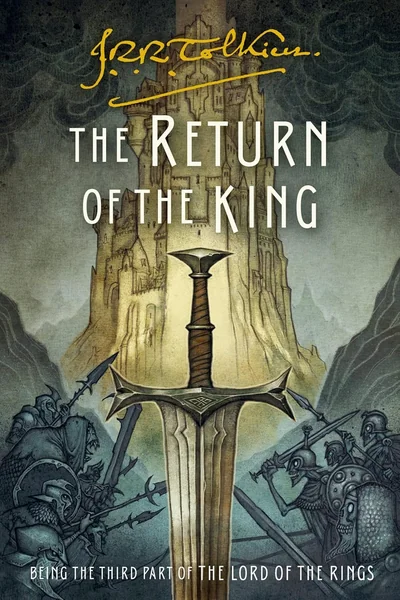
The Return of the King
4.7/5
reader rating · 89 ratingsThe Return of the King is the third and final volume of J.R.R. Tolkien's The Lord of the Rings, first published in 1955, completing one of the most influential works in the history of fantasy literature — and this edition includes the complete appendices and index that give the world of Middle-earth its extraordinary depth.
Reviewed Sep 6, 2026
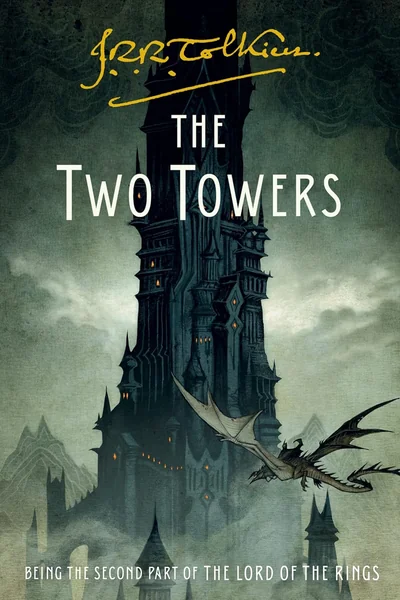
The Two Towers
4.8/5
reader rating · 102 ratingsThe Two Towers Collector's Edition brings J.R.R. Tolkien's second volume of The Lord of the Rings — a work of uncontested importance in the fantasy canon — to a hardcover format described by its publisher as featuring foil stamping, stained edges, and a ribbon bookmark. This review covers the text's content and the edition's stated physical specifications based on published sources; it cannot assess the physical object first-hand.
Reviewed Jul 27, 2026
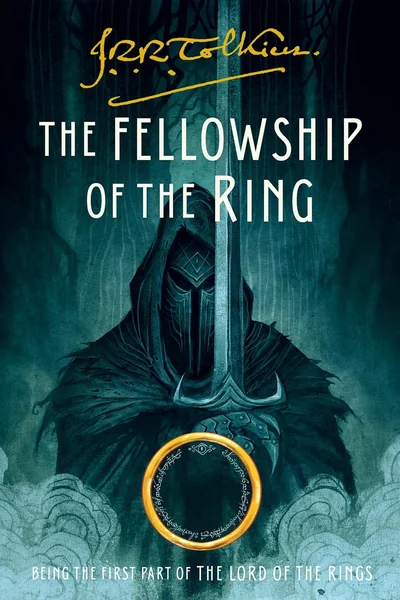
The Fellowship of the Ring: Being the First Part of The Lord of the Rings
4.8/5
reader rating · 236 ratingsThe Fellowship of the Ring is the opening volume of J.R.R. Tolkien's landmark epic The Lord of the Rings — a foundational work of fantasy fiction set in the richly constructed world of Middle-earth, following hobbit Frodo Baggins as he sets out on a world-altering quest to destroy the One Ring.
Reviewed May 16, 2026
Authors Like J.R.R. Tolkien

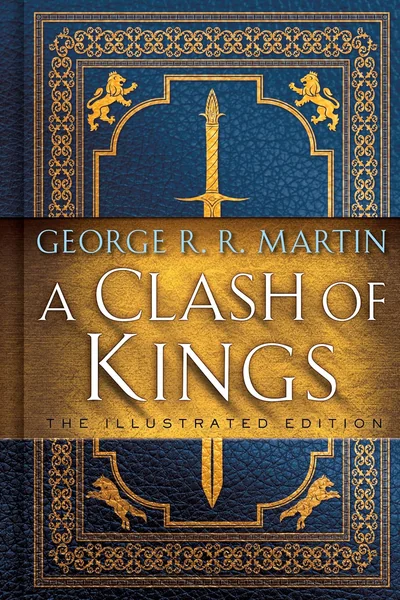
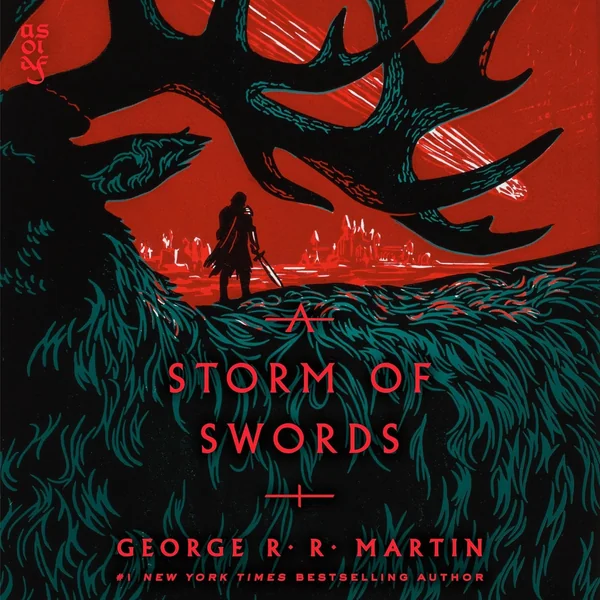
George R. R. Martin

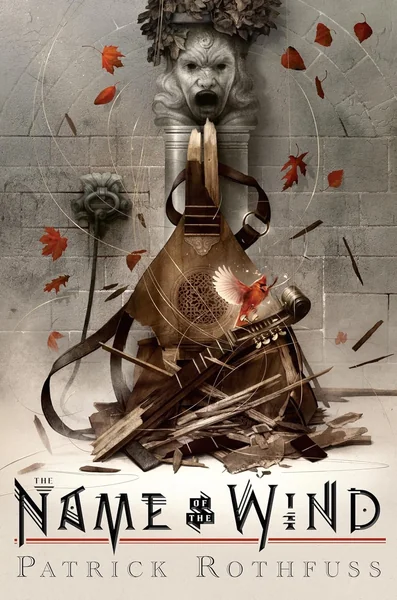
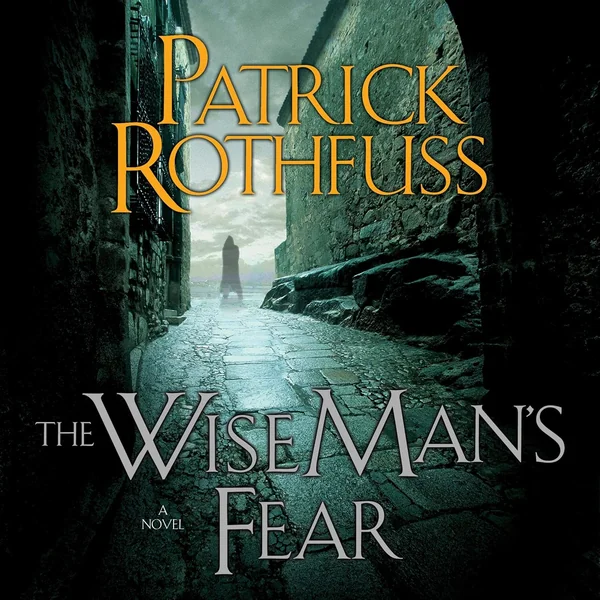
Patrick Rothfuss

Terry Pratchett
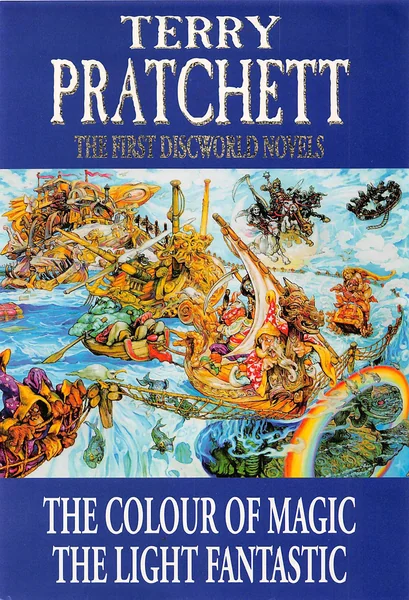
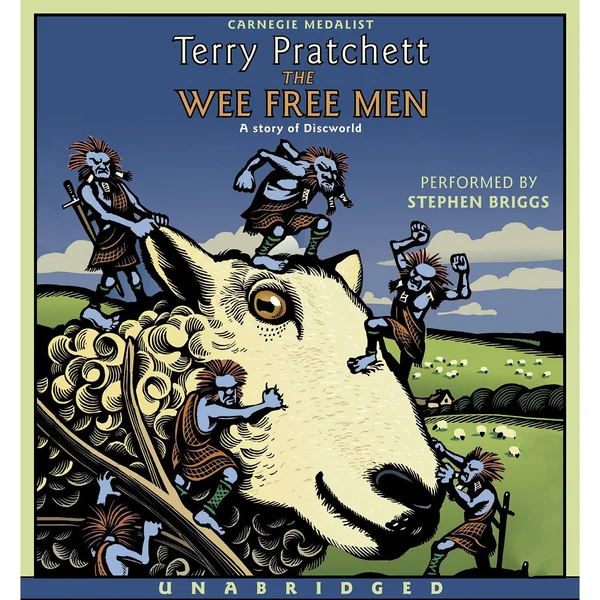
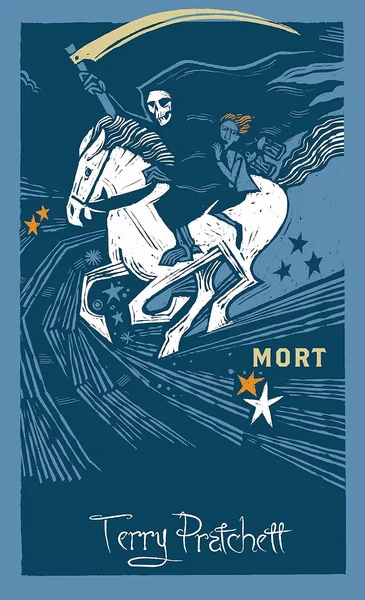

Brandon Sanderson
Brandon Winn Sanderson is an American author of high fantasy, science fiction, and young adult books.
1 book reviewed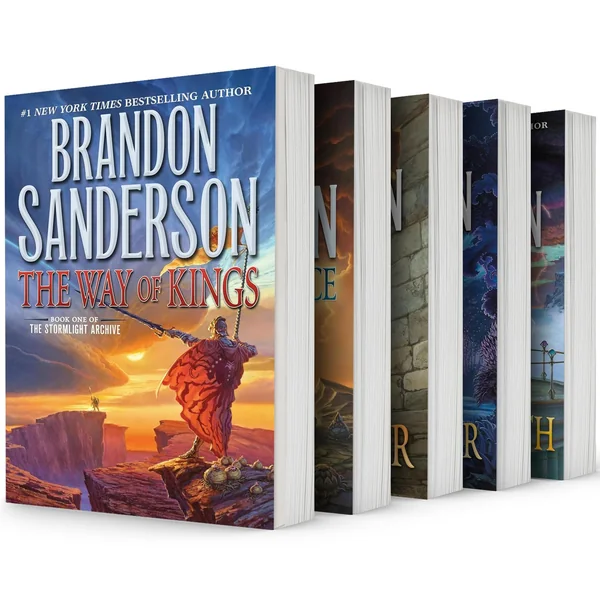

Rick Riordan
Rick Riordan is the author of "The Lightning Thief," the first book in the Percy Jackson and the Olympians series, which reimagines Greek mythology in a modern-day setting where the gods are real and their demigod children attend a hidden summer camp. The
2 books reviewed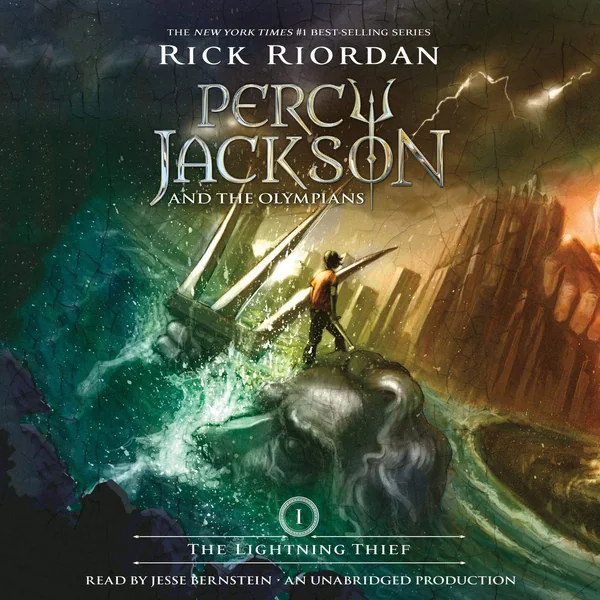


Tui T. Sutherland