Reading order

The Lord of the Rings Books in Order

by J.R.R. Tolkien

J.R.R. Tolkien's The Lord of the Rings series: 3 books. We've reviewed every one.

Read them in the order they were published

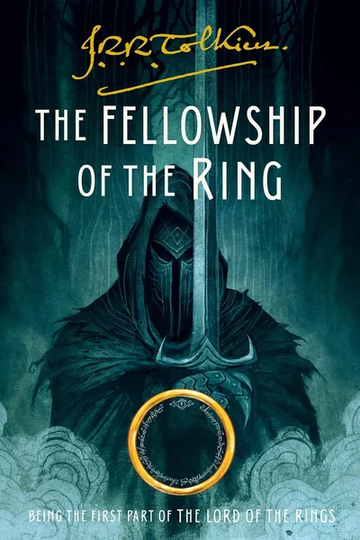
  1. 1Start here

    Young hobbit Frodo Baggins inherits a ring of immense power from his cousin Bilbo. Through the wizard Gandalf, Frodo learns it is the One Ring, forged by the Dark Lord Sauron to rule all others. Frodo leaves his home in the Shire and sets out with a company of companions on a dangerous quest to destroy the Ring in the fires of Mordor.

  2. 2
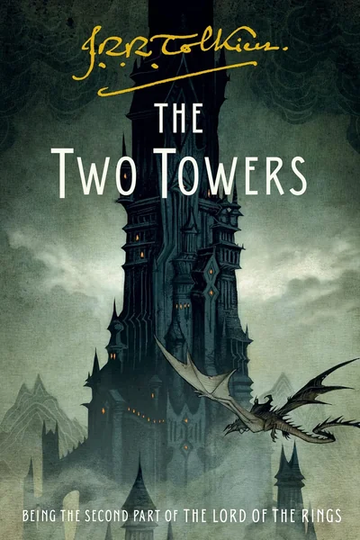
    The Two Towers by J.R.R. Tolkien book cover

    The Two Towers

    1954Reviewed

    Frodo and Sam journey east toward Mordor with the One Ring, shadowed by the creature Gollum. Aragorn, Legolas, and Gimli race across Rohan to rescue captured hobbits Merry and Pippin, forging an alliance with King Théoden as war looms.

  3. 3

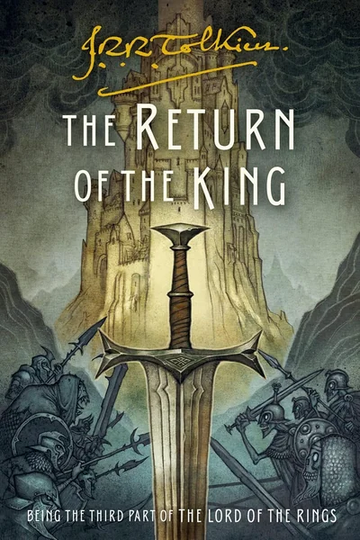
    The forces of the Dark Lord Sauron advance on Gondor's white city. Warriors gather for the Battle of the Pelennor Fields. Meanwhile, Frodo and Sam continue their journey into Mordor, seeking to cast the One Ring into Mount Doom. The book also includes the Scouring of the Shire.

About the series

What is The Lord of the Rings?

The Lord of the Rings is an epic high fantasy series by English author J.R.R. Tolkien, set in the fictional world of Middle-earth. The first volume, The Fellowship of the Ring, centers on hobbit Frodo Baggins, who inherits a powerful ring from his cousin Bilbo. Through the wizard Gandalf, Frodo discovers it is the One Ring, forged by the Dark Lord Sauron to dominate all other rings of power. Frodo departs his home in the Shire and joins a company of companions on a quest to destroy the Ring in the fires of Mordor.

The series spans three volumes, published between July 1954 and October 1955. Though often called a trilogy, Tolkien intended it as a single novel, released in three parts for economic reasons. The work is divided internally into six books with appendices containing chronologies and linguistic information. It has sold over 150 million copies and been translated into at least 38 languages. The series is considered one of the most influential fantasy works ever written and helped shape the modern fantasy genre.

Sources: Wikipedia (the series)

Our take

Is The Lord of the Rings worth reading?

Book by book, from our reviews. Ratings are Amazon readers' for the edition we link, so counts vary by printing.

Book 1

The Fellowship of the Ring

4.8 · 250 Amazon ratings (this edition)

Worth reading if you relish the slow, inhabited texture of a world built from the ground up — ancient languages, layered histories, and a carefully rhythmed alternation of peril and rest — and can commit to the two volumes that follow for full resolution.

Skip it if you need propulsive, plot-first pacing, because the extended hobbit dialogue, leisurely Shire chapters, and two long expository flashback sequences will feel like obstacles rather than pleasures.

Read our review →

Book 2

The Two Towers

4.8 · 109 Amazon ratings (this edition)

Worth reading if you are already invested in Middle-earth and ready to follow multiple narrative strands — Frodo and Sam's psychological journey with Gollum toward Mordor, and the operatic sweep of Helm's Deep and the Ents — across what many consider the most structurally ambitious volume of the trilogy.

Skip it if you haven't yet read The Fellowship of the Ring, since this is an explicit continuation of a single continuous story and offers no meaningful entry point for readers new to Tolkien.

Read our review →

Book 3

The Return of the King

4.7 · 90 Amazon ratings (this edition)

Worth reading if you value literary myth-making, thematic ambitions around sacrifice, friendship, and the corruption of power, and are willing to meet Tolkien's elevated, measured prose on its own terms rather than expecting the kinetic pace of contemporary epic fantasy.

Skip it if you are coming to Tolkien for the first time hoping for viscerally choreographed battle sequences or the propulsive momentum of modern genre fiction, as the prose style and pacing may feel dated compared to what contemporary fantasy has conditioned readers to expect.

Read our review →

About the author

J.R.R. Tolkien

Author page →
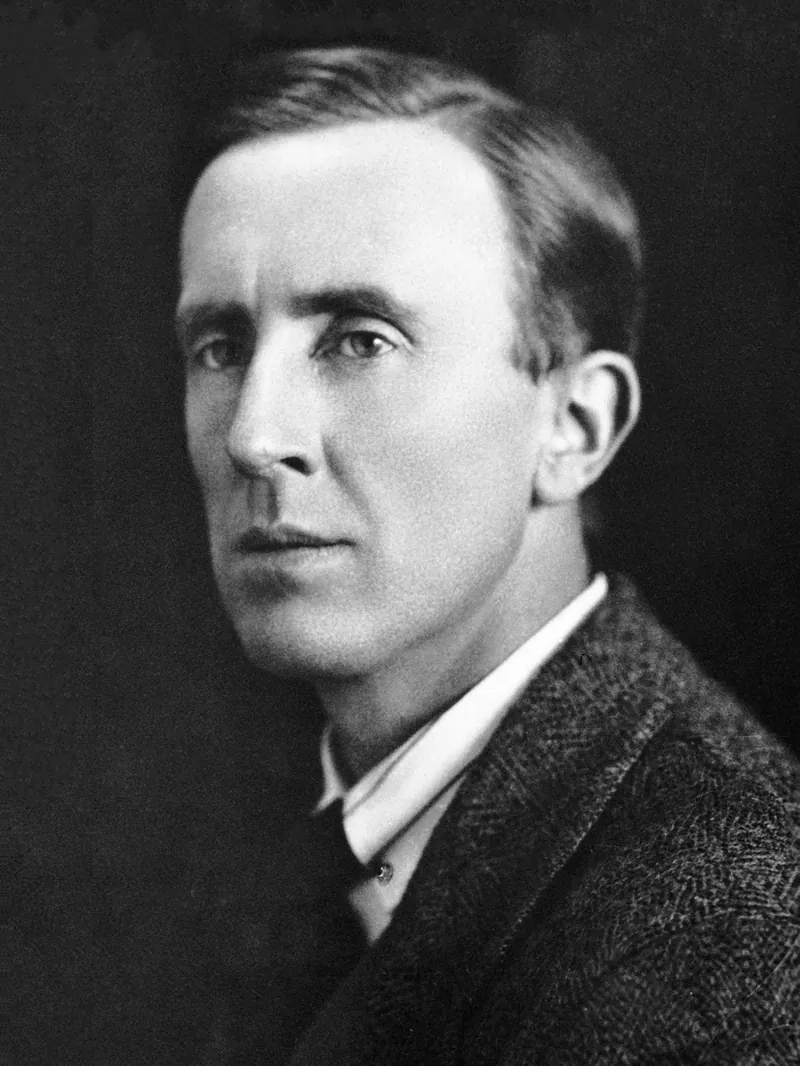
J.R.R. Tolkien, author

John Ronald Reuel Tolkien was an English writer and academic philologist. He was the author of the high fantasy works The Hobbit (1937) and The Lord of the Rings (1954–1955).

Also by J.R.R. Tolkien: The Hobbit

In J.R.R. Tolkien's own words

In this 1968 BBC interview, J.R.R. Tolkien reflects on themes in The Lord of the Rings, addresses allegorical interpretations, and demonstrates writing in Elvish.

Uploaded by BBC Global, 2024 · Watch on YouTube

Death as the core of storytelling

Tolkien explains that any enduring human story is fundamentally about death and its inevitability. He notes that reflections on the unnatural shock of mortality served as the key spring for The Lord of the Rings.

“human stories, practically always about one thing, aren't they? Death.”

Allegory versus application in fiction

Tolkien notes that readers frequently confuse allegory with applicability, citing how people mistakenly interpreted the Ring as an intentional allegory for the nuclear bomb.

“People do not fully understand the difference between an allegory and an application.”

The sensory experience of inventing languages

Tolkien recalls inventing languages since early adolescence, noting that each new language possesses an aesthetic flavor comparable to sampling fine wine or sweets.

“a new language to me is just like taking a new wine or some new sweetmeat”

Elvish was never fully finished

Tolkien rejects the impulse to turn invented tongues into spoken cults or conversational hobbies, admitting that Elvish is far too complex to have ever been fully completed.

“Elvish is too complicated, I've never finished making it.”

If you like this series

Books like The Lord of the Rings

Picked in our review of The Fellowship of the Ring: what to read next.

Questions

The Lord of the Rings: questions readers ask

How many books are in The Lord of the Rings series?

There are three Lord of the Rings books. The series is complete.

What order should I read The Lord of the Rings books in?

Start with The Fellowship of the Ring and read them in publication order: The Fellowship of the Ring (1954), The Two Towers (1954), The Return of the King (1955).

Is The Lord of the Rings one book or three?

One. Tolkien wrote it as a single novel; for economic reasons it was first published in three volumes between July 1954 and October 1955, as The Fellowship of the Ring, The Two Towers and The Return of the King. That is why none of the three stands on its own: read them in order, as one story.

Should I read The Hobbit first?

You don't have to. The Lord of the Rings began as a sequel to Tolkien's 1937 children's book The Hobbit, then grew into a much larger and darker work. Reading The Hobbit first gives you the story that leads into it; starting with The Fellowship of the Ring works too.

What is the first Lord of the Rings book?

The Fellowship of the Ring, published in 1954. Young hobbit Frodo Baggins inherits a ring of immense power from his cousin Bilbo. Through the wizard Gandalf, Frodo learns it is the One Ring, forged by the Dark Lord Sauron to rule all others. Frodo leaves his home in the Shire and sets out with a company of companions on a dangerous quest to destroy the Ring in the fires of Mordor.

Is The Lord of the Rings series finished?

Yes. The Return of the King (1955) is the final book.

Has LuvemBooks reviewed The Lord of the Rings books?

Yes, all three: The Fellowship of the Ring, The Two Towers, The Return of the King.

Looking for J.R.R. Tolkien's other books? See every series and standalone.