
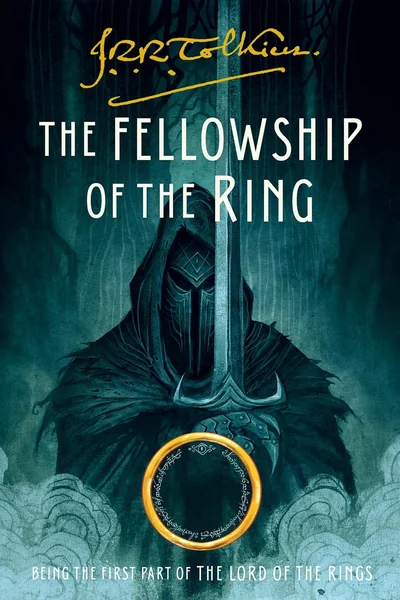
The Fellowship of the Ring: Being the First Part of The Lord of the Rings
A young Hobbit named Frodo Baggins inherits a powerful and dangerous ring and sets out on a perilous quest across Middle-earth with a fellowship of companions.
Read our full reviewAt a glance
LuvemBooks Verdict
Best for: Readers aged twelve and up who are ready to immerse themselves in a richly constructed secondary world and want to understand the foundational text of modern high fantasy on its own leisurely, lore-dense terms.
Worth it? Skip it? Read the full verdict →Ask LuvemBooks
Was this helpful?
- Is it worth reading?
- For readers willing to meet it on its own terms, The Fellowship of the Ring remains the gateway to one of the most elaborately realized fictional universes ever constructed. On publication it was praised by contemporaries including the poet W. H. Auden and the novelist Naomi Mitchison, and it has since become one of the most widely read and discussed novels in the English language. Its two landmark chapters — 'The Shadow of the Past' and 'The Council of Elrond' — have been singled out by scholars for their expository ambition and cultural scope. The key caveat is pacing: readers who prize propulsive momentum will find stretches where the plot yields to world-building, lore, and conversation.
- Similar books
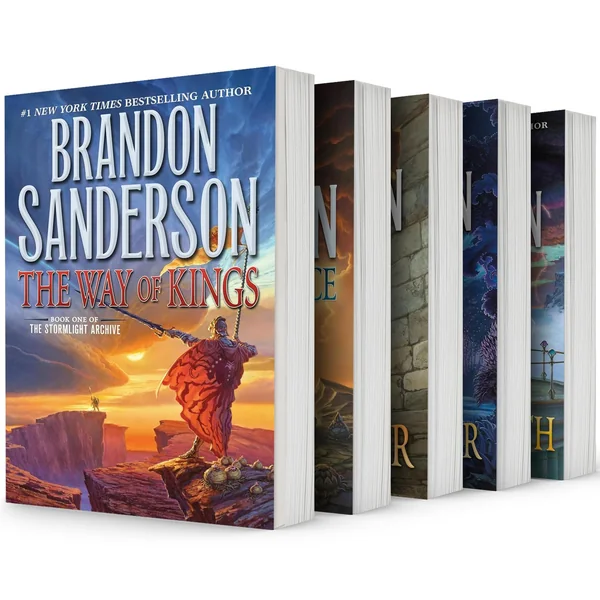
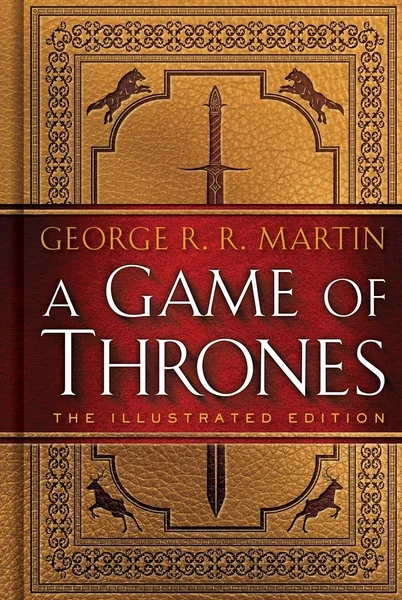
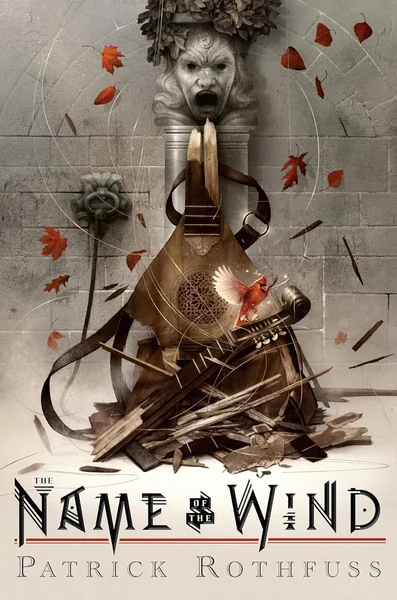
- Readers drawn to The Fellowship of the Ring's epic scope and immersive world-building will find much to explore in the curated titles below. Brandon Sanderson's Stormlight Archive series (beginning with The Way of Kings) offers comparable ambition in scale, intricate magic systems, and multi-volume commitment. George R. R. Martin's A Game of Thrones shares the high-fantasy political complexity, though with a notably darker and more morally ambiguous tone. Patrick Rothfuss's The Name of the Wind appeals to readers who love a deeply literate narrator constructing an elaborate mythology. V.E. Schwab's The Invisible Life of Addie LaRue is a more contemporary pick for readers who love richly imagined worlds with a strong sense of history and consequence.
- Who should read this?
- The Fellowship of the Ring is essential reading for anyone seriously interested in the fantasy genre — it established the template for modern high fantasy and remains a defining influence on virtually every major work in the field since. It is particularly suited to readers who relish immersive world-building, invented languages, deep mythological history, and a deliberate narrative rhythm that alternates danger with recuperation. Readers arriving from the Peter Jackson film adaptations should be prepared for a significantly slower, more discursive experience. Those who prize propulsive pacing above all else may find the early Shire chapters and the long expository sequences in 'The Shadow of the Past' and 'The Council of Elrond' demanding.
- What age is it for?
- Best for ages 12 and up. The review recommends the book for readers aged twelve and above, reflecting the real demands the text places on younger or less experienced readers: extended dialogue, dense expository chapters like 'The Council of Elrond,' and a narrative that assumes patience with world-building over plot momentum. The content itself — a quest adventure with danger and dark forces — is suitable for confident middle-grade readers, but the reading-level demands make twelve a sensible floor.
- About J.R.R. Tolkien
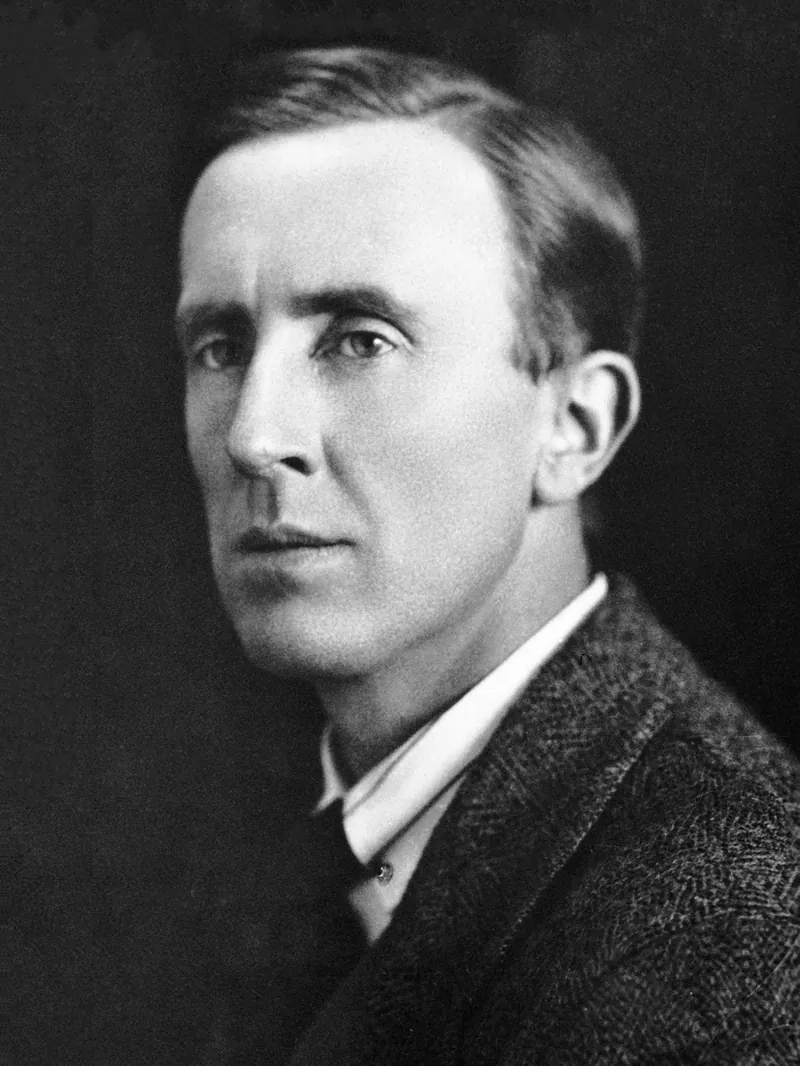
- John Ronald Reuel Tolkien was an English writer and academic philologist.
- Tell me about the adaptation
- Peter Jackson directed a celebrated film adaptation of The Lord of the Rings trilogy, with The Fellowship of the Ring released in 2001. The film condensed and dramatized Tolkien's material considerably, and readers arriving from the films should be prepared for a significantly slower, more discursive experience in the book — extended hobbit dialogue, leisurely early chapters, and the long expository sequences of 'The Shadow of the Past' and 'The Council of Elrond' have no real equivalent in the film's pacing. The films are widely regarded as a landmark of epic fantasy cinema, but they convey a different rhythm and texture from the source novel.
- What are the main themes?
- The Fellowship of the Ring is built around themes of burden, friendship, and the corrupting potential of power — the One Ring is an object that cannot be used safely, only destroyed. Tolkien's mythological ambition, drawing on Old English, Norse, and Finnish literary traditions, layers the narrative with questions of mortality, courage, and the weight of history. The tension between the safe, familiar world of the Shire and the ancient, dangerous world beyond its borders gives the volume a recurring emotional shape: the cost of leaving comfort behind in service of a larger necessity. 'The Council of Elrond,' which scholars describe as a collision of the modern and the ancient, explicitly dramatizes how different peoples and histories must reckon with a shared threat.
Summarize this book
Follow up
Synthesized from verified book data & published reviews · How we review
Press Enter to ask. Answers come from our editorial Q&A — start typing to see related questions.
Age & Reading Level
Recommended age
Ages 12–18
Reading level
Young adult
2 content notes · who it suits
Content to know about
Best for: Ages 12+ — extended expository chapters, dense mythological history, and a demanding reading level suit confident older readers
Skip if you want a fast-paced, plot-driven adventure with minimal world-building detours
Books like The Fellowship of the Ring
Curated picks for readers who enjoyed The Fellowship of the Ring, with our reasoning for each match.
If you liked The Fellowship of the Ring
Why It’s Trending
Lord of the Rings TV Series in the Works, Plus Fellowship Film Back on Streaming
Big news is circling Middle-earth again: Amazon Studios and Warner Bros. are developing a multi-season TV series set in Tolkien's world, and Peter Jackson's original Fellowship of the Ring film just had a strong run on PVOD. It's a great time to revisit — or discover — the book that started it all.