8 min read
4.7
· 90 Amazon ratingsShare This Review

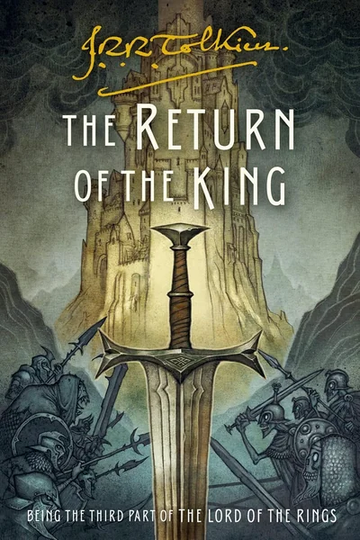
The Return of the King
The Return of the King by J.R.R. Tolkien Review: A Towering Conclusion to Middle-earth
The Return of the King is the third and final volume of J.R.R. Tolkien's The Lord of the Rings, first published in 1955, completing one of the most influential works in the history of fantasy literature — and this edition includes the complete appendices and index that give the world of Middle-earth its extraordinary depth.
LuvemBooks Verdict
Best for
Readers who have already journeyed through The Fellowship of the Ring and The Two Towers and are ready to engage with the full thematic and mythological scope of Tolkien's conclusion — including those drawn to the academic and linguistic depth offered by the complete appendices.
Worth it if
Worth reading if you value literary myth-making, thematic ambitions around sacrifice, friendship, and the corruption of power, and are willing to meet Tolkien's elevated, measured prose on its own terms rather than expecting the kinetic pace of contemporary epic fantasy.
Skip if
Skip it if you are coming to Tolkien for the first time hoping for viscerally choreographed battle sequences or the propulsive momentum of modern genre fiction, as the prose style and pacing may feel dated compared to what contemporary fantasy has conditioned readers to expect.
What readers & critics say
Wikipedia's entry on the novel records that the volume was praised by literary figures including W. H. Auden, Anthony Price, and Michael Straight, while noting that "The Scouring of the Shire" has been called the most important chapter in the whole novel by scholars and critics. Novel Notions, writing from a reader-reviewer perspective, calls it "a classic and wonderful conclusion to Tolkien's legendary series" while candidly noting that the battle sequences — including the Battle of the Pelennor Fields — may not match the visceral detail found in newer fantasy novels.
Sources: Wikipedia, Novel NotionsThe Lord of the Rings reading order
Book 3 of 3 books
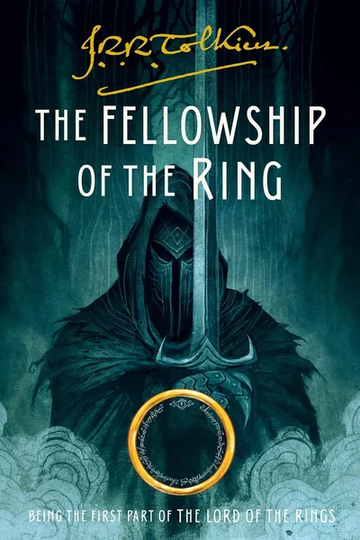
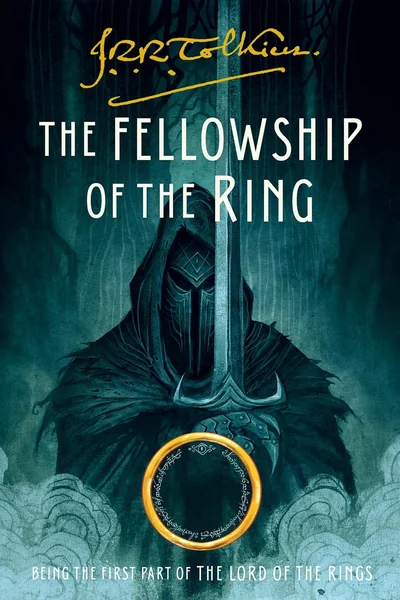
- The Fellowship of the Ring1954
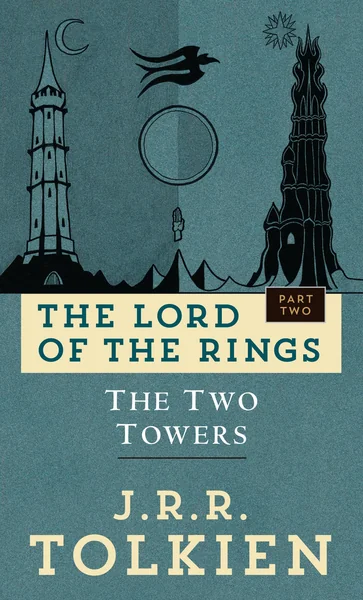
- The Two Towers1954
- The Return of the KingThis book
Ask LuvemBooks
Was this helpful?
- Is it worth reading?
- For readers who have made it through The Fellowship of the Ring and The Two Towers, The Return of the King delivers full realisation of the stakes built across the trilogy, with thematic weight around sacrifice, friendship, and the corruption of power that accumulates full force in this concluding volume. The novel has generated unusually rich academic scholarship — from Tom Shippey's mythological analysis to Mary R. Bowman's peer-reviewed narrative theory — reflecting a work that rewards analysis far beyond its surface pleasures as adventure fiction. The honest caveat, as the critical record notes, is that Tolkien's elevated, myth-inflected prose and measured pacing can feel dated to readers shaped by contemporary epic fantasy, and the battle sequences may disappoint those expecting the visceral choreography of modern genre writing. Those willing to meet the text on its own terms will find, as Novel Notions concluded despite its reservations, that 'Tolkien certainly earned his fame.'
- Similar books
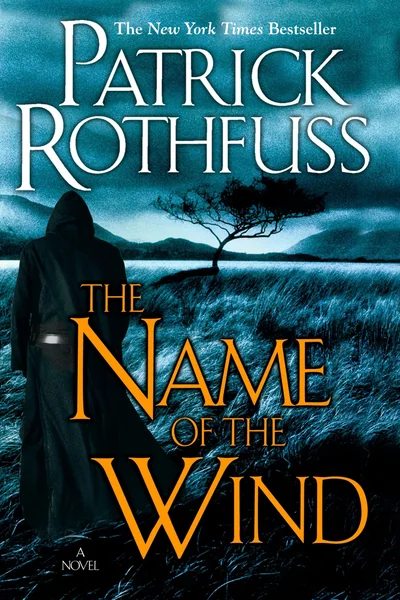
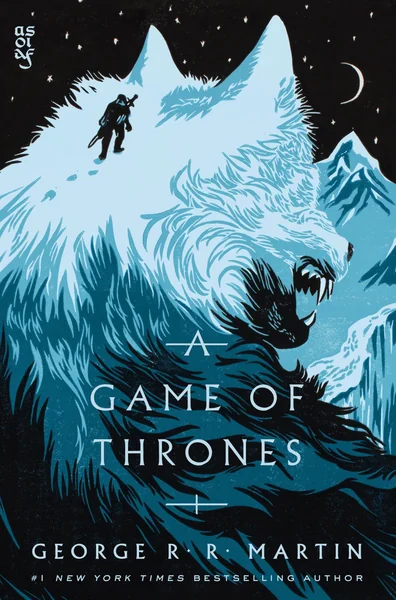
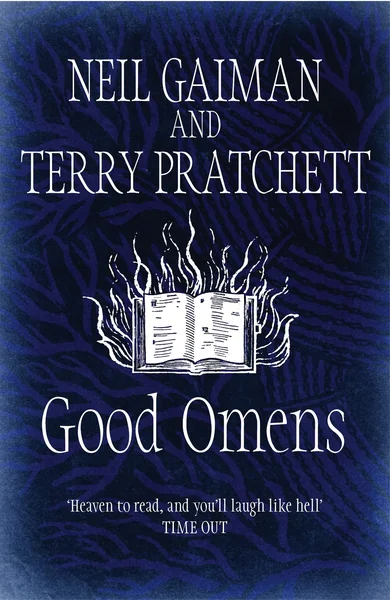
- Readers who love The Return of the King will find natural companions in the earlier volumes of the same trilogy: LuvemBooks has reviewed The Fellowship of the Ring and The Two Towers, both essential context for the concluding volume. For epic fantasy with similarly ambitious world-building and moral complexity, George R. R. Martin's A Storm of Swords and A Game of Thrones: The Illustrated Edition offer a grittier but thematically rich alternative, while Patrick Rothfuss's The Name of the Wind brings a different kind of literary ambition to the genre. Brandon Sanderson's The Stormlight Archive is also frequently cited alongside Tolkien for its scope, and Terry Pratchett and Neil Gaiman's Good Omens offers a lighter, but similarly beloved, fantasy classic.
- Who should read this?
- The Return of the King is designed for readers ready to engage with the full sweep of Tolkien's vision — from the military drama of Gondor and Mordor to the quiet, bruised homecoming of the Shire. It is particularly rewarding for those who have already moved through The Fellowship of the Ring and The Two Towers, and for readers drawn to the philosophical, linguistic, and narrative scholarship that has grown around Tolkien's work. Readers seeking a lightning-paced, action-forward fantasy conclusion may need to adjust expectations, as Tolkien's elevated prose and measured pacing reflect literary myth-making rather than contemporary genre momentum. The review edition is recommended for readers aged twelve and up.
- What age is it for?
- Best for readers aged 12 and up. The Return of the King features large-scale warfare, themes of death and sacrifice, and Tolkien's elevated, myth-inflected prose — all of which suit confident readers with some experience of literary fiction. The thematic complexity around power and corruption, and the emotional weight of the novel's conclusion, are best appreciated by readers who have also engaged with the earlier volumes.
- About J.R.R. Tolkien
- John Ronald Reuel Tolkien was an English writer and academic philologist.
- Tell me about the adaptation
- The Return of the King served as the inspiration for Peter Jackson's film of the same name, the concluding chapter of his celebrated Lord of the Rings film trilogy. More recently, Tolkien's wider legendarium — of which The Lord of the Rings is the central work — has been cited as background context for the Amazon Prime Video series The Rings of Power. Peter Jackson's film trilogy is widely regarded as a landmark in fantasy filmmaking, though as with any adaptation, the film's kinetic visual approach differs substantially from Tolkien's myth-inflected, deliberately paced prose.
- How has it been received by scholars?
- The scholarly conversation around The Return of the King is unusually rich for a work of fantasy fiction. Tom Shippey's The Road to Middle-earth traces how Tolkien synthesised Old English, Norse, and Finnish sources into a new mythology; Mary R. Bowman's 2006 essay in the Journal of the Fantastic in the Arts examines the novel's narrative theory; and Wayne G. Hammond and Christina Scull's The J.R.R. Tolkien Companion and Guide documents the compositional history in detail. Academic David M. Waito's 2010 study argued that the 'Scouring of the Shire' functions as a key narrative and thematic focus for the entire trilogy. This breadth of serious academic attention, spanning decades, reflects a work that rewards analysis far beyond its surface pleasures as adventure fiction.
- How does it compare to the earlier volumes?
- The Return of the King brings the full thematic weight of the trilogy to bear in a way the earlier volumes necessarily defer — sacrifice, friendship, and the corruption of power accumulate their full force only in this concluding instalment. The 'Scouring of the Shire' in particular has been identified by scholars as a thematic capstone that reframes the entire trilogy, giving the novel an earned resonance rarely matched in epic fantasy. Readers who have moved through The Fellowship of the Ring and The Two Towers will find the stakes fully realised here, though the same honest caveats about Tolkien's elevated prose and measured pacing apply throughout all three volumes.
Summarize this book
Follow up
Synthesized from verified book data & published reviews · How we review
What would you like to know about The Return of the King?
Answers come from our editorial notes on this book. If we haven't covered something, we'll say so.
Readers often ask
Our Review
This review covers the book's content, premise and published critical reception, not a first-hand reading.
What the Book Contains and How It Is Structured
Its Place in the Genre and Why It Still Matters
Strengths: Thematic Depth and World-Building

Genuine Limitations: Prose Style and Pacing
Who This Book Is For
Sources & Further Reading
The key facts and claims in this review are grounded in the retrieved, verified sources listed below.
- Cited in this review
- 1
- Further reading
- 2
J.R.R. Tolkien, Wikipedia
Age & Reading Level
Recommended age
Ages 12–18
Reading level
Young adult
Tropes
From how readers and romance sites describe it, not our own reading.
3 content notes · who it suits
Content to know about
Best for: Ages 12+ — elevated, myth-inflected prose and complex themes of sacrifice and corrupting power suit confident readers with some prior experience of literary fiction.
Skip if you want fast-paced, viscerally choreographed action in the style of contemporary epic fantasy.
Reader reviews
Be one of the first readers to answer.
Read it? Was it right for you?
Books like The Return of the King
Curated picks for readers who enjoyed The Return of the King, with our reasoning for each match.
If you liked The Return of the King