
8 min read
4.6
· 37,836 Amazon ratingsShare This Review

Our review
Good Omens
Good Omens by Terry Pratchett & Neil Gaiman Review: A Beloved Comic Apocalypse That Endures
Good Omens: The Nice and Accurate Prophecies of Agnes Nutter, Witch is a 1990 comedy novel by Terry Pratchett and Neil Gaiman, following the angel Aziraphale and demon Crowley as they scramble to prevent the Apocalypse — only to find the Antichrist has been misplaced at birth. It remains one of the most warmly regarded satirical novels in the English language, listed at number 68 on the BBC's Big Read survey in 2003.
LuvemBooks Verdict
Best for
Readers who enjoy anarchic, warmhearted comic fiction and want a satirical take on religion, environmentalism, and human nature wrapped inside an apocalyptic buddy-comedy featuring one of fiction's most distinctive odd-couple partnerships.
Worth it if
Worth reading if you want a comedy that operates on multiple registers at once — genuinely funny, surprisingly hopeful, and laced with real anger about the world — and don't mind a sprawling, freewheeling plot that prioritises wit and warmth over tight narrative control.
Skip if
Skip it if you come expecting the sustained world-building of Pratchett's Discworld or the mythological weight of Gaiman's solo novels, or if a large, multi-threaded ensemble cast with a deliberately loose structure is likely to frustrate rather than delight you.
What readers & critics say
The Guardian called it probably the best possible "light relief," concluding there is "probably never a bad time to read Good Omens," while acknowledging candidly that the novel "may well have flaws" in its writing and plotting. Riteoffancy.com captured the tonal balance well, describing it as "a hilarious satire and a surprisingly hopeful story about free will, friendship, morality, and the possibility that people are shaped as much by love and companionship as by destiny."
“There's probably never a bad time to read Good Omens — retreating into Armageddon as imagined by Pratchett and Gaiman is the best possible definition of light relief.”
— The GuardianAsk LuvemBooks
Was this helpful?
- Is it worth reading?
- Good Omens is one of the most warmly regarded satirical novels in the English language, and the Guardian concluded there is 'probably never a bad time to read' it. The partnership between Pratchett and Gaiman produces a voice entirely distinct from either author working alone — anarchic, warm, and persistently funny — and the novel's satire operates on multiple registers simultaneously, skewering religion, environmentalism, and modern inconvenience with equal irreverence and real wit. Its 2003 placement at number 68 on the BBC's Big Read public survey confirms its enduring hold on readers across decades. The main caveat is structural: the multi-threaded plot is sprawling by design, and readers who prefer tight narrative control may find the construction loose.
- Similar books
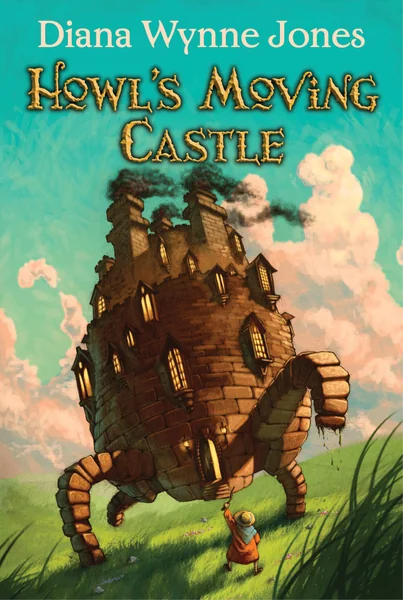
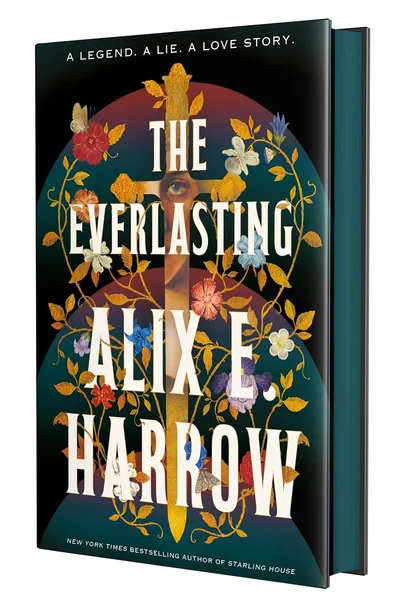
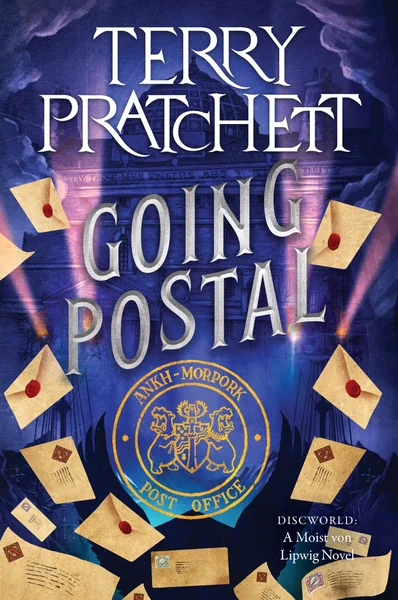
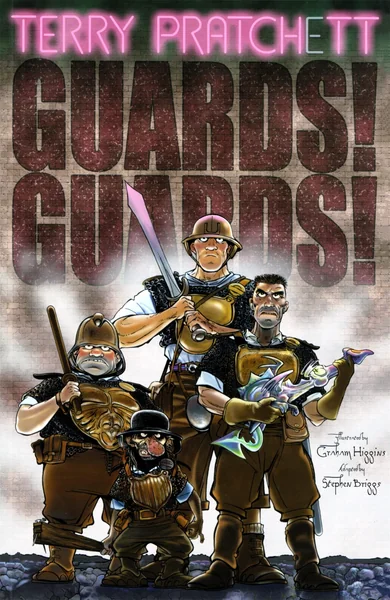
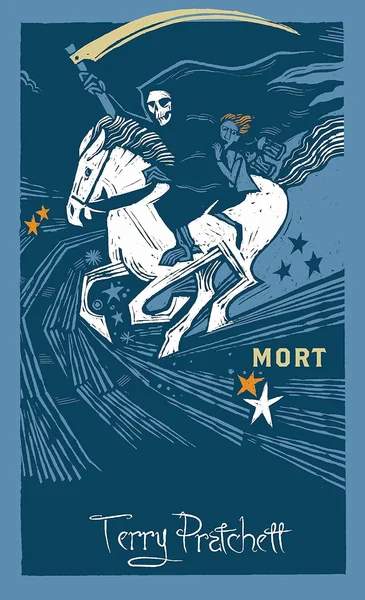
- Readers who love Good Omens tend to find a natural home in Terry Pratchett's solo Discworld novels: Guards! Guards! and Mort both showcase Pratchett's signature blend of comic absurdism and genuine heart, while Going Postal: A Novel of Discworld adds a con-artist protagonist to the Discworld mix. For fantasy with a similar whimsical warmth, Diana Wynne Jones's Howl's Moving Castle is a classic companion read. Those drawn to the novel's cosmic, immortal-friendship dimension may also enjoy V.E. Schwab's The Invisible Life of Addie LaRue, and Alix E. Harrow's The Everlasting offers another literary fantasy with a philosophical core.
- Who should read this?
- Good Omens is best suited to adult readers with an appetite for satirical comedy that works on multiple levels simultaneously — those who enjoy humour rooted in genuine irritation and ideas rather than pure whimsy. Fans of either Pratchett or Gaiman are an obvious audience, but the review is clear that the collaborative voice is genuinely distinct from either author's solo work, so it rewards readers open to something 'stranger and more freewheeling.' Readers who come primarily for tight plotting or immersive world-building may find the sprawling, multi-threaded structure frustrating. Those who appreciate comedy underpinned by real themes — free will, the nature of good and evil, environmentalism, the absurdities of organised religion — will find the novel particularly rewarding.
- Tell me about the adaptation
- Good Omens was adapted into a major Amazon Prime television series starring David Tennant as Crowley and Michael Sheen as Aziraphale, bringing the central odd-couple partnership to a global audience. Before the television adaptation, the novel had also been adapted for BBC Radio 4 and performed on stage. Terry Pratchett died in 2015, and Neil Gaiman has noted that the two had outlined plots for a sequel; the television series has carried those characters forward and expanded their world beyond the scope of the original novel.
- What are the deeper themes?
- Beneath the comedy, Good Omens engages seriously with free will, the nature of good and evil, and the possibility that people are shaped as much by love and companionship as by destiny. The Guardian observed that the novel contains 'burning anger' — real fury about environmental desecration and the absurdities of organised religion — alongside genuine affection for humanity. The Antichrist raised as an ordinary boy, formed by kindness rather than darkness, is the novel's central argument: that identity and morality are not predetermined. Riteoffancy.com captured this as 'a hilarious satire and a surprisingly hopeful story about free will, friendship, morality, and the possibility that people are shaped as much by love and companionship as by destiny.'
- How does it compare to each author's solo work?
- The review is explicit that Good Omens produces a voice distinct from either Pratchett or Gaiman working alone. Readers expecting the sustained world-building of Pratchett's Discworld series will find the construction looser and more anarchic; readers expecting the mythological gravity of Gaiman's solo novels will find the tone far more overtly comic and freewheeling. The collaboration is 'anarchic, warm, and persistently funny' in a way that belongs entirely to itself — which is, for many readers, the entire point.
Summarize this book
Follow up
Synthesized from verified book data & published reviews · How we review
What would you like to know about Good Omens?
Answers come from our editorial notes on this book. If we haven't covered something, we'll say so.
Readers often ask
Our Review
This review covers the book's content, premise and published critical reception, not a first-hand reading.
What the Novel Actually Is
The Odd Couple at Its Heart
Satirical Ambition and Layered Comedy
Cultural Standing and Legacy
Genuine Limitations Worth Noting
Sources & Further Reading
The key facts and claims in this review are grounded in the retrieved, verified sources listed below.
- Cited in this review
- 1
audible.com
- 2
openlibrary.org
- 3
en.wikipedia.org
- Further reading
- 4
- 5
discworldemporium.com
- 6
- 7
fantasy-hive.co.uk
- 8
fineprintblog.com
- 9
thecatalystnews.com
- 10
- 11
righterofwords.com
- 12
Age & Reading Level
Recommended age
Adult
Heat level
No sex scenes · no sexual content
Tropes
From how readers and romance sites describe it, not our own reading.
who it suits
Skip if you want tight, architecturally controlled plotting or the sustained world-building of Pratchett's Discworld or the mythological gravity of Gaiman's solo novels.
Reader reviews
Be one of the first readers to answer.
Read it? Was it right for you?
Books like Good Omens
Curated picks for readers who enjoyed Good Omens, with our reasoning for each match.
More by Terry Pratchett
If you liked Good Omens