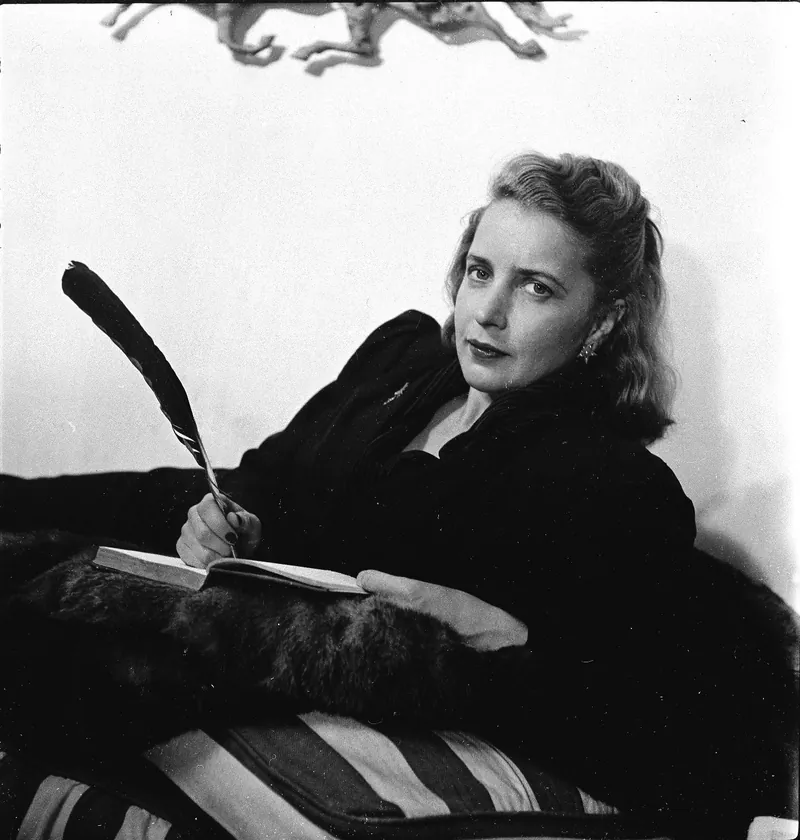
Margaret Wise Brown
1
Books ReviewedAsk LuvemBooks about Margaret Wise Brown
- Where should I start?
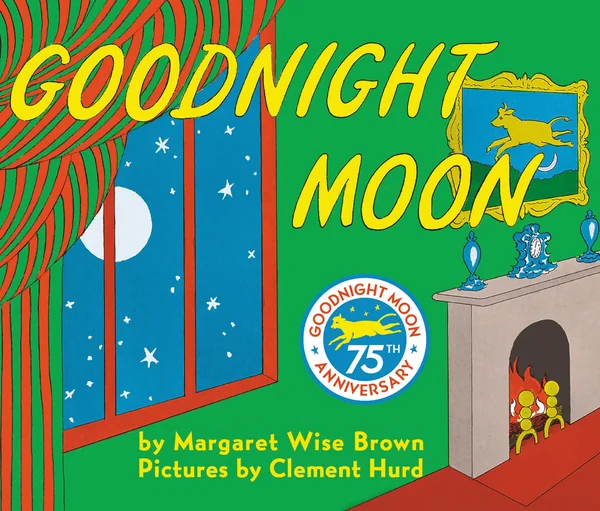
- Goodnight Moon is the natural starting point, and not just by default — it is the book that most clearly demonstrates Brown's method of using repetition and a slowing pace to ease a child toward sleep, making it genuinely useful as well as enjoyable. Its Amazon reader rating of 4.9 out of 5 from more than 31,000 ratings suggests it continues to deliver for new readers of every generation. If it resonates, The Runaway Bunny, her other collaboration with illustrator Clement Hurd, is the obvious next step.
- What's their writing style?
- Brown wrote in a deliberately stripped-down, rhythmic prose that prioritises sound and repetition over plot — her sentences are short, her vocabulary is simple, and the cumulative effect is closer to a lullaby than a story in the traditional sense. In Goodnight Moon, for instance, the act of naming objects in a room functions as a kind of meditation, gradually quieting both the child character and the child listening. This approach was influenced by her training under Lucy Sprague Mitchell at the Bank Street School, which emphasised language that matched how young children actually experience the world.
- Books we've reviewed
- LuvemBooks has reviewed one Margaret Wise Brown title so far: Goodnight Moon, her iconic 1947 bedtime book that uses gentle repetition and a softening pace to guide a child toward sleep — it holds an Amazon reader rating of 4.9 out of 5 from over 31,000 ratings.
- What genre do they write?
- Margaret Wise Brown wrote children's picture books, specifically the kind aimed at the very youngest readers — toddlers and preschoolers, and even infants. Her books are not adventure stories or concept books in the traditional sense; they sit closer to the category of bedtime and comfort books, using language rhythmically rather than narratively. Goodnight Moon is the clearest example of this, functioning more as a sleep ritual than a conventional story.
- What should I read after Goodnight Moon?
- The Runaway Bunny (1942) is the most direct follow-on — also illustrated by Clement Hurd, it shares Goodnight Moon's warmth and simplicity but adds a gentle back-and-forth between a young bunny and his mother that explores themes of independence and unconditional love. Beyond Brown's own work, parents who love the quiet, rhythmic quality of Goodnight Moon often find similar satisfaction in Maurice Sendak's In the Night Kitchen or Sandra Boynton's bedtime titles.
Who is Margaret Wise Brown?
Follow up
Synthesized from verified book data & published reviews · How we review
Press Enter to ask. Answers come from our editorial Q&A — start typing to see related questions.
Authors Like Margaret Wise Brown
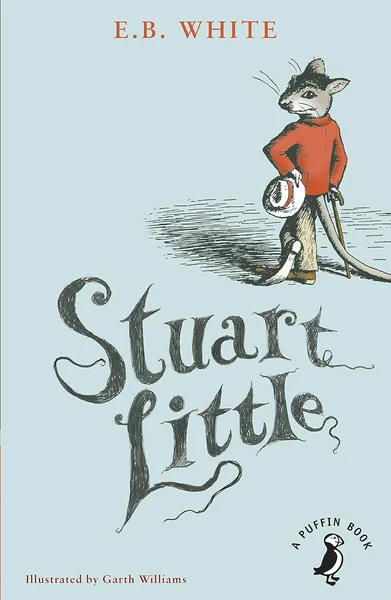
E. B. White
Born Elwyn Brooks White in 1899, this masterful American writer carved out a unique literary legacy that bridged the sophisticated world of *The New Yorker* magazine and the enchanting realm of children's literature.
2 books reviewed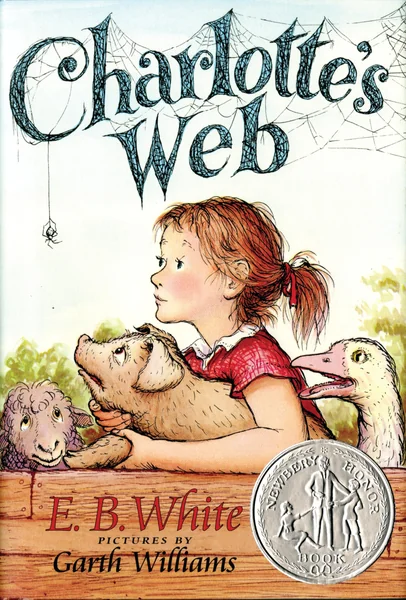

Eric Carle
Eric Carle was an American author, designer and illustrator of children's books.
1 book reviewed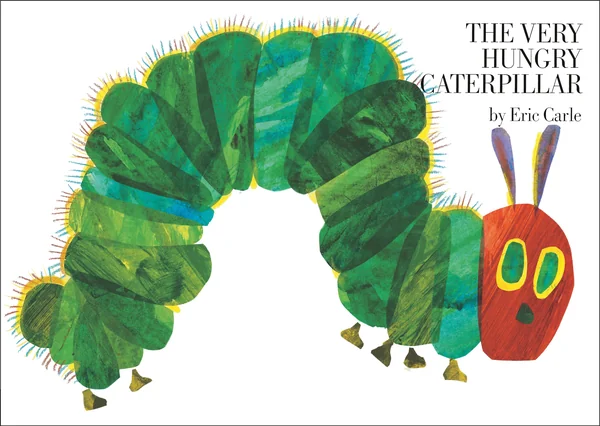
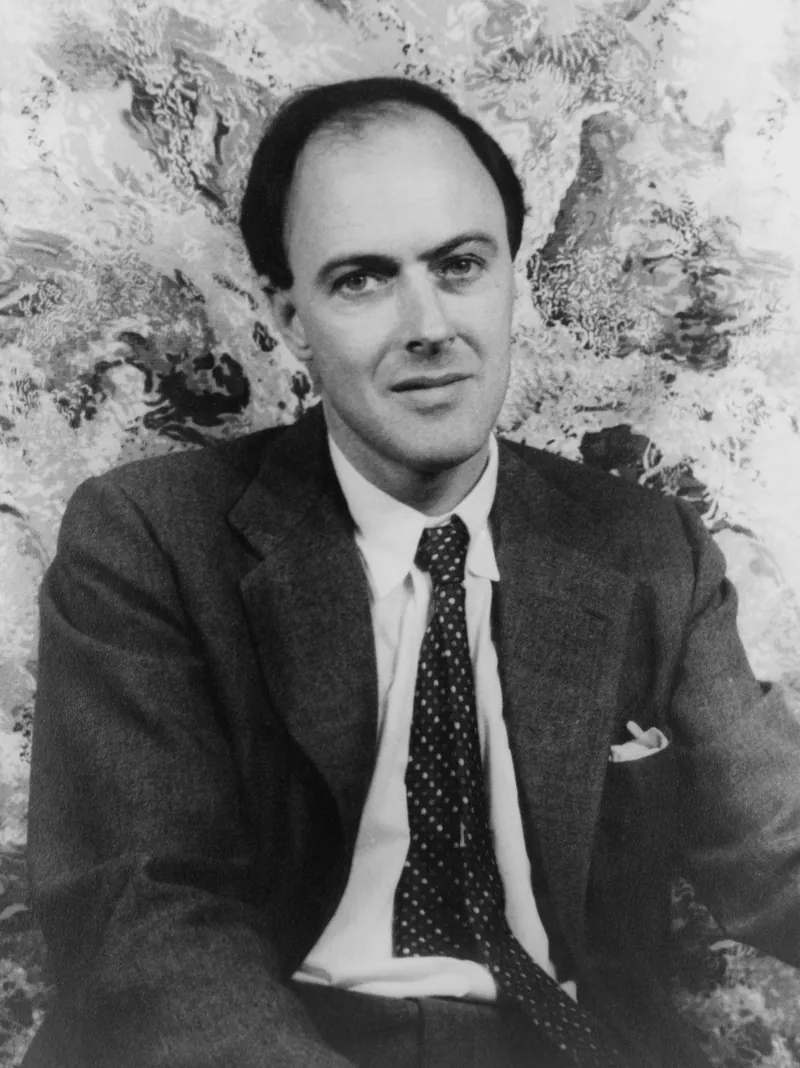
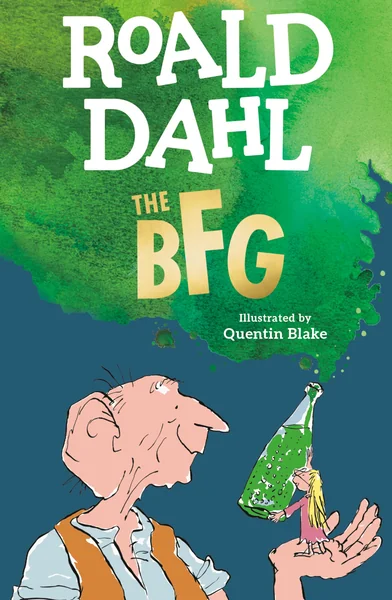
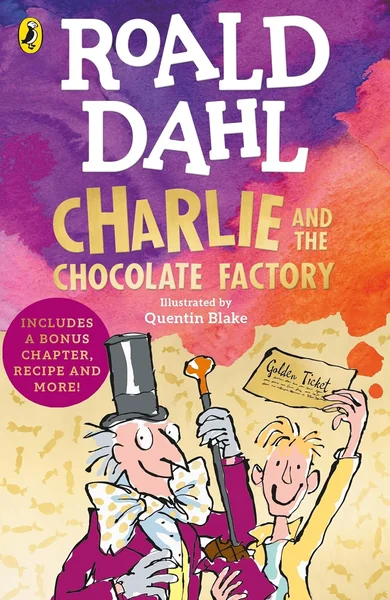
Roald Dahl
Roald Dahl was a British author of popular children's literature and short stories, a poet, screenwriter and a wartime fighter ace.
3 books reviewed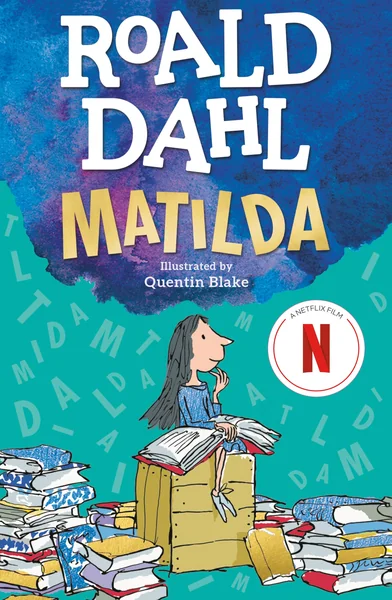
Katherine Paterson
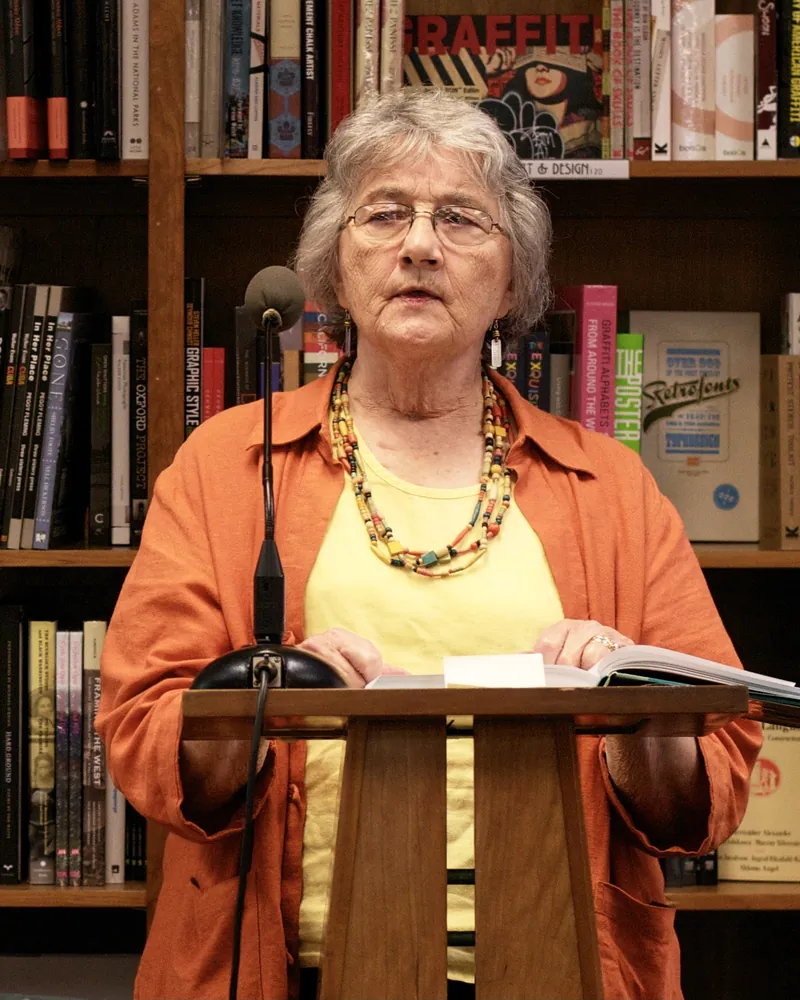
Katherine Paterson is an American writer best known for children's novels, including Bridge to Terabithia (1977), which won the Newbery Medal in 1978.
1 book reviewed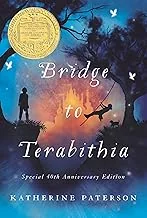
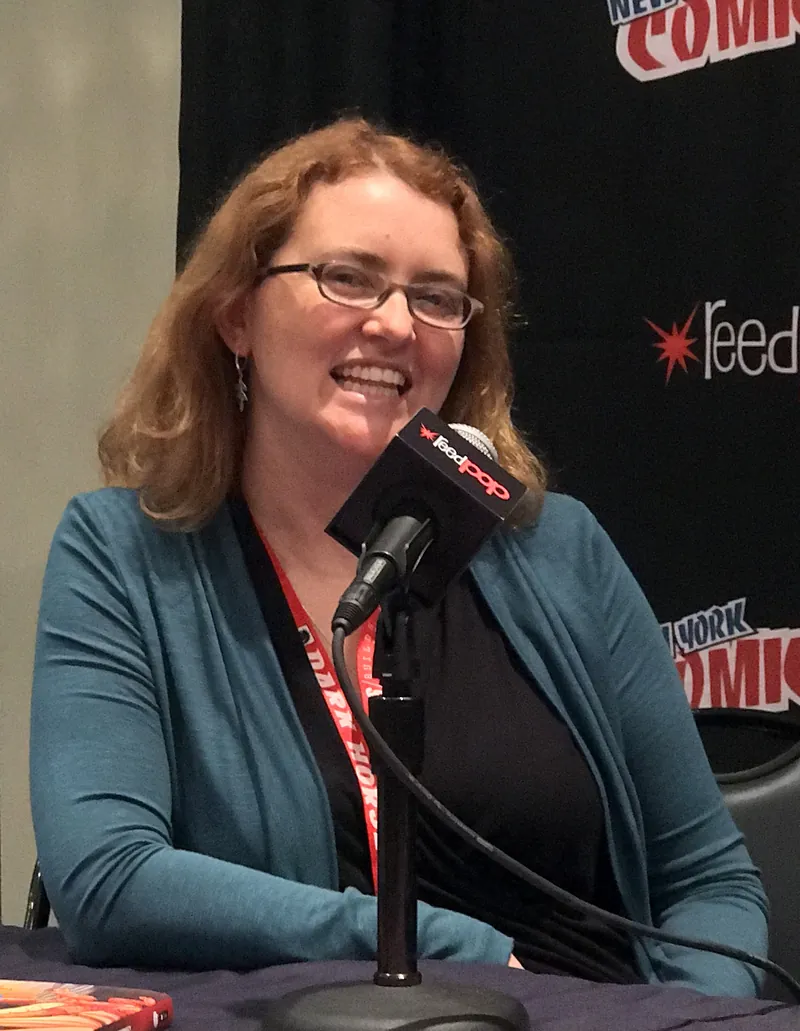
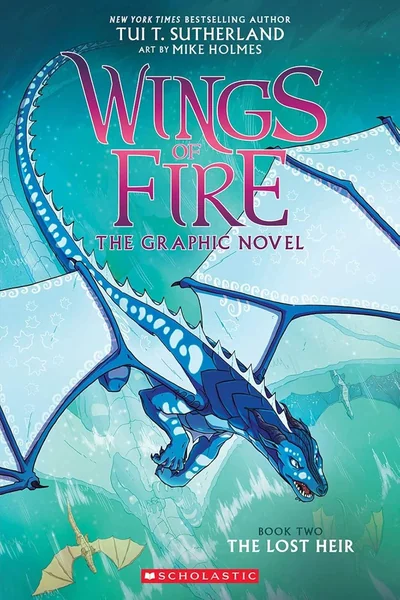
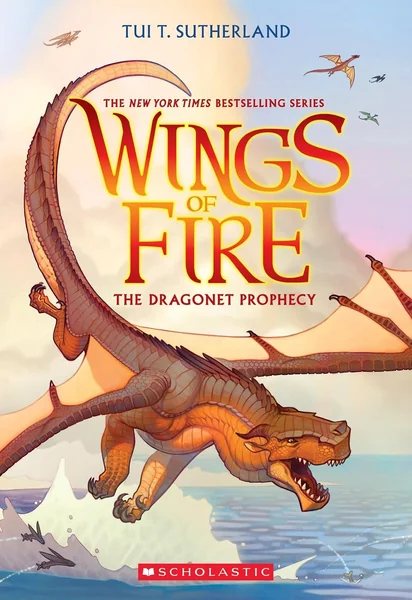
Tui T. Sutherland
Tui Tamara Sutherland is an American children's book author who has written more than 60 books under her own name and under several pen names.
3 books reviewed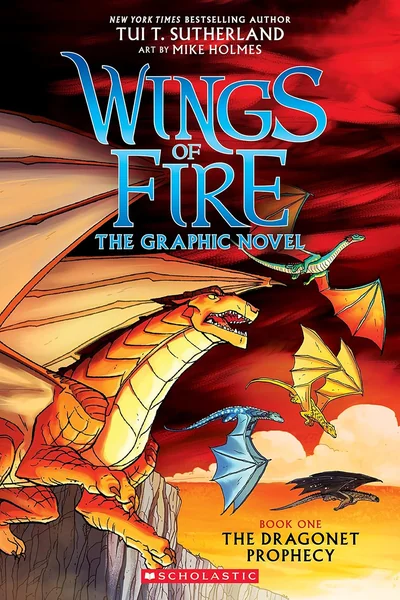
Katherine Rundell
Katherine Rundell is an English author and academic.
1 book reviewed