
At a glance
About the Author
Aesop1 book reviewed
Aesop's Fables
The Classic Edition
by Aesop
LuvemBooks Verdict
Best for: Families with children aged 4–8 who want a visually sumptuous, heirloom-quality hardcover introduction to Aesop's most beloved fables — particularly those buying it as a gift or a keepsake read-aloud edition.
Worth it? Skip it? Read the full verdict →Ask LuvemBooks
Was this helpful?
- Is it worth reading?
- For families seeking a visually distinguished, heirloom-quality introduction to Aesop's Fables, this Classic Edition is directly designed to fill that role, and Santore's established credentials lend it genuine credibility. The fables chosen — "The Hare and the Tortoise," "The Lion and the Mouse," "The Wolf in Sheep's Clothing," and others — represent the clearest and most universally recognized entries in the Aesop canon, making the book well suited to its stated audience of young readers and caregivers. Its value lies in the depth of its presentation rather than the breadth of its content, a trade-off that works squarely in favour of its positioning as a premium read-aloud gift edition. Readers who already know these fables well and are looking for a broader anthology or scholarly apparatus will find the scope intentionally narrow.
- Who should read this?
- This edition is best suited to parents, grandparents, and caregivers looking for a visually premium, heirloom-quality introduction to Aesop's Fables for young children ages 4 to 8. It is equally well matched to gift-givers seeking a distinguished children's classic for holidays or milestone occasions. Adults who value Santore's reputation — built across acclaimed illustrated editions of Alice's Adventures in Wonderland, The Velveteen Rabbit, The Wizard of Oz, and others — will find the pedigree directly reflected here. Readers seeking a comprehensive Aesop anthology or scholarly annotation are not the intended audience.
- What age is it for?
- Best for ages 4 to 8, as stated by the publisher and reflected in the book's design as a family read-aloud and bedtime storytelling title. The fables are built around simple dramatic situations — overconfidence, gratitude, deception, the cost of dishonesty — that resolve in clear, memorable moral lessons accessible to children at the lower end of that range. The format is designed to be read aloud by caregivers rather than independently by early readers.
- Similar books
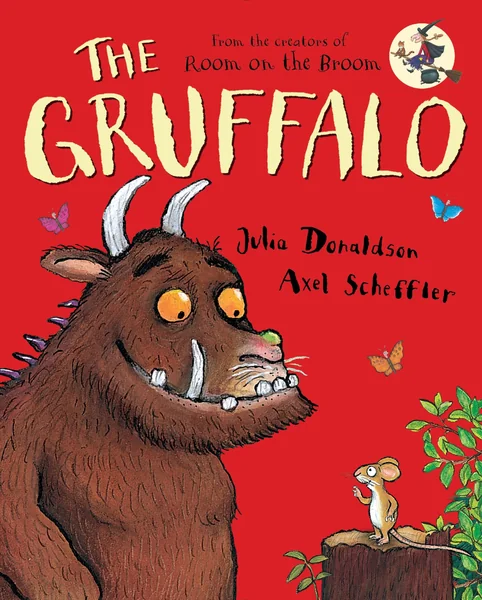
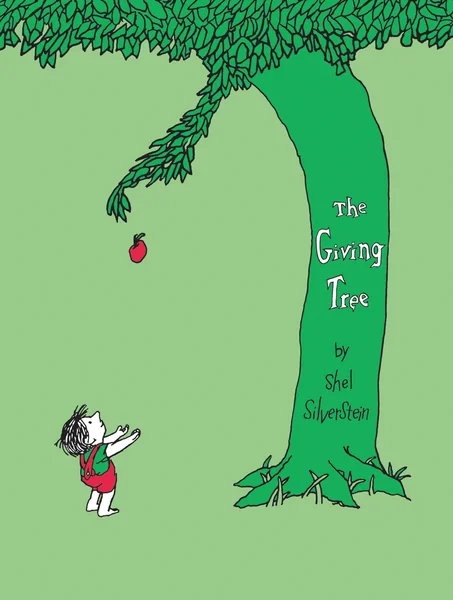
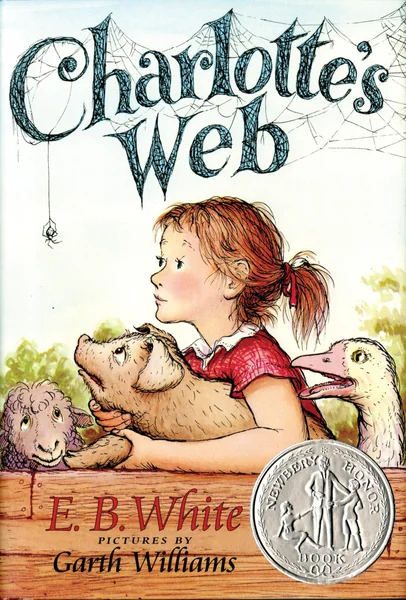
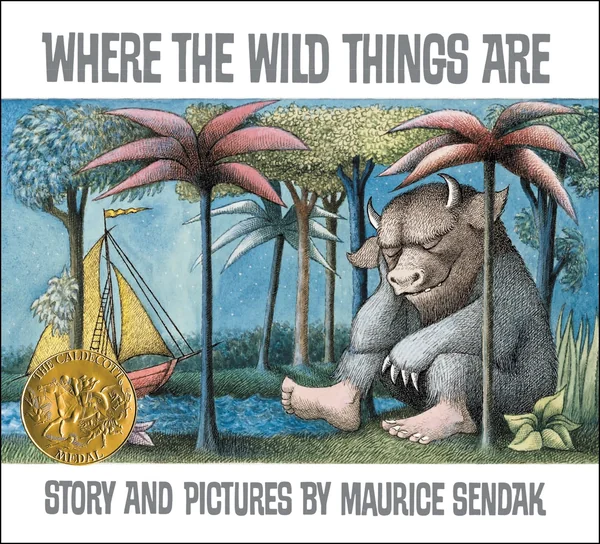
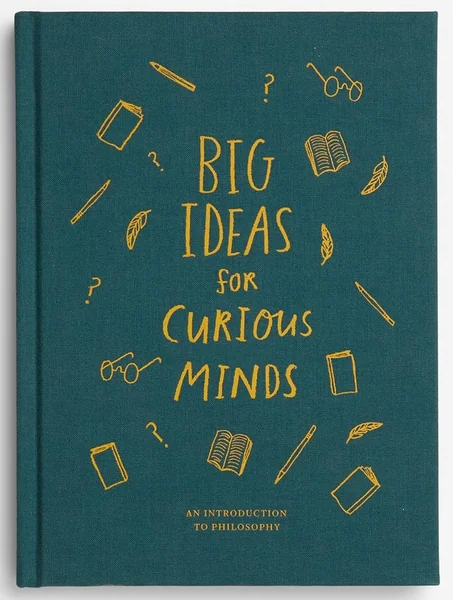
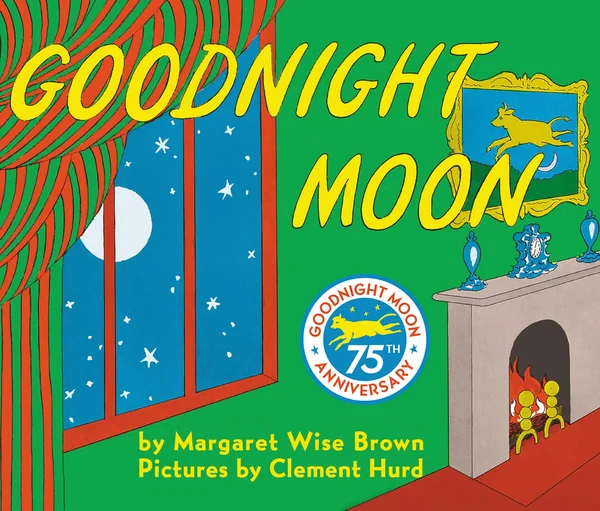
- Readers drawn to this edition will likely appreciate other enduring illustrated children's classics in the same spirit. Julia Donaldson's The Gruffalo similarly uses animal characters and a simple moral logic to engage young children, while Shel Silverstein's The Giving Tree delivers timeless themes — loyalty, generosity — in a brief, read-aloud-friendly format. E. B. White's Charlotte's Web and Maurice Sendak's Where the Wild Things Are are fellow classics of the children's canon that reward family read-aloud sessions. For families interested in introducing bigger ideas to young readers, The School of Life's Big Ideas for Curious Minds and Margaret Wise Brown's Goodnight Moon round out a shelf of picture-book and early-reader staples that complement the moral and storytelling tradition Aesop's Fables represents.
- What are the main themes?
- The fables in this collection are each structured around timeless human failings and virtues expressed through animal characters. "The Hare and the Tortoise" explores overconfidence and persistence; "The Lion and the Mouse" addresses gratitude and the unexpected value of small acts of kindness; "The Town Mouse and the Country Mouse" examines the trade-offs between ambition and contentment; "The Wolf in Sheep's Clothing" deals with deception and the danger of false appearances; and "The Boy Who Cried Wolf" delivers one of literature's most enduring lessons about the consequences of dishonesty. Taken together, the collection is a primer on pride, loyalty, cunning, and honesty — themes whose moral architecture is simple, memorable, and transferable across age groups.
- What's the reading level?
- This edition is designed for children ages 4 to 8 and is structured as a family read-aloud and bedtime storytelling title rather than an independent-reading text. The fables are short and built around simple dramatic situations with clear resolutions, making them accessible even to children at the lower end of the age range when read aloud by a caregiver. Early readers toward the upper end of the range may engage with the text independently, but the format is optimized for shared reading.
Summarize this book
Follow up
Synthesized from verified book data & published reviews · How we review
Press Enter to ask. Answers come from our editorial Q&A — start typing to see related questions.
Age & Reading Level
Recommended age
Ages 5–8
Best for: Ages 4–8 — short moral fables designed for read-alouds; text and format are calibrated for early listeners and beginning readers in this range.
Skip if you're looking for a comprehensive Aesop anthology or scholarly annotation rather than a curated, illustrated gift edition.
Editorial Review
This hardcover edition of Aesop's Fables, published by Applesauce Press and illustrated by New York Times bestselling illustrator Charles Santore, brings together the most beloved of the ancient fables — including "The Hare and the Tortoise," "The Lion and the Mouse," "The Town Mouse and the Country Mouse," "The Wolf in Sheep's Clothing," and "The Boy Who Cried Wolf" — in a format designed for family read-alouds and bedtime storytelling with children ages 4 to 8. This review is based on published sources and publicly available reception, not hands-on use.
Read the Full ReviewBooks like Aesop's Fables
Curated picks for readers who enjoyed Aesop's Fables, with our reasoning for each match.
If you liked Aesop's Fables
Why It’s Trending