8 min read
4.7
· 609 Amazon ratingsShare This Review

Our review
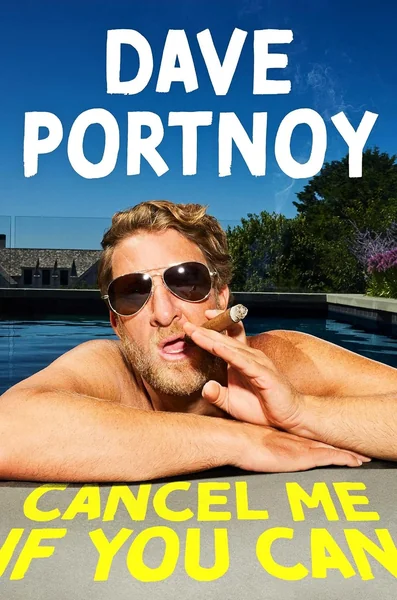
Cancel Me If You Can
Cancel Me If You Can by Dave Portnoy Review: An Unfiltered Memoir From El Presidente
Cancel Me If You Can is Dave Portnoy's account of building Barstool Sports from a four-page Boston broadsheet into a multi-million-dollar media empire — an instant #1 New York Times bestseller and #1 Publishers Weekly bestseller that covers the hard work, luck, toxic relationships, and political firestorms behind his rise. This review is based on publisher materials and published commentary from named sources, not hands-on reading.
LuvemBooks Verdict
Best for
Existing Barstool Sports fans and readers already invested in Portnoy's public persona who want his unfiltered, first-person account of building a polarizing media empire and surviving sustained attempts to cancel him.
Worth it if
You want a candid, name-naming entrepreneurial memoir that goes beyond a sanitized success story — covering luck, toxic relationships, and culture-war terrain — written in the same confrontational voice that built Barstool's audience.
Skip if
You're looking for a journalistically balanced or critically distanced account of Barstool Sports' rise; this is entirely Portnoy's own version of events, with no external counterweight.
What readers & critics say
The book debuted as an instant #1 New York Times and #1 Publishers Weekly bestseller, per Simon & Schuster's publisher page, reflecting Portnoy's broad pre-existing fanbase. Critical reception has been sharply divided: NPR's Book of the Day featured Portnoy discussing the memoir's political dimensions with Morning Edition host Steve Inskeep, while Slate characterized the book as written "with maximum disdain for its reader" and as an attempt to control the narrative around long-running controversies, and The Epoch Times offered a more favorable read, singling out specific segments — including the Deflategate coverage — as highlights of the book's best material.
“Written with maximum disdain for its reader — Portnoy details a media empire built on anything guys discuss at a sports bar.”
— Slate“He writes about building a media empire — but also about his role as a political lightning rod.”
— NPRAsk LuvemBooks
Was this helpful?
- Is it worth reading?
- For readers already in the Barstool ecosystem — followers of the brand's humor, sports coverage, and pop culture commentary — Cancel Me If You Can delivers exactly the unfiltered, confrontational voice they already know, now applied to a full origin story that names names and reconstructs specific turning points rather than staying at a vague, sanitized level of detail. The book's candor about failure, luck, and toxic relationships gives it a texture distinct from standard entrepreneurial hagiography. That said, readers seeking a neutral or journalistically distanced account of Barstool Sports' rise will need to look elsewhere, and Portnoy's polarizing public profile means the book's reception will be sharply divided along pre-existing cultural and political lines.
- Who should read this?
- The book is written directly for the Barstool Sports faithful — readers who already follow the brand's humor, sports coverage, and pop culture commentary and want the full origin story in the same unfiltered voice they already know. It will also appeal to readers interested in the culture-war dynamics of the past decade, given Portnoy's role as a political lightning rod and the book's engagement with cancel culture, antisemitism, and democratic socialism. Readers who prefer journalistically balanced accounts of media companies, or who find Portnoy's public persona off-putting, are unlikely to find the book rewarding.
- Similar books
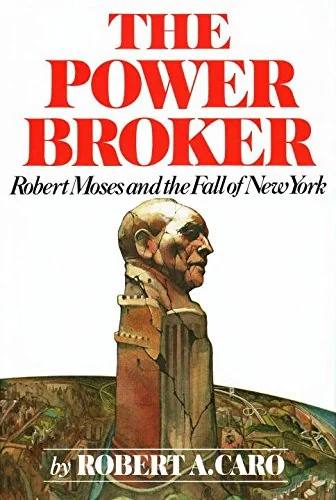
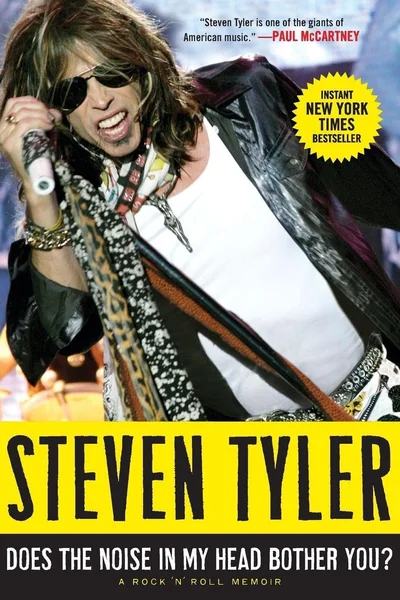
- Readers drawn to Cancel Me If You Can for its blend of memoir and media-empire origin story may find strong parallels in Walter Isaacson's Steve Jobs, which similarly chronicles an iconoclastic, polarizing figure who built a culture-defining company on his own uncompromising terms. For those interested in the exercise of power and the behind-the-scenes machinery of a media empire, Robert A. Caro's The Power Broker: Robert Moses offers a definitive — if far more critical — portrait of what it takes to reshape an institution. On the celebrity memoir side, Steven Tyler's Does the Noise in My Head Bother You? and Lionel Richie's Truly share the same genre of frank, voice-driven personal narrative from figures who built massive cultural brands. For a memoir that similarly pairs personal reckoning with a confrontational public persona, Glennon Doyle's Untamed offers an instructive contrast in tone and politics.
- What are the main themes?
- The memoir's core themes are entrepreneurial risk — Portnoy frames his entire career as a series of bets on himself — and institutional resistance, exploring how Barstool survived sustained public and corporate pressure to shut it down. Interwoven are candid examinations of luck and timing, the "poisonous relationships behind the curtain" that threatened the company, and the personal cost of occupying a polarizing cultural position. The book also engages directly with cancel culture (its title is a challenge to it), and with broader political anxieties including antisemitism and democratic socialism that Portnoy has spoken about publicly.
- How is the book structured?
- Gallery Books deliberately resists easy genre categorization for Cancel Me If You Can, describing it as neither a memoir nor a business book but rather "another bet on himself." In practice, the book functions as both: it reconstructs the origin story of Barstool Sports while also reckoning with the personal, political, and relational costs of keeping it alive. The publisher's own framing — which deliberately blurs genre lines — may frustrate readers who come in with specific expectations of structure, but it accurately reflects the book's hybrid ambition.
- How does it handle criticism of Portnoy?
- The memoir presents Portnoy's own account of the controversies surrounding him — including his role as a political lightning rod and specific named falling-outs like the one with Alex Cooper of Call Her Daddy — entirely from his own vantage point, with no external or journalistic counterbalance. The book makes no effort to soften his polarizing persona; it leans into it. Readers who have followed those controversies will encounter his version of events, but the memoir is, by design, one man's unmediated story rather than a balanced reckoning.
Summarize this book
Follow up
Synthesized from verified book data & published reviews · How we review
What would you like to know about Cancel Me If You Can?
Answers come from our editorial notes on this book. If we haven't covered something, we'll say so.
Readers often ask
Our Review
This review covers the book's content, premise and published critical reception, not a first-hand reading.
What the Book Actually Is and Does
The Origin Story at Its Core
Political Lightning Rod and Cultural Flashpoint

Strengths: Voice, Candor, and Scope
Who It's For — and Who It Isn't
Sources & Further Reading
The key facts and claims in this review are grounded in the retrieved, verified sources listed below.
- 1
- 2
premierecollectibles.com
- 3
booksamillion.com
- 4
- 5
- 6
- 7
bookmarks.reviews
- 8
tpl.bibliocommons.com
- 9
- 10
Age & Reading Level
Recommended age
Adult
2 content notes · who it suits
Content to know about
Skip if you're looking for a balanced, journalistically distanced account of Barstool Sports' rise.
Reader reviews
Be one of the first readers to answer.
Read it? Was it right for you?
Books like Cancel Me If You Can
Curated picks for readers who enjoyed Cancel Me If You Can, with our reasoning for each match.
If you liked Cancel Me If You Can