At a glance

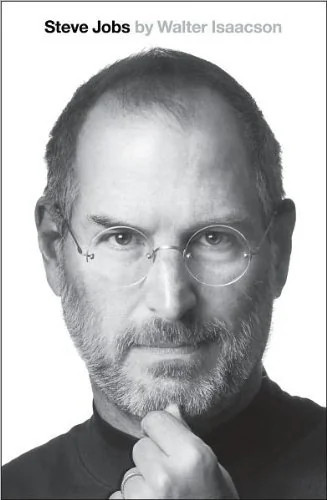
Steve Jobs
LuvemBooks Verdict
Best for: Readers drawn to business history, technology, or biography who want the most comprehensively sourced portrait of Steve Jobs available — particularly those curious about the psychology of creative leadership and how a single personality reshaped multiple industries.
Worth it? Skip it? Read the full verdict →Ask LuvemBooks
Was this helpful?
- Is it worth reading?
- For readers interested in business history, technology, and biography, Steve Jobs is the essential starting point — no other account combines this depth of access with Jobs's own willingness to have his failings documented on the record. The Guardian called it 'monumental' and noted it is 'studded with moments that make you go wow,' and critical coverage characterized it as 'enthralling.' The key caveat is that Isaacson's strength is narrative journalism, not structural critique; readers who want a rigorous interrogation of the social or labor consequences of Jobs's methods will need to supplement this book with other sources.
- Similar books
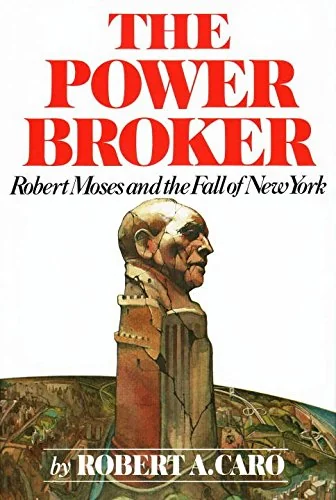
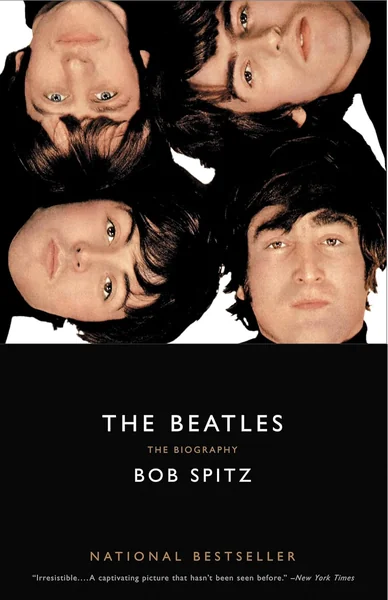
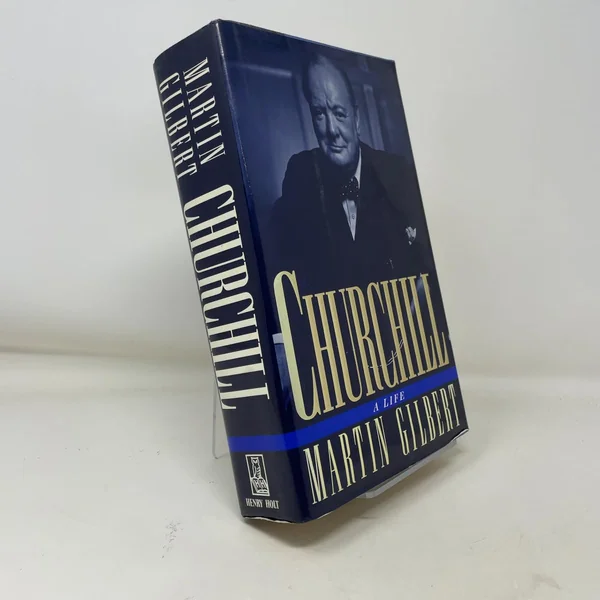
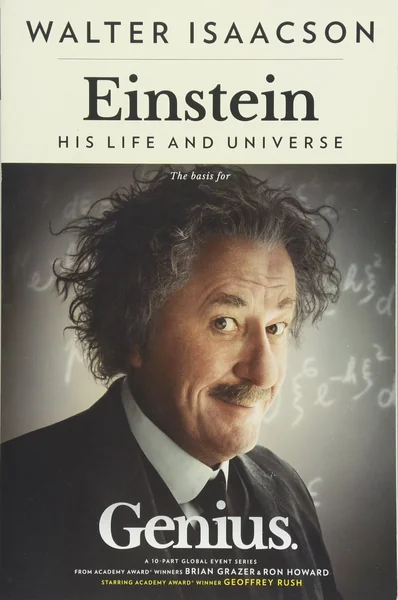
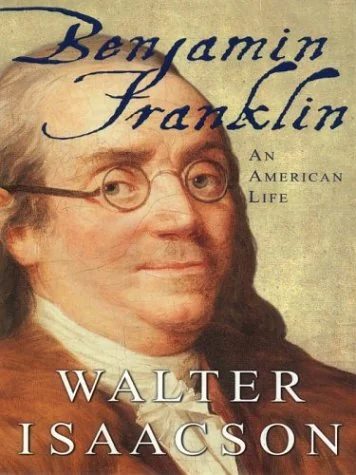
- Readers who enjoy Steve Jobs will find rich company in similarly access-driven, narrative-biography format. Isaacson's own Einstein: His Life and Universe and Benjamin Franklin: An American Life share the same authoritative, journalist-biographer approach and belong to the same lineage Isaacson himself drew on for Jobs. For large-scale institutional biography, Robert A. Caro's The Power Broker: Robert Moses and the Fall of New York is the gold standard of deep-access narrative. Bob Spitz's The Beatles: The Biography offers a comparable treatment of a culture-reshaping figure from the same era of popular mythology. Martin Gilbert's Churchill: A Life rounds out the set for readers drawn to portraits of outsized, complex personalities who defined their age.
- Who should read this?
- Steve Jobs is best suited to readers interested in business history, technology, Silicon Valley, and the psychology of creative leadership. It rewards those who want granular, verified detail — from the Apple IPO that made the 25-year-old Jobs $256 million to the scene of Jobs demanding design alternatives for a hospital mask while barely conscious after a liver transplant. Readers who come expecting a measured corporate history or an academic analysis of Silicon Valley culture may find its narrative-first texture more celebratory than they prefer, even accounting for Isaacson's documented commitment to balance.
- About Walter Isaacson
- Walter Seff Isaacson is an American journalist who has written biographies of Henry Kissinger, Benjamin Franklin, Leonardo da Vinci, Albert Einstein, Steve Jobs, Jennifer Doudna, and Elon Musk.
- Tell me about the adaptation
- Steve Jobs was adapted into a 2015 feature film written by Aaron Sorkin and directed by Danny Boyle, with Michael Fassbender starring in the title role. The film's existence is itself a reflection of how thoroughly Isaacson's account became the primary source text for understanding Jobs's life in the popular imagination. The book's narrative detail and candor — including its documented personal failings and iconic anecdotes — gave Sorkin substantial material to work with.
- How does this compare to Isaacson's other biographies?
- Isaacson came to Steve Jobs having already written acclaimed biographies of Benjamin Franklin and Albert Einstein, and the assignment of Jobs to that lineage was itself a deliberate statement about Jobs's historical significance. All three books share Isaacson's journalist's command of chronology and anecdote, and his stated commitment to balance over hagiography. Critics noted that Steve Jobs demands the same 'biographical seriousness' as those earlier subjects, given that Jobs's inventions 'so utterly transformed the allure of technology' — placing the biography squarely within Isaacson's signature project of documenting transformative creative minds.
Summarize this book
Follow up
Synthesized from verified book data & published reviews · How we review
Press Enter to ask. Answers come from our editorial Q&A — start typing to see related questions.
Age & Reading Level
Recommended age
Adult
Reading level
Adult
who it suits
Skip if you want a rigorous analytical or structural critique of the social and labor consequences of Jobs's methods — the book is oriented toward narrative momentum rather than ideological interrogation.
Editorial Review
Walter Isaacson's *Steve Jobs* is the authorized biography of Apple co-founder Steve Jobs, grounded in more than forty interviews with Jobs over two years and interviews with more than 100 family members, friends, adversaries, competitors, and colleagues. Released by Simon & Schuster on October 24, 2011 — nineteen days after Jobs's death — it stands as the definitive record of a life that reshaped personal computers, animated movies, music, phones, tablet computing, and digital publishing.…
Read the Full ReviewBooks like Steve Jobs
Curated picks for readers who enjoyed Steve Jobs, with our reasoning for each match.
More by Walter Isaacson
If you liked Steve Jobs