7 min read
4.2
· 2,536 Amazon ratingsShare This Review

Our review
Does the Noise in My Head Bother You?
Does the Noise in My Head Bother You? by Steven Tyler Review: A Dazed, Pulpy Rock Memoir
Does the Noise in My Head Bother You? Is Steven Tyler's autobiography, chronicling the Aerosmith frontman's life from a Yonkers-and-Bronx childhood through decades of rock excess and an unlikely second act as an American Idol judge. It earns attention as an unfiltered, high-velocity account of one of rock's most singular careers — though coherence is decidedly not the point.


 Tap to enlarge
LuvemBooks Verdict
Best for
Devoted Aerosmith fans and rock-memoir enthusiasts who want Steven Tyler's full personality — chaos, bravado, and all — on the page rather than a sober, structured account of his life.
Worth it if
Worth reading if you want an unfiltered, high-energy immersion in 1970s American rock excess and survival, told from deep inside it by one of the genre's most outsized personalities.
Skip if
Skip it if you expect chronological rigour, sourced anecdotes, or the kind of meticulously reconstructed scene-work found in the best rock memoirs — the narrative coherence simply isn't there.
What readers & critics say
The New York Times found Tyler's "turbulently high-spirited cheer holds it all together, even when you don't really believe a word he's saying," comparing the book to Keith Richards's Life but "faster, sleazier and pulpier." Rolling Stone (AU) echoed the structural critique, noting that finding "a single coherent sentence in this book" is an achievement, situating it nonetheless among the great rock memoirs.
“Tyler's turbulently high-spirited cheer holds it all together, even when you don't really believe a word he's saying.”
— nytimes.comPreview the book

Ask LuvemBooks
Was this helpful?
- Is it worth reading?
- For devoted Aerosmith fans and readers with a high tolerance for rock-star stream-of-consciousness, Does the Noise in My Head Bother You? delivers exactly what it promises: Steven Tyler, unfiltered and at volume, for 432 pages. The New York Times comparison to Keith Richards's memoir Life is instructive — LuvemBooks finds the book 'faster, sleazier and pulpier' and somehow makes even less sense, which is either a selling point or a warning depending on the reader. The accidental analytical thread on 'Lead Singer Disease' gives the memoir a dimension that lifts it above pure celebrity product. Readers who want meticulously reconstructed scenes, chronological clarity, or sober reflection will find the experience genuinely frustrating.
- Similar books
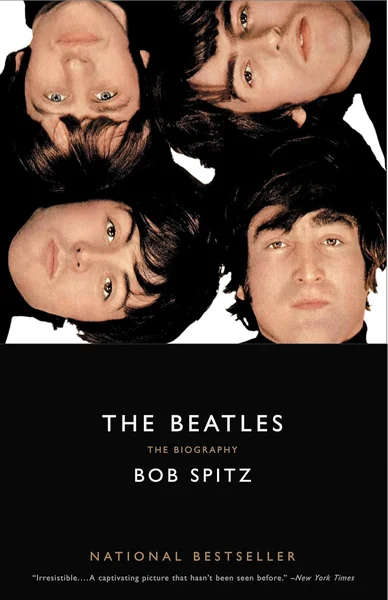
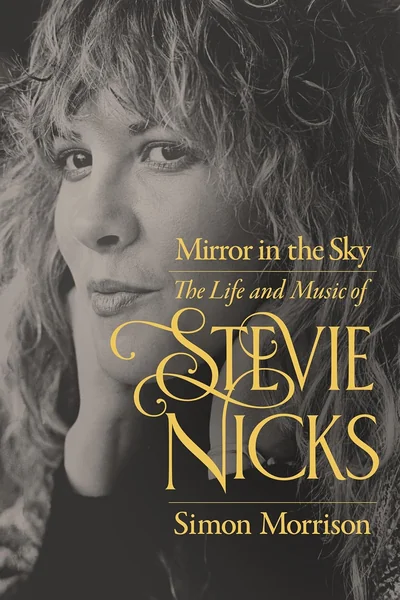
- Readers drawn to Does the Noise in My Head Bother You? will find rich company in the rock-and-pop memoir genre. From Here to the Great Unknown by Lisa Marie Presley and Riley Keough offers another unfiltered account from inside rock royalty, while Piece by Piece by Tori Amos and Ann Powers is a more musically introspective but equally candid portrait of an artist's inner world. For a sweeping look at the band whose shadow Aerosmith always lived under, The Beatles: The Biography by Bob Spitz provides meticulously sourced contrast to Tyler's freewheeling style. Mirror in the Sky: The Life and Music of Stevie Nicks by Simon Morrison and Truly by Lionel Richie round out a shelf of essential reads for fans of rock-era stardom told from the inside.
- Who should read this?
- Does the Noise in My Head Bother You? is best suited to devoted Aerosmith fans and readers who already enjoy rock-star memoirs at their most freewheeling — the kind of reader who wants Steven Tyler unfiltered and at volume for 432 pages. Those who came to Tyler through American Idol and want to understand the rock career that preceded it will get the broad strokes of that story. Readers who prize chronological narrative, sourced anecdote, or sober reflection — the qualities found in the best traditional rock memoirs — are likely to find the structure genuinely frustrating. It is not designed for the casual or skeptical reader of memoir.
- About Steven Tyler
- Steven Victor Tallarico, known professionally as Steven Tyler, is an American singer and songwriter.
- What are the main themes?
- The memoir's most prominent theme is what Tyler calls 'Lead Singer Disease' (L.S.D.) — the particular variety of outsized ego and self-mythology that attaches to rock front men. The New York Times described this thread as 'practically an Oliver Sacks-level investigation into L.S.D., from the perspective of a prize case study,' giving the book an accidental analytical dimension that elevates it beyond celebrity memoir. Other recurring themes include survival through excess, the mythology of 1970s American rock, the tension between authenticity and performance, and the strange second lives that rock stars can find later in their careers, as Tyler did on American Idol.
- What's the writing style like?
- Tyler's prose style is deliberately chaotic and high-velocity, designed to mirror the man himself rather than to guide the reader through a tidy narrative. The New York Times noted he swerves 'from mystical hippie rambles to borscht belt jokes at warp speed,' and that his 'turbulently high-spirited cheer holds it all together' — even as critics acknowledged he 'can't stay on the same topic longer than a sentence or two.' The New York Times headlined their review 'Dude's a Little Hazy,' which serves as a useful genre classification: this is stream-of-consciousness rock memoir, not literary autobiography.
Summarize this book
Follow up
Synthesized from verified book data & published reviews · How we review
What would you like to know about Does the Noise in My Head Bother You??
Answers come from our editorial notes on this book. If we haven't covered something, we'll say so.
Readers often ask
Our Review
This review covers the book's content, premise and published critical reception, not a first-hand reading.
What the Book Actually Is
Its Place in the Rock-Memoir Genre
What the Book Does Well
The Genuine Limitations
Who This Book Is For
Sources & Further Reading
The key facts and claims in this review are grounded in the retrieved, verified sources listed below.
- Cited in this review
- 1
- 2
- Further reading
- 3
Steven Tyler, Wikipedia
- 4
- 5
- 6
- 7
- 8
- 9
- 10
hollywoodreporter.com
- 11
- 12
Age & Reading Level
Recommended age
Ages 16+
Reading level
Adult
3 content notes · who it suits
Content to know about
Best for: Adults / mature 16+ — candid accounts of drug addiction, sexual excess, and decades of rock-world hedonism.
Skip if You want a meticulously sourced, chronologically coherent memoir with sober reflection on a life in music.
Reader reviews
Be one of the first readers to answer.
Read it? Was it right for you?
Books like Does the Noise in My Head Bother You?
Curated picks for readers who enjoyed Does the Noise in My Head Bother You?, with our reasoning for each match.
If you liked Does the Noise in My Head Bother You?