BOOKS
Published

Read Time

4 min read

Curated & edited by

LuvemBooks Editorial

How we create our reviews →
Share This Review

The Mysterious Bakery on Rue de Paris by Evie Woods Review: Magical Realism Steeped in Grief and Sweetness

Evie Woods's The Mysterious Bakery on Rue de Paris is a magical realism novel blending historical fiction and romance, following an Irish woman named Edith who flees heartache for a small town in France — only to find that the bakery on Rue de Paris holds secrets, and that some ghosts from the past are not so easily left behind. Published by One More Chapter in April 2025, the novel is the latest from the internationally bestselling author of The Lost Bookshop, which sold over a million copies globally and was translated into thirty-one languages. Drawing on folklore and the healing power of storytelling, the book is designed to appeal to readers who enjoy warmth, French atmosphere, and the quiet magic of everyday life — though some readers note unevenness in pacing and certain plot resolutions.

LuvemBooks Verdict

Best for

Readers who love quiet, atmosphere-first magical realism with a strong sense of place — particularly fans of Evie Woods's The Lost Bookshop or comparable titles like Before the Coffee Gets Cold who want a sensory, emotion-led story about grief, healing, and unexpected magic set in a French village.

Worth it if

Worth it if you read primarily for immersive atmosphere, emotional resonance, and the slow unfolding of a character's inner life rather than tight plotting or a single dominant genre register.

Skip if

Skip it if you need tightly plotted, resolution-driven fiction — specific criticism around pacing and certain plot resolutions means the structural joins are likely to disrupt readers who prioritise narrative payoff over mood and feeling.

What readers & critics say

Bookclb.com describes the novel as "not without its flaws — particularly in pacing and certain plot resolutions" while still affirming its successful blend of magical realism, historical fiction, and romance, and noting it delves deeper into historical material than The Lost Bookshop. Caffeinatedbookreviewer.com calls it "a mouth-watering journey of love, liberty and la vie en rose," highlighting its appeal to all the senses.

Sources: bookclb.com, caffeinatedbookreviewer.com, swirlandthread.com, jenmedsbookreviews.com, michelleardillo.com, cindylspear.com

Look inside the book

Preview the actual pages, via Google Books
In This Review
  • What Works & What Doesn't
  • What the Novel Is and What It Contains
  • Evie Woods's Place in the Genre
  • Strengths: Atmosphere, Theme, and Emotional Resonance
  • Limitations: Pacing and Resolution
  • Who This Book Is For

What Works & What Doesn't

What Works
  • Written by the internationally bestselling author of The Lost Bookshop, bringing a proven and distinctive magical realism voice to a new story
  • Edith's grief-and-healing arc is handled with emotional sensitivity, with the novel acknowledging that healing is nonlinear
  • The dual timeline structure adds historical depth, noted by readers as going deeper than Woods's previous work
  • Publisher and reader reception alike highlight the immersive French village atmosphere and sensory world of the bakery setting
  • Positioned alongside beloved international titles like Before the Coffee Gets Cold, signaling a clear and enthusiastic target readership
What Doesn't
  • Pacing and certain plot resolutions have drawn specific criticism even from otherwise enthusiastic readers
  • The blend of magical realism, historical fiction, and romance may feel tonally diffuse for readers who prefer a single dominant genre register
Evie Woods's latest novel is a wistful, whimsical blend of magical realism, historical fiction, and romance — warm in its intentions and unmistakably shaped by its author's signature style.

What the Novel Is and What It Contains

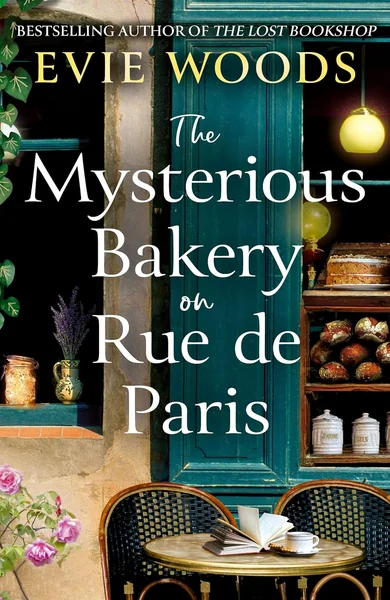
Front cover featuring a teal-doored Parisian bakery storefront with pastries, warm lighting, and café seating.
The Mysterious Bakery on Rue de Paris follows Edith, an Irish woman escaping heartache and singledom, who travels to Compiègne, France. There she encounters a bakery on Rue de Paris that turns out to be far from ordinary — and discovers that the ghosts from her past are harder to outrun than she hoped. The novel is structured around a dual timeline, weaving Edith's contemporary journey of self-discovery together with historical depth, and it incorporates themes of grief and healing, love, and what the publisher describes as "sorrows, secrets and sweets." Food — specifically French pastries and the sensory world of a small French town — is woven throughout as both setting and atmosphere.

Evie Woods's Place in the Genre

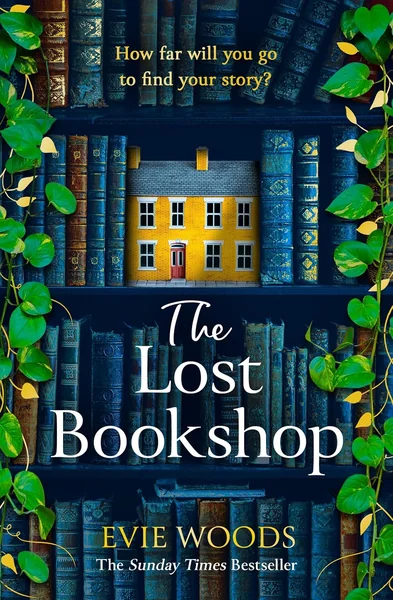
Woods is the author of The Lost Bookshop, which became the #1 Wall Street Journal, Sunday Times, Spiegel, and Amazon Kindle bestseller and was shortlisted for a British Book Award, selling over a million copies and earning translation into thirty-one languages. That track record places The Mysterious Bakery on Rue de Paris in a clearly established authorial lineage. In her own words, quoted in promotional materials, Woods describes this novel as an opportunity to "really indulge my love of magical realism," with the project of "finding magic in the everyday" central to her creative intent. Her broader body of work — including The Story Collector — has been noted for drawing on folklore and the unseen forces that shape human lives, and this novel continues that through-line. Publishers have positioned it as ideal for fans of Before the Coffee Gets Cold and The Full Moon Coffee Shop, two titles with devoted international readerships.
Woman wearing green blouse with floral embroidery, styled for a Parisian-themed book promotion.

Strengths: Atmosphere, Theme, and Emotional Resonance

The novel's most discussed strengths center on its emotional core and its evocation of place. Edith's arc — grief that paralyzes before it propels — is handled with what one source describes as sensitivity, and the acknowledgment that healing is nonlinear gives the story genuine emotional texture. Reader responses noted at caffeinatedbookreviewer.com describe it as "a mouth-watering journey of love, liberty and la vie en rose," and the publisher's own framing emphasizes its appeal to all of the senses. One reader quoted at Barnes & Noble called it "a delicious book that I couldn't resist devouring in one sitting," adding that losing herself in "the world of Edie and the mysterious baker" was a delight. A further reader described it as "spellbinding" and noted being "hooked from the very beginning." The French village setting, the bakery's mysteries, and the dual timeline give the novel its structural variety — and the historical dimension is noted by at least one source as running deeper here than in The Lost Bookshop.

Limitations: Pacing and Resolution

Not every element lands with equal force. One review source notes that the novel is "not without its flaws — particularly in pacing and certain plot resolutions," describing some narrative elements as less satisfying than the emotional core they surround. This is a recurring, specific observation: the pacing across the dual timeline and the manner in which certain plot threads are closed draw measured criticism even from readers who respond warmly to the book overall. Readers who prefer tightly plotted, resolution-driven fiction may find these moments of unevenness more disruptive than those who read primarily for atmosphere and feeling.

Who This Book Is For

The Mysterious Bakery on Rue de Paris is designed for readers who gravitate toward quiet, immersive magical realism with a strong sense of place — the kind of story where a French bakery becomes a portal to self-discovery and the past. It will resonate most with those who already love Woods's earlier work or who have enjoyed comparable titles like Before the Coffee Gets Cold, where the magical and the emotional are inseparable. It is, in the publisher's own framing, "perfect escapism" — a novel built for readers willing to surrender to atmosphere and the slow, sweet logic of a story about grief, healing, and unexpected magic. Those seeking historical fiction with extensive narrative complexity or romance as the dominant engine may find the balance tips differently than expected, but for its intended audience, the book delivers what Woods's readership has come to anticipate.

Sources & Further Reading

The key facts and claims in this review are grounded in the retrieved, verified sources listed below.

  1. 1
    Evie Woods — author profileHigh-authority source

    Evie Woods, Wikipedia

  2. 2
  3. 3
  4. 4
  5. 5
  6. 6
  7. 7
  8. 8
  9. 9
  10. 10
  11. 11