
9 min read
4.8
· 2,065 Amazon ratingsShare This Review
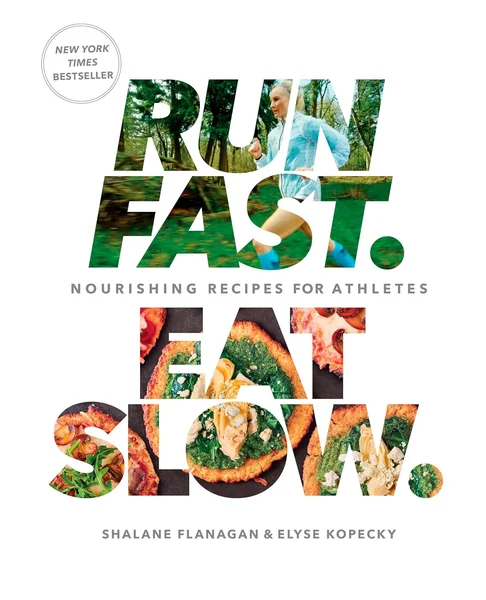
Run Fast. Eat Slow. by Shalane Flanagan & Elyse Kopecky Review: A Whole-Foods Fuel Plan for Athletes
Run Fast. Eat Slow.: Nourishing Recipes for Athletes is a New York Times bestselling cookbook co-authored by four-time Olympian and 2017 TCS New York City Marathon champion Shalane Flanagan and chef and nutrition coach Elyse Kopecky, built around the argument that athletic performance food can be simultaneously indulgent and deeply nourishing — a philosophy that earned the book strong endorsements from elite running figures and a wide readership beyond competitive athletes.
LuvemBooks Verdict
Best for
Runners — recreational through competitive — who want a whole-foods kitchen companion that treats eating as part of training and refuses to separate performance fuel from genuine culinary pleasure.
Worth it if
You're training seriously and want a credible, philosophy-driven cookbook grounded in real ingredients rather than supplements or restrictive diet plans — and you have the kitchen time and ingredient access to cook from it properly.
Skip if
You need predominantly quick, weeknight-ready meals that fit around a packed training schedule — the authors themselves acknowledged this gap and published a faster-focused sequel, Run Fast. Cook Fast. Eat Slow., to address it.
What readers & critics say
Retailer and library sources consistently highlight the book's "indulgent and nourishing" whole-foods thesis and its dual athletic-culinary credibility, with barnesandnoble.com surfacing an endorsement from Joan Benoit Samuelson calling it "a true runner's kitchen companion." Her Campus (uat.hercampus.com) notes the cookbook is "not just for athletes," pointing to its relevance for a broader audience beyond competitive runners.
Sources: Barnes & Noble, Her Campus (Drexel)Look inside the book
Preview the actual pages, via Google BooksIn This Review
- What Works & What Doesn't
- What the Book Is and What It Argues
- Credentials and Cultural Standing
- Strengths: Scope and Recipe Range
- Genuine Limitations to Consider
- Who This Book Is For
What Works & What Doesn't
What Works
- Co-authored by a four-time Olympian and NYC Marathon champion alongside a professional chef and nutrition coach, giving the book rare dual credibility in both athletic performance and culinary craft
- Grounded in a clear, actionable philosophy — Elyse Kopecky's 'indulgent nourishment' approach — that explicitly rejects the false trade-off between performance fuel and food pleasure
- Wide recipe range covering smoothies, grain salads, power bowls, homemade pizza, and race-day bars, designed to serve athletes across daily training, recovery, and race-day contexts
- Endorsed by Joan Benoit Samuelson and Meb Keflezighi — two of the most decorated American distance runners — adding elite peer validation to the content
- A New York Times bestseller with broad enough appeal to anchor two follow-up collaborations, demonstrating durable readership well beyond competitive runners
What Doesn't
- The whole-foods philosophy assumes access to quality fresh ingredients and meaningful kitchen time — a bar that can conflict with the realities of a heavy training schedule, a gap the authors themselves addressed by publishing a faster-focused sequel
- The book's performance-athlete framing may feel less directly relevant to readers without a running or fitness context, even when the recipes themselves have broader appeal
What the Book Is and What It Argues
Credentials and Cultural Standing
Strengths: Scope and Recipe Range
Genuine Limitations to Consider
Who This Book Is For
Frequently Asked Questions
Sources & Further Reading
The key facts and claims in this review are grounded in the retrieved, verified sources listed below.
- 1
Shalane Flanagan, Elyse Kopecky, Wikipedia
- 2
runfasteatslow.com
- 3
search.schlowlibrary.org
- 4
- 5
- 6
- 7
Related Reviews
Reviews of books we picked for readers who enjoyed Run Fast. Eat Slow..
Reader Comments
No comments yet
Be the first to share your thoughts!