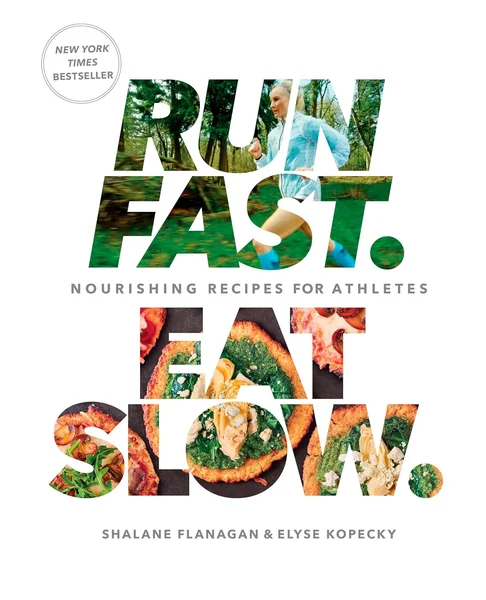
Run Fast. Eat Slow.: Nourishing Recipes for Athletes: A Cookbook
by Shalane Flanagan, Elyse Kopecky
At a glance
About the Author
Shalane Flanagan, Elyse Kopecky2 books reviewed
Run Fast. Eat Slow.
Nourishing Recipes for Athletes: A Cookbook
by Shalane Flanagan, Elyse Kopecky
LuvemBooks Verdict
Best for: Runners — recreational through competitive — who want a whole-foods kitchen companion that treats eating as part of training and refuses to separate performance fuel from genuine culinary pleasure.
Worth it? Skip it? Read the full verdict →Ask LuvemBooks
Was this helpful?
- Is it worth reading?
- For runners — recreational through competitive — who want a kitchen companion grounded in real food rather than supplements or restrictive diet plans, Run Fast. Eat Slow. makes a coherent, well-credentialed case. The dual authority of Flanagan's four Olympic appearances and Kopecky's professional culinary and nutrition coaching background gives the book standing that few sports-nutrition titles can match, and its New York Times bestseller status reflects genuine crossover appeal well beyond elite marathoners. The key caveat is practical: the whole-foods approach assumes access to quality fresh ingredients and meaningful kitchen time, a bar that can conflict with a heavy training schedule.
- Similar books
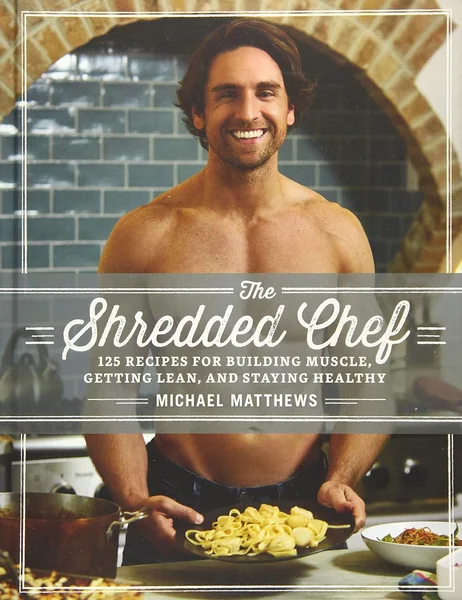
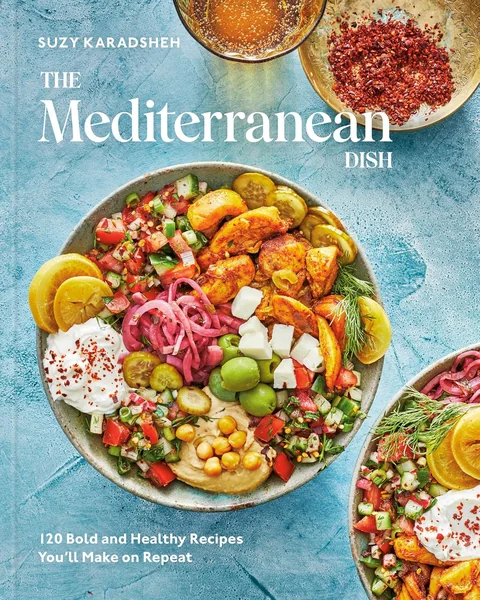
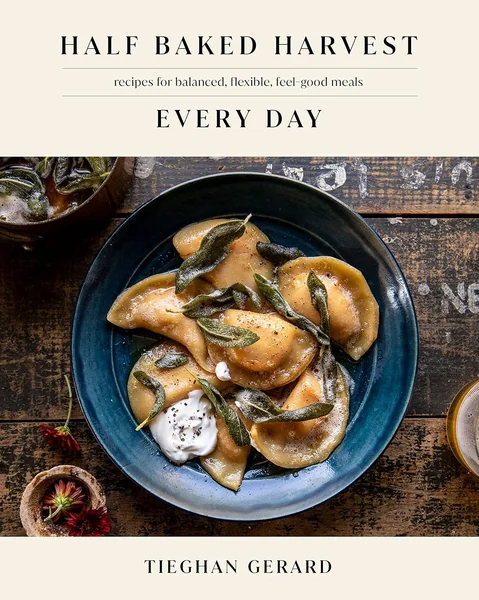
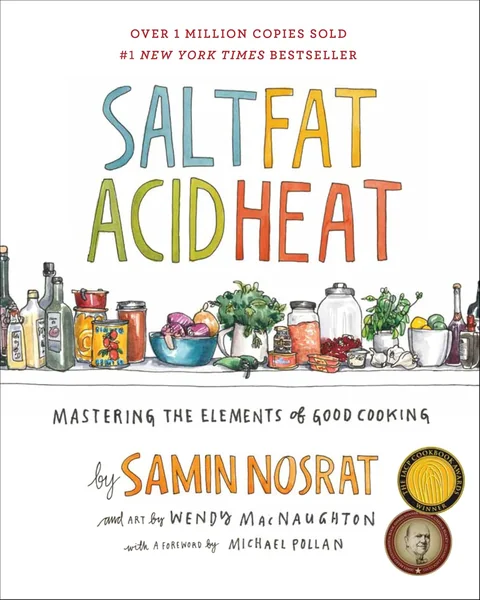
- Readers drawn to Run Fast. Eat Slow. for its whole-foods, performance-oriented philosophy will find company in several related titles. Michael Matthews' The Shredded Chef: 125 Recipes for Building Muscle, Getting Lean offers another athlete-focused approach to cooking for body composition. For bold, ingredient-forward cooking with a health-conscious lens, Suzy Karadsheh's The Mediterranean Dish: 120 Bold is a strong companion. Samin Nosrat's Salt, Fat, Acid, Heat: Mastering the Elements of Good Cooking shares the flavor-first philosophy, while Tieghan Gerard's Half Baked Harvest Cookbook: Recipes from My Barn in the Mountains appeals to readers who want indulgent whole-ingredient cooking. Heather Choate's The $7/Day High Protein Cookbook for Weight Loss rounds out the shelf for those with a macro-conscious mindset.
- Who should read this?
- Run Fast. Eat Slow. is most squarely aimed at runners — recreational through competitive — who want a kitchen companion grounded in real food rather than supplements or restrictive diet plans. The publisher also positions it for anyone pursuing a more nourishing approach to everyday eating, including time-pressed home cooks and families. Readers who are comfortable spending meaningful time in the kitchen and have reliable access to quality fresh ingredients will get the most out of the book's whole-foods recipes; those on a tighter schedule may be better served starting with the sequel, Run Fast. Cook Fast. Eat Slow.
- About Shalane Flanagan, Elyse Kopecky
- Elyse Kopecky is a nutrition coach, marathoner, and the co-author with Shalane Flanagan of three running cookbooks which introduced Superhero muffins.
- What are the pros and cons?
- The book's strengths are substantial: the co-authorship of a four-time Olympian and NYC Marathon champion alongside a professional chef and nutrition coach gives it rare dual credibility, and the 'indulgent nourishment' philosophy is clear and actionable across a wide recipe range — smoothies, grain salads, power bowls, homemade pizza, and race-day bars. Endorsements from Joan Benoit Samuelson and Meb Keflezighi add elite peer validation. On the other side, the whole-foods approach assumes access to quality fresh ingredients and meaningful kitchen time, which can conflict with the realities of a heavy training schedule — a gap the authors themselves addressed by publishing Run Fast. Cook Fast. Eat Slow. The book's performance-athlete framing may also feel less immediately relevant to readers without a running or fitness context.
- How does this compare to the sequel?
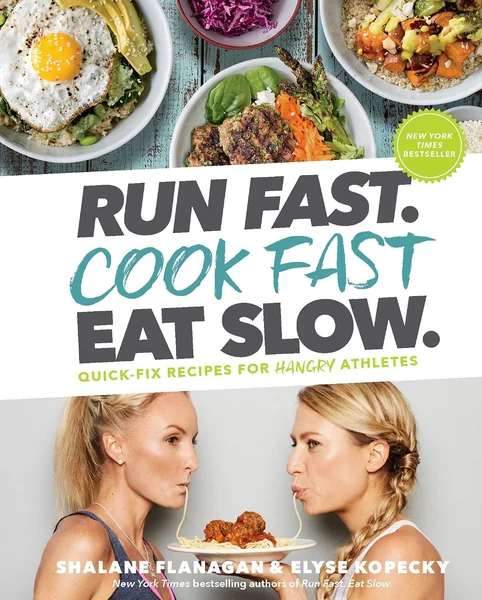
- Run Fast. Eat Slow. establishes the foundational 'indulgent nourishment' philosophy and offers a broad recipe range designed for daily training, recovery, and race-day eating — but it assumes meaningful kitchen time. Run Fast. Cook Fast. Eat Slow. was explicitly developed to close that gap, targeting athletes who need quicker, weeknight-ready meals without abandoning the whole-foods approach. Readers new to the series who have limited time to cook are often better served starting with the sequel; those who want the full philosophy and a wider recipe scope should begin with the original.
Summarize this book
Follow up
Synthesized from verified book data & published reviews · How we review
Press Enter to ask. Answers come from our editorial Q&A — start typing to see related questions.
Age & Reading Level
Recommended age
Adult
Reading level
Adult
who it suits
Skip if you want quick, weeknight-ready recipes with minimal prep time.
Books like Run Fast. Eat Slow.
Curated picks for readers who enjoyed Run Fast. Eat Slow., with our reasoning for each match.
If you liked Run Fast. Eat Slow.