
8 min read
4.9
· 16 Amazon ratingsShare This Review
The Missing Half: A Post-Apoc Survival Journey by Randall Wood Review: A Gripping Series Finale for Devoted Fans
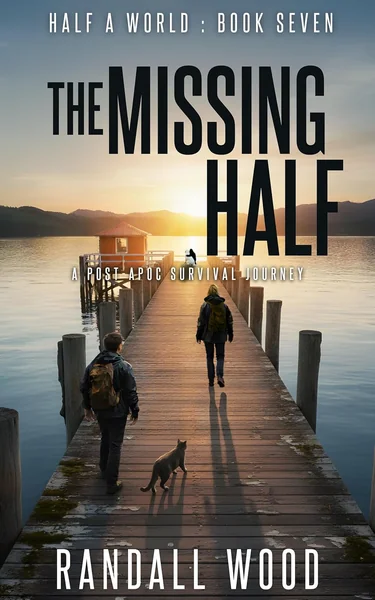
The Missing Half: A Post-Apoc Survival Journey is the concluding eighth entry in Randall Wood's Half a World post-apocalyptic series, published by Tension Bookworks in March 2026, and delivers the propulsive, high-stakes storytelling that readers of the series have come to expect — though its rewards are reserved almost entirely for those already invested in the saga.
LuvemBooks Verdict
Best for
Dedicated Half a World series readers who have followed all seven preceding volumes and want to see Jake, Anna, and the Shepherds reach their convergent, saga-closing climax.
Worth it if
You are already invested in the Half a World series and want a finale that delivers the signature narrative momentum — dual plot engines, high-seas survival, and an internal mission breach — that Wood has built toward across eight books.
Skip if
You are new to Randall Wood or post-apocalyptic fiction in general — without the accumulated context of seven prior volumes, the emotional stakes this finale depends on simply will not land.
What readers & critics say
Reader commentary collected on randallwoodauthor.com consistently praises the series' propulsive pacing, with readers describing entries as "an absolute page turner" that keeps interest "from page one."
Sources: randallwoodauthor.comIn This Review
- What Works & What Doesn't
- What the Book Contains and Where It Fits in the Series
- The Series' Central Appeal and Wood's Brand of Thriller
- Strengths: Pacing and Reader Engagement
- Limitations: Series Dependency and Entry Point
- Who This Book Is For
What Works & What Doesn't
What Works
- Delivers the series' signature narrative momentum, with reader commentary consistently citing it as impossible to put down
- Runs two propulsive plot engines simultaneously — Jake's no-skills ocean crossing during a hurricane and a mission-threatening internal breach among the Shepherds
- Brings the Half a World saga to a convergent climax that rewards readers who have followed all eight entries
- Continues Wood's distinctive thematic focus on duty, identity, and loyalty persisting inside post-apocalyptic collapse
What Doesn't
- Almost entirely inaccessible as a standalone — readers without context from the preceding seven books will lack the accumulated stakes the finale depends on
- As a series-closing volume, its appeal is narrowly concentrated among existing Half a World fans rather than the broader post-apocalyptic readership
What the Book Contains and Where It Fits in the Series
The Series' Central Appeal and Wood's Brand of Thriller
Strengths: Pacing and Reader Engagement
Limitations: Series Dependency and Entry Point
Who This Book Is For
Frequently Asked Questions
Sources & Further Reading
The key facts and claims in this review are grounded in the retrieved, verified sources listed below.
- 1
randallwoodauthor.com
Related Reviews
Reviews of books we picked for readers who enjoyed The Missing Half.




Reader Comments
No comments yet
Be the first to share your thoughts!