Skip to content

13 Best Halloween Books: From Cosy Chills to Pure Terror

13 books
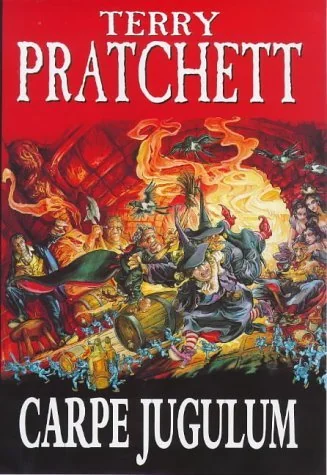
Carpe Jugulum
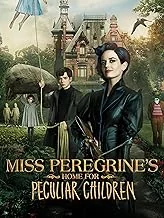
Miss Peregrine's Home for Peculiar Children
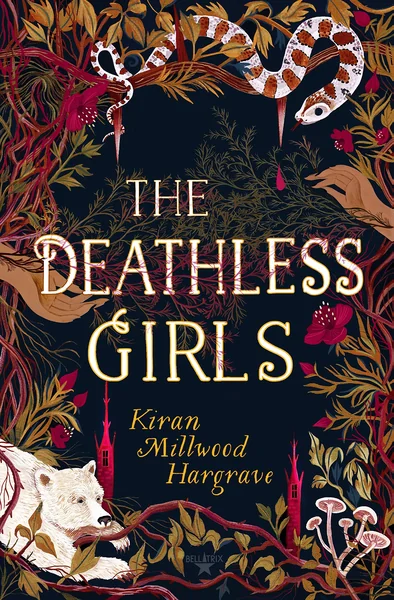
The Deathless Girls
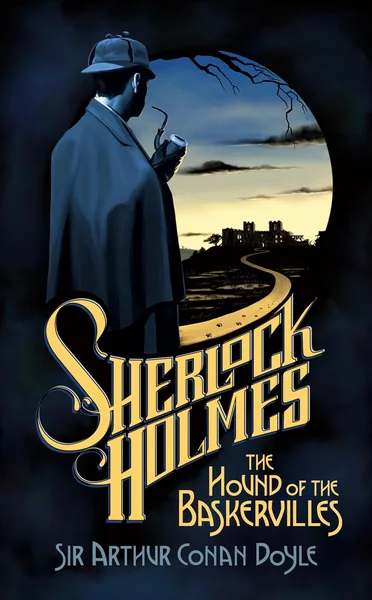
The Hound of the Baskervilles
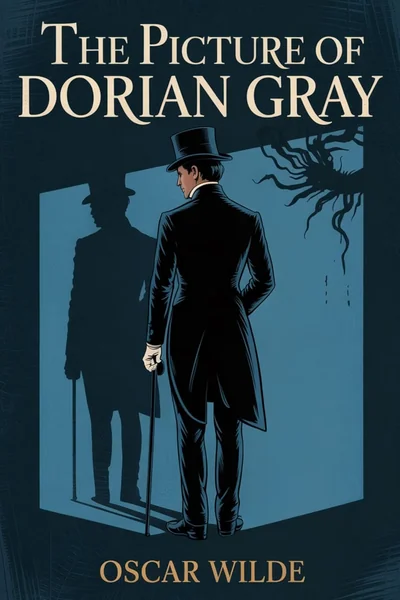
The Picture of Dorian Gray
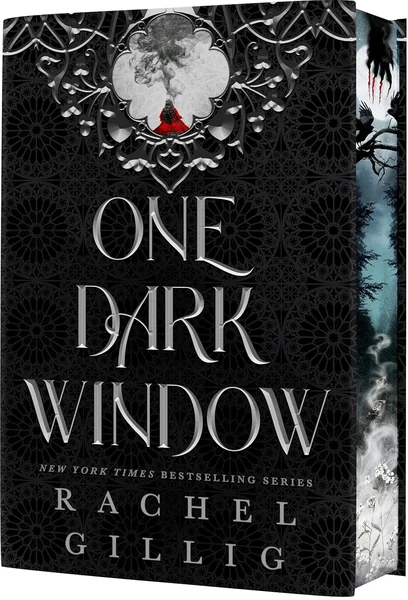
One Dark Window
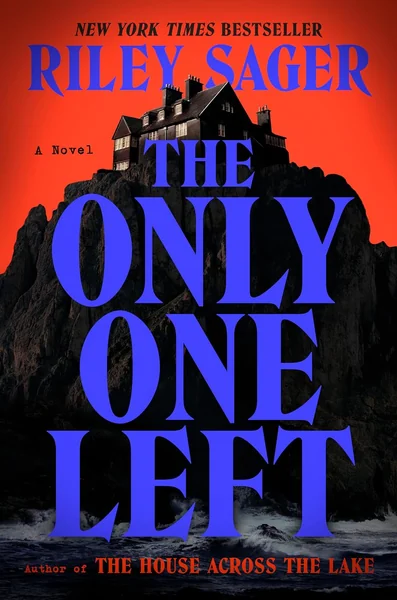
The Only One Left
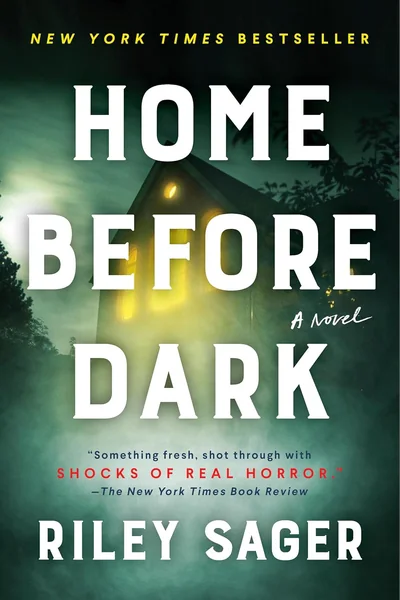
Home Before Dark
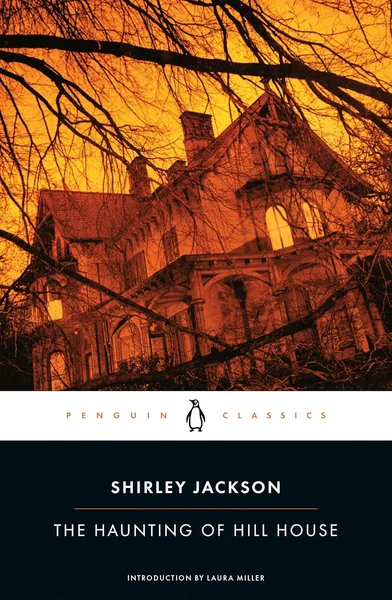
The Haunting of Hill House
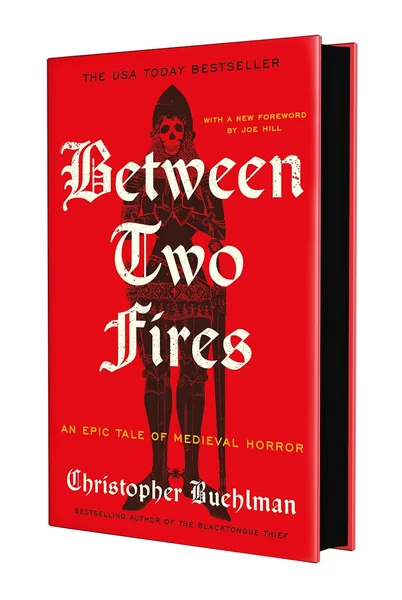
Between Two Fires
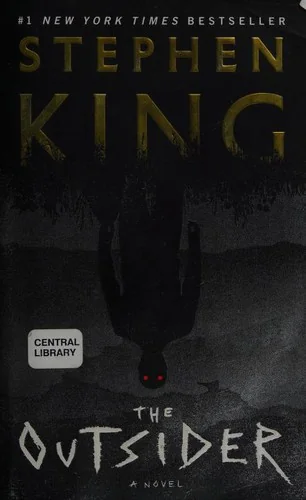
The Outsider
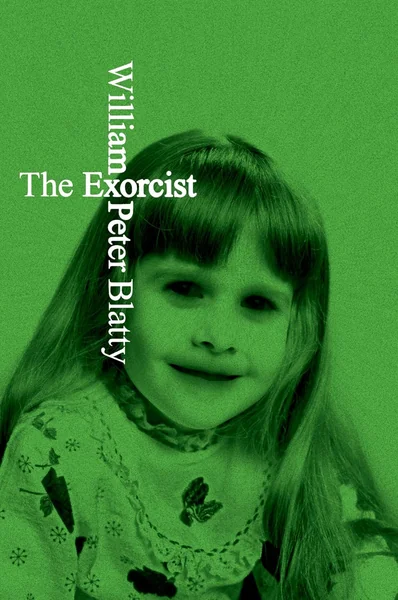
The Exorcist: A Terrifying Classic of American Horror
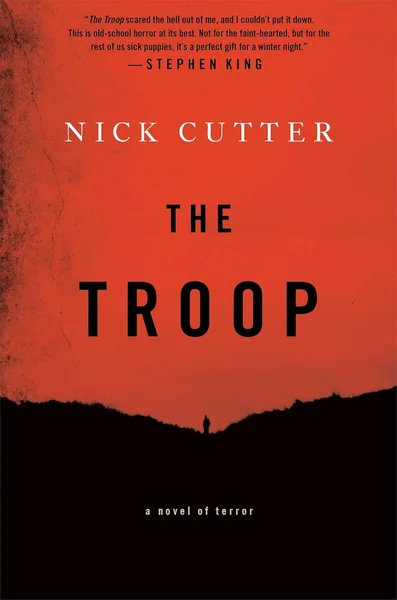
The Troop
Horror

13 Best Halloween Books: From Cosy Chills to Pure Terror

A Halloween reading list for adults and teens, ordered from gently spooky to genuinely frightening.

13 Books
4.4 Avg

There is something about October that makes even the most level-headed reader reach for a book with shadows on the cover. The nights draw in, candles earn their keep, and stories that might feel overwrought in July suddenly feel exactly right. This list of 13 Halloween reads has been ordered to take you gently into the dark — beginning with Terry Pratchett's comic warmth and building, one book at a time, toward the genuinely terrifying.

Along the way you will find gothic classics and YA fantasy, Victorian mystery, psychological horror, and novels that have disturbed readers for decades. Whether you want a story that raises the hairs on your arms or one that keeps you awake staring at the ceiling, there is an entry point here for you. Start where your nerves allow, and keep reading as far as you dare.

Featured Books

Carpe Jugulum
Miss Peregrine's Home for Peculiar Children
The Deathless Girls
The Hound of the Baskervilles
The Picture of Dorian Gray
One Dark Window
The Only One Left
Home Before Dark

+5 more

13
Books in Collection
4.4/5
Average Rating
Oct 23, 2026
Published
#1
Carpe Jugulum by Terry Pratchett - book cover

Carpe Jugulum

by Terry Pratchett

4.7/5

384 pages

Content notes: themes of assisted suicide and the ethics of dyi

The best vampire novel of the 1990s that nobody calls a vampire novel — mostly because Pratchett was too busy being funny and philosophically rigorous to announce himself. The premise is disarmingly simple: King Verence invites the Magpyr family to a royal naming ceremony, and an invitation, as every reader of vampire lore knows, is the key that lets them in. But the Magpyrs aren't cobwebbed Hammer Horror relics. They've conditioned themselves out of every weakness — garlic, holy water, daylight — making them genuinely difficult to stop and genuinely unsettling to spend time with. The title tells you everything: Carpe Jugulum, as Agnes Nitt works out, means "Go for the Throat." Arrayed against them are the Lancre witches and Mightily Oats, a priest whose faith is not performed certainty but real, painful doubt — and it's Oats who carries the novel's deepest argument about belief, goodness, and what it actually costs to stand against evil. This is Pratchett in a darker register than usual, and readers coming in expecting pure comic fantasy may find the philosophical weight a surprise. The full-cast audiobook, featuring Bill Nighy and Peter Serafinowicz, is a particularly good way in.
"Carpe Jugulum — that's 'Go for the Throat.'"
Level: Advanced
#2
Miss Peregrine's Home for Peculiar Children by Ransom Riggs - book cover

Miss Peregrine's Home for Peculiar Children

by Ransom Riggs

4.3/5

Ages 12+
382 pages

Content notes: on-page violent death of a grandparent · supernatural creatures preying on children

Miss Peregrine's Home for Peculiar Children by Ransom Riggs is one of those books that earns its bestseller status through a genuinely original idea: real found vintage photographs, woven into a YA fantasy narrative, give the story an eerie authenticity that no amount of prose alone could conjure. Jacob follows his grandfather's cryptic dying words to a Welsh island, a ruined orphanage, and a time loop endlessly replaying September 3, 1940 — and the peculiar children trapped inside it are made stranger and sadder by the actual antique photographs illustrating them. Worth picking up for the formal conceit if nothing else, though the plot mechanics of wights and hollowgasts can feel thin. Readers who want character depth over atmosphere may find the sequel better value.
Level: Intermediate
#3
The Deathless Girls by Kiran Millwood Hargrave - book cover

The Deathless Girls

by Kiran Millwood Hargrave

4.0/5

Ages 12+
272 pages

Content notes: slavery and captivity · psychological violence and coercion · cultural erasure and forced displacement

Before Dracula's brides were reduced to a few hypnotic paragraphs in Stoker's novel, they were someone. The Deathless Girls by Kiran Millwood Hargrave gives them back their names, their history, and their grief. Twin sisters Lil and Kizzy are seized from their Traveller community on the eve of Lil's divining ceremony and enslaved by a brutal Boyar — and the novel traces, with real tenderness and horror, the road that leads them toward Transylvania's darkest castle. Dracula himself barely appears; this is the women's story, and Hargrave keeps the focus on sisterhood, identity, and the way survival can reshape a person into something unrecognisable. The gothic atmosphere is thick and earned, and the central F/F romance between Lil and another enslaved girl, Mira, is written with genuine emotional care. Readers expecting bloodshed and action may find the pacing slow — this is a novel of dread and accumulating loss rather than conventional horror — but as a feminist reclamation of women long consigned to the margins, it's quietly fierce. Hargrave's prose, already celebrated in her younger fiction, finds a darker register here that suits the material well.
"A feminist origin story of sisterhood, fate and survival."
Level: Intermediate-Advanced
#4
The Hound of the Baskervilles by Arthur Conan Doyle - book cover

The Hound of the Baskervilles

by Arthur Conan Doyle

4.6/5

256 pages
Few novels have made a landscape feel as menacing as Doyle makes Dartmoor — the fog, the prehistoric ruins, the sense that something vast and hungry is circling just beyond the candlelight. The Hound of the Baskervilles works its magic by keeping Holmes at a remove for much of the story, leaving Watson as our eyes in genuinely forbidding terrain. That structural choice transforms what could have been a simple mystery into something closer to a gothic survival tale. The moors themselves become the real antagonist, their escaped convicts and shrouding mists every bit as threatening as any supernatural hound. Readers who need their mysteries to feel cosy may find the atmosphere almost too oppressive — Doyle commits fully to the dread. But for a Halloween read, that's precisely the point.
"Nothing is quite as it seems."
#5
The Picture of Dorian Gray by Oscar Wilde - book cover

The Picture of Dorian Gray

by Oscar Wilde

4.4/5

Ages 13+
304 pages

Content notes: moral corruption and manipulation · cruel emotional abuse of Sibyl Vane · implied off-page violence and murder

The Picture of Dorian Gray is one of those novels that gets under your skin in a way that straightforward horror rarely manages — not because of what it shows, but because of what it implies. Wilde's premise is deceptively simple: a beautiful young man wishes that his portrait ages in his place, leaving him free to pursue a life of unchecked hedonism while the canvas absorbs every sin. What follows is a slow, exquisite moral collapse, narrated in Wilde's most poisonously witty prose. Lord Henry Wotton, the aristocratic corruptor whispering hedonistic philosophy into Dorian's ear, is arguably the novel's true monster — all the more chilling for never quite doing anything obviously monstrous. The horror here is philosophical rather than visceral, which makes it perfect for readers ready to graduate from ghost stories to something that leaves a longer shadow. Those hoping for plot momentum should know the novel is more portrait than thriller — it lingers, and deliberately so.
"An archetypal tale of a young man who purchases eternal youth at the expense of his soul."
#6
One Dark Window by Rachel Gillig - book cover

One Dark Window

by Rachel Gillig

4.5/5

Adults / mature 16+
400 pages

Content notes: psychological possession and loss of bodily auto · state-sanctioned execution of magic users · gothic horror elements

Imagine spending your life hiding a passenger in your own mind — an ancient spirit called Nightmare who can seize control of your body at will and is slowly getting stronger. That's the situation facing Elspeth Spindle in One Dark Window, Rachel Gillig's atmospheric debut that earned devoted fans on BookTok for good reason. Set in a mist-locked kingdom where manifesting magic is punishable by death, the novel wraps genuine psychological unease inside a romantic fantasy framework — closer in spirit to Naomi Novik's Uprooted than to anything straightforwardly scary. Gillig's prose has real texture, and her magic system — built around twelve Providence Cards, each channelling a different power — is one of the more inventive setups in recent fantasy. Critics have flagged uneven pacing and a romantic subplot that follows a well-worn track, which is a fair warning; this won't surprise anyone seasoned in the genre. But for Halloween reading, its gothic atmosphere and the genuinely unsettling question of where Elspeth ends and Nightmare begins make it a satisfying, creepy-edged choice.
#7
The Only One Left by Riley Sager - book cover

The Only One Left

by Riley Sager

4.4/5

Adults
400 pages

Content notes: family mass murder · decades-old child-slaying accusation · Gothic-horror atmosphere in a decaying house

What if the only witness to a family massacre couldn't speak — and you were the one person she finally trusted? That's the trap Riley Sager sets in The Only One Left, and it's a good one. Caregiver Kit arrives at a crumbling Maine clifftop mansion to tend elderly Lenora Hope, who has spent decades as the prime suspect in a Lizzie Borden-style slaughter that wiped out her family in 1929. Lenora was never convicted. She was also never believed. The novel's real engine is the slow, uncomfortable question of whether Kit — and the reader — should believe her now. Sager structures the tension cleverly, layering Kit's present-day unease in the decaying house against Lenora's painstakingly reconstructed account of the night everything ended. It moves fast, the atmosphere is genuinely oppressive, and Kit is one of Sager's more compelling protagonists. Fair warning, though: the late-game twists require a certain willingness to go along for the ride. Readers who prefer their mysteries airtight may find the finale strains credulity. For Halloween-night pacing and a mansion that feels genuinely threatening, it earns its place on the list.
"a propulsive, atmospherically Gothic thriller that ranks among Riley Sager's most talked-about novels, even if its late twists ask more indulgence than some readers will grant"
#8
Home Before Dark by Riley Sager - book cover

Home Before Dark

by Riley Sager

4.3/5

416 pages

Content notes: murder and suicide · child death · supernatural horror and poltergeist activity

Home Before Dark is the rare haunted-house novel that earns its scares twice — once as a ghost story, once as a cold-case mystery. When Maggie Holt inherits Baneberry Hall, the sprawling Vermont estate her father made famous in a bestselling memoir about supernatural terror, she returns not as a believer but as a skeptic with a renovation plan. She was only five when the family fled; she remembers nothing. Her father's sensational account — the one that made him rich — could be pure fabrication. The novel's dual narrative, alternating between Maggie's present-day investigation and excerpts from her father's memoir, is what sets it apart from standard haunted-house fare. You're never quite sure whose version to trust, or whether the truth lies somewhere between ghost and human evil. The house's history — a murder-suicide, a Victorian lumber baron, a girl who vanished — feels genuinely layered rather than decorative. Some readers find the resolution a touch tidy, and the haunting elements are more psychological than viscerally frightening. But for an autumn evening read that keeps you second-guessing yourself, Sager's structural cleverness makes this one of his most satisfying novels.
#9
The Haunting of Hill House by Shirley Jackson - book cover

The Haunting of Hill House

by Shirley Jackson

4.1/5

208 pages

Content notes: psychological disintegration · existential dread and isolation

Every haunted-house novel written since 1959 lives in the shadow of this one. Shirley Jackson's The Haunting of Hill House is the standard against which the entire genre measures itself — and it holds. What makes it extraordinary isn't gore or jump-scare plotting but something quieter and more unsettling: the sense that Hill House isn't waiting to frighten its guests so much as selecting among them. Eleanor, lonely and quietly desperate before she ever arrives, is the one the house wants. Watching it get her is one of the most genuinely disturbing experiences available in literary horror. Named one of the Great American Novels of the Past 100 Years, this is essential reading, not merely seasonal reading. Those expecting a fast-paced thriller may find Jackson's psychological density demanding — the horror here is interior, cumulative, and deeply character-driven. Bring it to your Halloween candlelight and read the opening paragraph aloud. It will do the rest.
"a perfect work of unnerving terror"
#10
Between Two Fires by Christopher Buehlman - book cover

Between Two Fires

by Christopher Buehlman

4.6/5

Adults
448 pages

Content notes: graphic violence · sexual assault · on-page deaths of major characters

The most theologically fearless horror novel you've probably never read, Between Two Fires imagines the Black Death not as pestilence but as a deliberate weapon — Lucifer's opening gambit in a renewed war against Heaven. Christopher Buehlman's France is a country of mass graves and roaming demons, where God has apparently looked away and left his angels to manage alone. The story follows three beautifully unlikely pilgrims: Thomas, a disgraced brigand of a knight; Delphine, a young girl who sees angels with unnerving clarity; and Father Matthieu, an alcoholic priest cast out for loving another man. Their road from ruin to Avignon is the spine of the book — earthy, lyrical, and genuinely harrowing. This is not horror that uses plague as metaphor. The supernatural threat is literal, physical, and terrifying. If anything holds it back, it's the sheer relentlessness of the darkness — readers who need occasional relief should be warned. But for those who can hold steady, Buehlman delivers something rare: horror with genuine spiritual stakes.
"A novel of relentless darkness and theological audacity."
Level: Advanced
#11
The Outsider by Stephen King - book cover

The Outsider

by Stephen King

4.5/5

Adults / mature 16+
576 pages

Content notes: graphic child murder · on-page depiction of a mutilated child's body · suicide

King at his most procedurally gripping. The Outsider opens as a straightforward crime novel — a murdered child, a public arrest, damning forensic evidence — before pulling the rug out completely. The locked-room impossibility at its heart (how can one man's DNA be in two places simultaneously?) is genuinely unsettling, and Holly Gibney's appearance gives the investigation its real momentum. Ideal for readers who like their horror eased in through the back door of a police procedural. Not King's most frightening work, but possibly his most compulsively readable.
Level: Intermediate/Advanced
#12
The Exorcist: A Terrifying Classic of American Horror by William Peter Blatty - book cover

The Exorcist: A Terrifying Classic of American Horror

by William Peter Blatty

4.5/5

Adults
400 pages

Content notes: graphic depictions of a child's physical deterio · sustained psychological violence involving a min · demonic possession and occult imagery

Fifty-plus years on, The Exorcist remains the benchmark against which demonic horror is measured — and it earns that position honestly. William Peter Blatty's genius was structural: he built the novel from the ground up as a work of psychological and medical realism before the supernatural intrudes, so that by the time Regan MacNeil's deterioration becomes impossible to explain, you've already been convinced this is happening to a real child in a real Georgetown house. What the film couldn't fully convey is how much the novel is really about faith in crisis — Father Karras's grief for his dying mother, his intellectual estrangement from his priesthood, his terrible need to believe in something. Blatty drew on a documented 1949 possession case he encountered as a Georgetown student, and that grounding in real place and real event gives the horror unusual weight. It is genuinely frightening in a way that hasn't faded. Not for the squeamish, and absolutely not a candlelight-comfort read — save this one for the final stretch of the list, close to midnight, on 31 October itself.
Level: Advanced
#13
The Troop by Nick Cutter - book cover

The Troop

by Nick Cutter

4.1/5

Adults / mature 17+
368 pages

Content notes: graphic body horror and parasitic imagery · graphic violence involving minors · depictions of psychopathic behaviour in a child

Stephen King blurbed it. It won the inaugural James Herbert Award. And yet nothing quite prepares you for what The Troop actually delivers. Nick Cutter (the pen name of Canadian author Craig Davidson) takes a setup that sounds almost wholesome — five Boy Scouts and their scoutmaster on a remote island camping weekend — and dismantles it with surgical, stomach-turning precision. The horror arrives on the first night, when a skeletal stranger rows ashore and the scoutmaster makes the fatal mistake of letting him in. What follows involves parasites, starvation, a circling military helicopter, and a cast of teenagers who are distinctly not the plucky, resilient type. Shelley alone — described plainly as psychopathic — would unsettle any reader before the worms even enter the picture. This is body horror at its most relentless, closer to early Clive Barker than to campfire-story territory. Not every reader will make it to the end; there are scenes here that are genuinely difficult to push through, and those with a particular aversion to parasitic imagery should consider themselves warned. But for readers who want their Halloween genuinely frightened out of them, this earns its place at the very sharp end of the list.
"A genuinely unnerving piece of survival horror, The Troop earns its reputation as a modern horror classic on the strength of an unflinching premise."
Level: Advanced

Final Thoughts

The best thing about a Halloween reading list is that the season rewards slow, atmospheric reading — one chapter by candlelight before bed, the house quiet around you. Whether you stop at the gothic comfort of The Hound of the Baskervilles or push all the way through to The Troop, each of these books earns its place in an October night.

If you are new to horror, trust the order — it has been built to ease you in. If you are a seasoned reader of frightening fiction, jump straight to the deep end. Either way, the dark is more interesting with a good book in your hands. Happy Halloween.

Frequently Asked Questions

Start at the gentler end of this list. Carpe Jugulum by Terry Pratchett is funny and warm even as it skewers vampire tropes, while Miss Peregrine's Home for Peculiar Children offers atmosphere and adventure without being genuinely frightening. Both are ideal entry points for readers who want Halloween mood without sleepless nights.
Yes — several entries work well for confident teenage and young adult readers. Miss Peregrine's Home for Peculiar Children by Ransom Riggs is written squarely for a YA audience, and The Deathless Girls by Kiran Millwood Hargrave is a YA gothic novel, though its themes of violence and captivity make it better suited to older teens. Parents should use their judgement with titles from the midpoint of the list onwards.
That depends on what frightens you most. The Troop by Nick Cutter is the most viscerally, physically disturbing book on the list and is not for the faint-hearted. The Exorcist by William Peter Blatty is a close rival, delivering psychological and spiritual dread that has unsettled readers for fifty years. The Haunting of Hill House by Shirley Jackson is quieter but deeply unnerving in a way that lingers long after the final page.
One Dark Window by Rachel Gillig is the list's best answer to that question. It is a gothic romantic fantasy with a dark, atmospheric setting, a morally complicated love interest, and a brooding supernatural premise — ideal for readers who like their Halloween reads to carry an emotional charge alongside the chills.
Several. The Picture of Dorian Gray by Oscar Wilde is one of the great Gothic novels of the Victorian era, sharp and decadent in equal measure. The Hound of the Baskervilles by Arthur Conan Doyle remains a masterclass in suspense, and The Haunting of Hill House by Shirley Jackson is widely taught as a landmark of American literary horror.
Both The Only One Left and Home Before Dark are standalone psychological thrillers, so you can read either without prior knowledge of the other. Home Before Dark is the more contained and atmospheric of the two — a good starting point if you are new to Riley Sager. The Only One Left raises the gothic stakes further, making it a natural next step once you know his style.
13 Best Halloween Books: From Cosy Chills to Pure Terror | LuvemBooks