BOOKS
Published

Read Time

3 min read

Reader rating

4.1

· 15,349 Amazon ratings
reader ratings, not a LuvemBooks score
Curated & edited by

LuvemBooks Editorial

How we create our reviews →
Share This Review

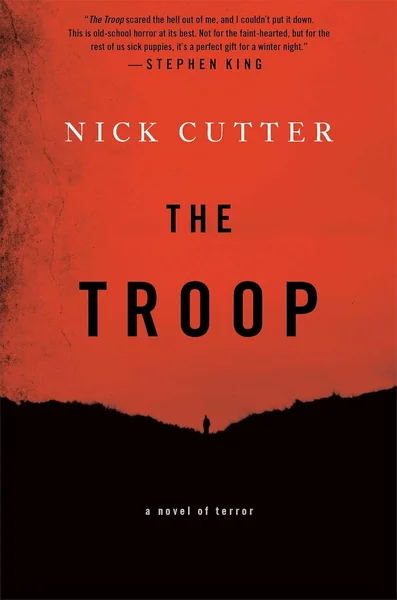
The Troop by Nick Cutter Review: Visceral, Award-Winning Horror Survival

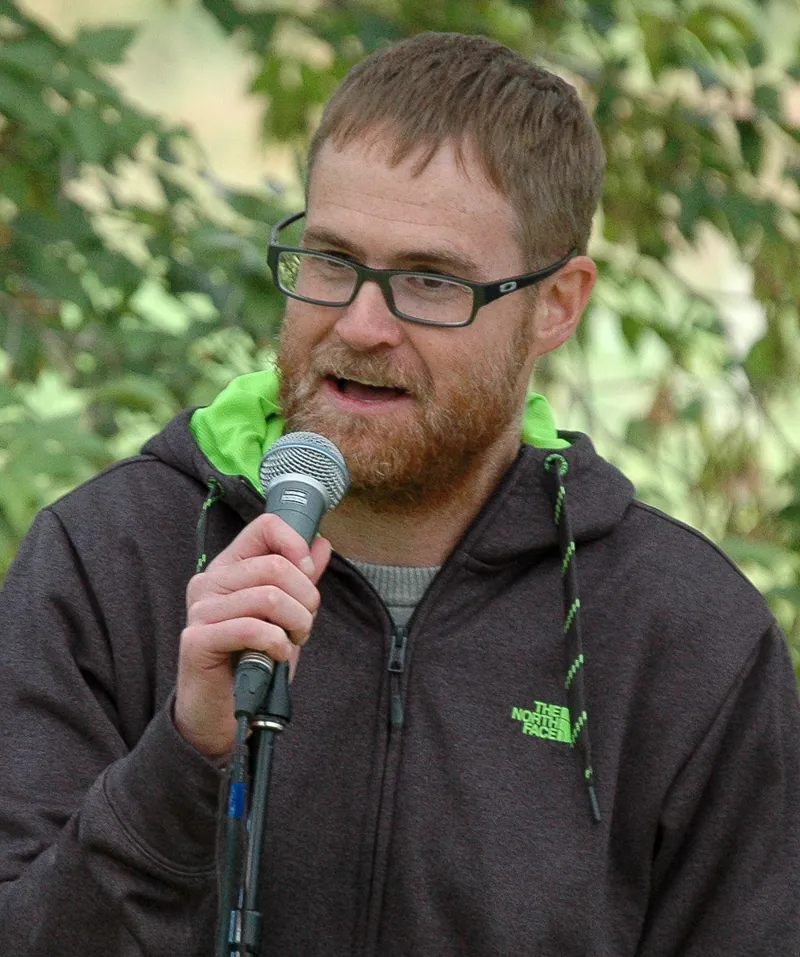
The Troop is a 2014 horror novel by Canadian author Craig Davidson, writing as Nick Cutter, that pits five Boy Scouts and their scoutmaster against a parasitic nightmare on a remote island — a debut that won the inaugural James Herbert Award for Horror Writing and drew a blurb from Stephen King himself.

LuvemBooks Verdict

Best for

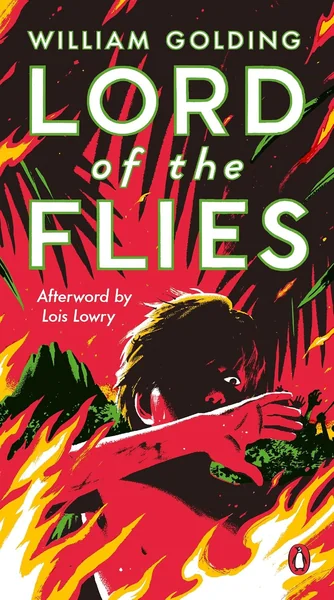
Readers who want unflinching, claustrophobic survival horror — particularly those who enjoy Lord of the Flies-style social collapse combined with extreme body horror and a genuinely irresolvable situation.

Worth it if

The premise of parasitic biological terror compounded by a psychopath loose within a sealed, adult-free group sounds like exactly the kind of layered, no-exit horror you're looking for.

Skip if

If you prioritise psychological depth or thematic resonance over visceral, graphic intensity, Tor.com's Niall Alexander's critique — that the novel ultimately relies on revulsion where something deeper is needed — is worth taking seriously before you commit.

Kirkus Reviews gave the novel an enthusiastic notice, writing that "some thrillers produce shivers, others trigger goose bumps; Cutter's graphic offering will have readers jumping out of their skins," and calling it "heart-pounding." Grimdark Magazine praised Cutter's calculated word choice and disturbing imagery, concluding that The Troop is "a prime and time-honored take on body horror" that proves "Nick Cutter is intimately aware of what triggers fear."

Cutter's graphic offering will have readers jumping out of their skins… heart-pounding. Readers may wish to tackle this novel in highly populated, well-lit areas.

Kirkus Reviews
Sources: Kirkus Reviews, Grimdark Magazine, Scariest Things, What Is Quinn Reading, Filthy Horrors
4.1from 15,349 Amazon ratings— reader ratings, not a LuvemBooks score

Look inside the book

Preview the actual pages, via Google Books
In This Review
  • What Works & What Doesn't
  • What the Novel Is and What Happens
  • Significance and Place in the Genre
  • Strengths: Premise, Structure, and Character Design
  • Genuine Limitations: Character Depth and the Revulsion Question
  • Who This Book Is For

What Works & What Doesn't

What Works
  • Won the inaugural James Herbert Award for Horror Writing, marking it as a standout in the genre
  • Stephen King called it 'old-school horror at its best' — one of the genre's most recognisable endorsements
  • The double-threat structure — parasitic outbreak combined with a psychopathic boy already within the group — creates layered, inescapable tension
  • The novel's use of extratextual documents (newspaper articles, interviews) gives the narrative a structurally ambitious, *Carrie*-influenced architecture
  • The cast of five scouts is deliberately differentiated, with each boy occupying a distinct social role that the isolated setting forces into sharp relief
What Doesn't
  • Tor.com's Niall Alexander argued the characters are broadly characterised and that the novel ultimately relies on revulsion where a deeper resonance is needed
  • Readers seeking psychological or thematic depth alongside the visceral horror may find the balance weighted too heavily toward graphic physical terror
A genuinely unnerving piece of survival horror, The Troop earns its reputation as a modern horror classic on the strength of an unflinching premise, a well-constructed cast, and a coveted endorsement from the genre's most recognisable name.

What the Novel Is and What Happens

Published on February 25, 2014, through Gallery Books, The Troop is a horror novel written by Canadian author Craig Davidson under the pen name Nick Cutter. The setup is deceptively contained: Scoutmaster Tim Riggs — the town physician, a single middle-aged man — leads five teenage boys on a weekend camping trip to the remote Falstaff Island. The group comprises Ephraim (known as Eef), a boy prone to violent outbursts; Max, his mild-mannered best friend; Newt, quiet and intellectually gifted; Kent, bold and domineering; and Shelley, described plainly in the record as deeply disturbed and psychopathic. On the first evening, a gaunt stranger arrives by motorboat. Tim allows him inside — and the horror begins almost immediately. The stranger vomits a sludge-like substance onto Tim, and when Tim and Max later open the stranger's abdomen, a giant white worm bursts free and kills the man outright. The island's spark plugs are already missing, a black military helicopter has been spotted circling overhead, and Tim begins to lose dangerous amounts of weight overnight. The group is, in every practical sense, sealed in.
The Troop scared the hell out of me, and I couldn't put it down. This is old-school horror at its best.

Significance and Place in the Genre

The novel won the inaugural James Herbert Award for Horror Writing — the prize named for the celebrated British horror author — making it the first title to claim that distinction. The book has also been compared, structurally and formally, to Stephen King's Carrie for its use of extratextual materials — newspaper articles, interviews, and similar documents woven alongside the narrative — a technique Davidson has cited as a direct inspiration. That comparison carries weight: King himself offered an unambiguous endorsement, quoted on record as saying, "The Troop scared the hell out of me, and I couldn't put it down. This is old-school horror at its best." Mira Grant, a New York Times bestselling author, called it "a bone-chilling spin on a classic horror scenario." The novel is additionally described in publisher materials as a nationally bestselling title, and it has been in development for a film adaptation.

Strengths: Premise, Structure, and Character Design

The novel's real mechanical achievement is the double threat it places its characters under. The tapeworm outbreak is the obvious engine, but the more insidious pressure is interior to the group: Shelley's psychopathy means that the boys face not only a biological catastrophe but a sociopath operating freely in their midst with no adult able to intervene. The construction of the five scouts is notably deliberate — each occupies a distinct social role, from Kent's aggressive bid for leadership to Newt's intelligence to Max's decency — and the wilderness setting enforces the kind of social compression that makes those distinctions matter. The novel's use of supplementary documents also gives the narrative an architectural quality, layering the story with retrospective accounts that deepen the dread rather than deflate it.

Genuine Limitations: Character Depth and the Revulsion Question

Not all critical reception has been warm. Niall Alexander, writing for Tor.com, compared the novel to Carrie but concluded that where King's book operates on a whisper of something deeper, The Troop "tries and I'm afraid fails to trade in" that register, with Alexander arguing that "Cutter must make do with revulsion, but it's no substitute, ultimately." He also described the characters as "broadly characterised." These are specific, sourced critiques worth weighing: readers who come to the novel hoping its horror will resonate beyond its visceral impact — who want the psychological or the elegiac alongside the grotesque — may find the balance tips too far toward physical revulsion. The novel's power is undeniable on its own terms; whether those terms satisfy is a matter of what a given reader wants from horror fiction.

Who This Book Is For

The Troop is designed squarely for readers who want horror that does not pull its punches — graphic, claustrophobic, and built around an almost irresolvable situation. The Lord of the Flies comparison that appears in publisher materials is apt in structural terms: a group of young people isolated from adult rescue, social order collapsing, a threat that is both external and internal to the group. Readers who enjoy that tradition of survival horror — with the additional dimension of biological terror — will find The Troop operating at the top of that register. Those with lower tolerance for extreme physical horror, or who prioritise psychological complexity over visceral intensity, should approach with calibrated expectations. As a winner of the James Herbert Award and a title that earned Stephen King's stated enthusiasm, it stands as one of the more significant horror debuts of the 2010s.

Sources & Further Reading

The key facts and claims in this review are grounded in the retrieved, verified sources listed below.

  1. Cited in this review
  2. 1
  3. 2
  4. Further reading
  5. 3
    Nick Cutter — author profileHigh-authority source

    Nick Cutter, Wikipedia

  6. 4
  7. 5
  8. 6
  9. 7
  10. 8
  11. 9
  12. 10
  13. 11
  14. 12
  15. 13
  16. 14