8 min read
4.0
· 745 Amazon ratingsShare This Review

Our review
The Deathless Girls
The Deathless Girls by Kiran Millwood Hargrave Review: A Fierce, Gothic Feminist Origin Story
The Deathless Girls is Kiran Millwood Hargrave's YA debut — a gothic feminist retelling of the origin of Dracula's brides, following twin sisters Lil and Kizzy, captured from their Traveller community on the eve of Lil's divining and enslaved by a cruel Boyar. Published by Orion Children's Books in 2019, it reimagines figures long reduced to the margins of Bram Stoker's Dracula as full, complex subjects of their own story of survival, love, and sisterhood.
LuvemBooks Verdict
Best for
YA readers drawn to lyrical, gothic feminist fiction who want a character-driven origin story exploring sisterhood, Traveller identity, and a F/F romance — rather than a horror-forward vampire thriller.
Worth it if
You're drawn to atmospheric, poetic prose and emotionally layered narratives that reclaim voiceless women from canonical texts and invest them with full inner lives.
Skip if
You're looking for a visceral, horror-forward vampire story with Dracula as a central menace — his role here is peripheral, and the pace prioritises mood and interiority over plot momentum.
What readers & critics say
Reviewer blogs and reader sites retrieved in our research consistently praise Hargrave's writing as beautiful and atmospheric: forthenovellovers.wordpress.com awarded it 4.5 stars, calling the opening "gripping," while dreamingofcats.wordpress.com described the story as "beautiful, lushly drawn" and confirmed that Dracula is deliberately not the focal point. Sifaelizabethreads.wordpress.com characterised the novel as proof that Hargrave "can write across age ranges and genres with constant flair and skill," and readersenjoyauthorsdreams.com praised its "gothic atmosphere" alongside writing described as "beautiful," noting the F/F romance as a particular strength.
Sources: forthenovellovers.wordpress.com, dreamingofcats.wordpress.com, sifaelizabethreads.wordpress.com, readersenjoyauthorsdreams.com, bookloverssanctuary.com, app.thestorygraph.comAsk LuvemBooks
Was this helpful?
- Is it worth reading?
- For readers drawn to atmospheric gothic fiction, feminist retellings, and lyrical prose, The Deathless Girls offers something genuinely distinctive in the crowded field of Dracula retellings. Author Louise O'Neill called it 'exquisitely written… Riveting, intoxicating, and utterly unputdownable,' praising Hargrave for finally investing 'Dracula's beleaguered brides with some feminist clout'; author Francesca Simon described it as 'a wonderful idea, brilliantly told.' The key caveat is that readers expecting visceral horror or a plot-driven vampire story will find the tone is psychological and the pace is deliberate — the novel prioritises mood and interiority over momentum. For its intended audience, however, it is a confident and emotionally resonant debut in the YA space.
- Similar books
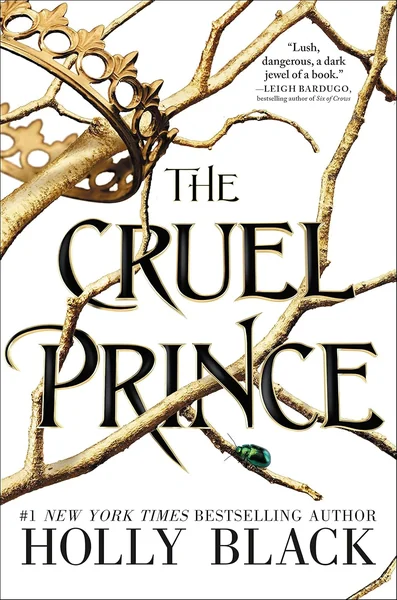
- Readers who enjoy The Deathless Girls tend to gravitate toward books that blend gothic atmosphere, feminist sensibility, and vivid historical settings. Angela Carter's The Bloody Chamber is a natural companion — a landmark collection of feminist fairy-tale retellings with a similarly dark, lyrical register. Madeline Miller's Circe takes a comparable approach to feminist mythological reclamation, giving a marginalised female figure from a canonical text her own full story. For readers drawn to the YA gothic and dark fantasy strand, Ransom Riggs' Miss Peregrine's Home for Peculiar Children and Holly Black's The Cruel Prince both deliver atmospheric worlds and strong-voiced protagonists. Hannah Kent's Burial Rites, with its bleak historical setting and focus on a woman condemned by forces beyond her control, shares the novel's preoccupation with survival and the erasure of women's stories.
- Who should read this?
- The Deathless Girls is marketed for readers aged 12–18 and sits squarely in the YA gothic and feminist retelling space. It is an especially strong match for readers who enjoy atmospheric, lyrical prose; character-driven stories centred on female relationships; and historical fantasy with a feminist architecture. Fans of Dracula retellings, myth and folklore, and LGBTQ+ narratives — specifically F/F romance — will find all of those threads woven into the novel. Readers who need fast-moving plot or visceral horror are less likely to be the ideal audience.
- What age is it for?
- Best for ages 12 and up. The Deathless Girls is published by Orion Children's Books and marketed for readers aged 12–18, and Hargrave's lyrical, fairy-tale prose style is well suited to confident readers in that range. The novel's subject matter — the capture and enslavement of two sisters, psychological darkness, and themes of violence and displacement — is handled atmospherically rather than graphically, making it appropriate for the YA audience for which it was designed.
- About Kiran Millwood Hargrave
- Kiran Millwood Hargrave is the author of The Deathless Girls, a young adult novel that reimagines the Dracula mythos through the perspective of the vampire women in Bram Stoker's original tale. The book blends gothic atmosphere with feminist themes.
- What are the deeper themes?
- Beneath the gothic atmosphere, The Deathless Girls is a multi-layered examination of survival — the survival of love, loyalty, sisterhood, and hope under conditions designed to destroy all of them. The novel uses the erasure of Lil and Kizzy's Traveller community as a lens through which to explore the violence of displacement and the persistence of identity, drawing deliberate parallels between Travellers and Settlers, and between the enslaved and the powerful. As Hargrave's own site frames it, the book holds 'a mirror into the world of Dracula, but in which we see our own world reflected back' — making its feminist architecture structural rather than decorative, and investing fully in the inner lives and agency of characters Stoker's original rendered voiceless.
- What's the writing style like?
- Hargrave's prose in The Deathless Girls is lyrical, atmospheric, and fairy-tale in cadence — widely praised as the novel's defining quality. Author Louise O'Neill described it as 'exquisitely written,' and the Hachette summary credits Hargrave's 'exquisitely poetic writing' with giving the gothic world of Transylvania its particular texture. Critically, the lyrical register serves as a deliberate contrast to the brutality of the novel's premise — the enslavement of Lil and Kizzy — giving the book an emotional depth that extends beyond genre convention. Readers who relish immersive, mood-driven prose will be in their element; those who prioritise plot momentum may find the style sets a slower pace.
Summarize this book
Follow up
Synthesized from verified book data & published reviews · How we review
What would you like to know about The Deathless Girls?
Answers come from our editorial notes on this book. If we haven't covered something, we'll say so.
Readers often ask
Our Review
This review covers the book's content, premise and published critical reception, not a first-hand reading.
What the Book Is and What It Does
Its Place in the Genre and Hargrave's Career
Strengths: Voice, Atmosphere, and Feminist Architecture
Thematic Depth and What It's Really About
Who It's For and Where It Falls Short
Sources & Further Reading
The key facts and claims in this review are grounded in the retrieved, verified sources listed below.
- Cited in this review
- 1
ashleighmeikle.com.au
- 2
- 3
- Further reading
- 4
Kiran Millwood Hargrave, LuvemBooks
- 5
- 6
goodreads.com
Age & Reading Level
Recommended age
Ages 12–18
Reading level
Young adult
Tropes
From how readers and romance sites describe it, not our own reading.
3 content notes · who it suits
Content to know about
Best for: Ages 12+ — YA-marketed text with gothic themes of captivity, enslavement, and displacement; lyrical prose and psychological complexity suit confident readers in the 12–18 range.
Skip if you're looking for a visceral, horror-forward vampire story with Dracula as a central menacing presence.
Reader reviews
Be one of the first readers to answer.
Read it? Was it right for you?
Books like The Deathless Girls
Curated picks for readers who enjoyed The Deathless Girls, with our reasoning for each match.

If you liked The Deathless Girls