At a glance

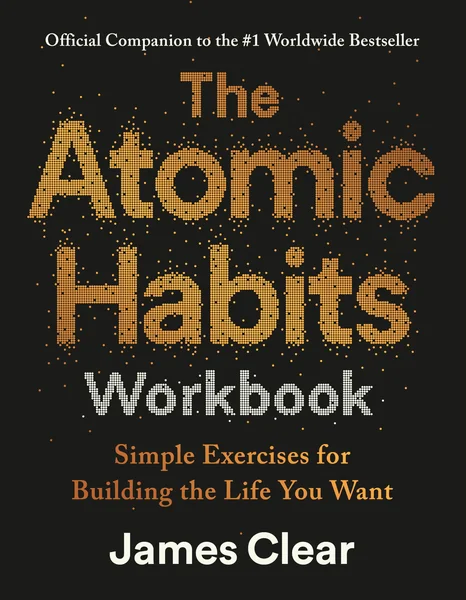
The Atomic Habits Workbook
by James Clear
LuvemBooks Verdict
Best for: Readers who have already absorbed Atomic Habits and want a structured, hands-on system — with templates, journaling prompts, and habit-tracking guides — to actively implement James Clear's Four Laws of Behavior Change in their daily life.
Worth it? Skip it? Read the full verdict →Ask LuvemBooks
Was this helpful?
- Is it worth reading?
- For readers who have already absorbed Atomic Habits and want a structured, guided system for putting Clear's Four Laws of Behavior Change into daily practice, the workbook delivers real value — it covers habit tracking, habit stacking, journaling prompts, plateau strategies, and life-adaptation plans, and it introduces genuinely new material around the role of fun in habit formation. Barnes & Noble calls it "a must-have for anyone looking to transform their habits in a self-reflective way," and its provenance as Clear's own extension of his framework (rather than a third-party interpretation) gives it credibility. The key caveat is that it is a companion, not a standalone: readers unfamiliar with the Four Laws may find the exercises less coherent without the conceptual scaffolding the original book provides, and those seeking new research or expanded theory will find the prompt-and-template format is designed for doing, not reading.
- Similar books
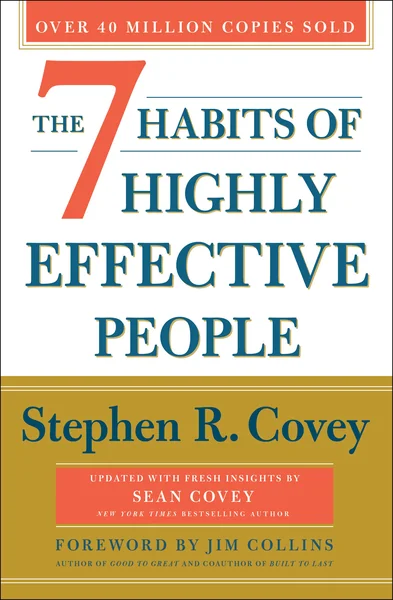
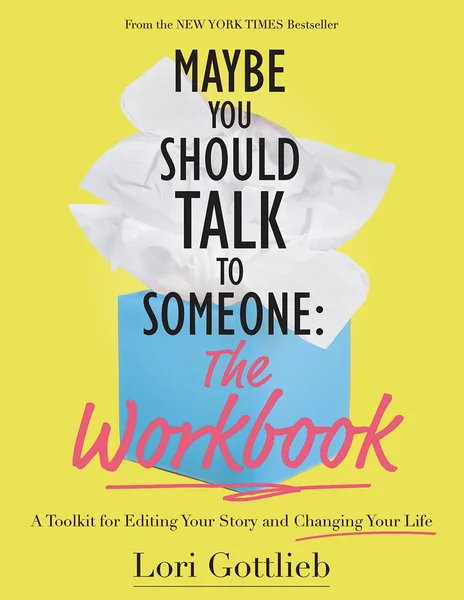
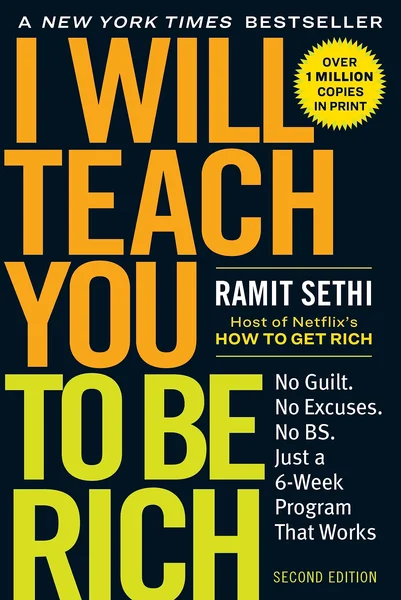
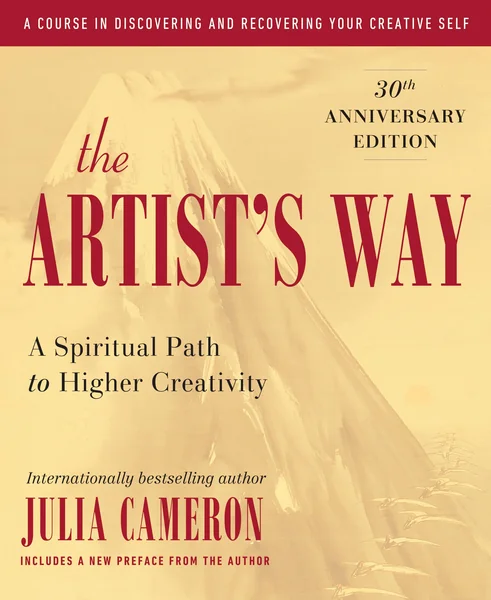
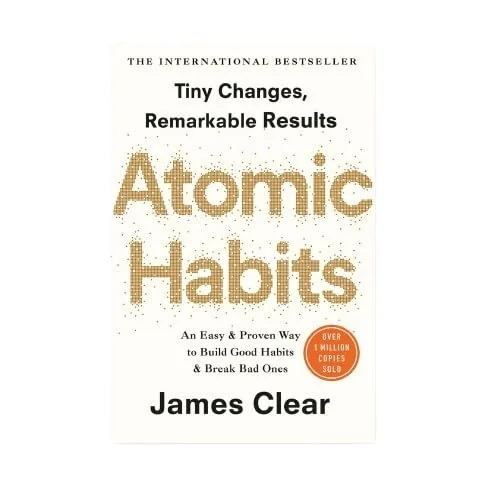
- Readers drawn to The Atomic Habits Workbook will find strong companions in the curated titles below. The natural starting point is Atomic Habits by James Clear itself — the #1 New York Times bestseller that provides the Four Laws of Behavior Change framework the workbook is built on. For another workbook-style companion to a bestselling self-help title, Maybe You Should Talk to Someone: The Workbook by Lori Gottlieb offers a similarly structured, exercise-driven format. The 7 Habits of Highly Effective People by Stephen R. Covey is a landmark framework-driven self-help classic that pairs well with Clear's identity-based approach, while The Artist's Way by Julia Cameron shares the workbook's emphasis on journaling prompts and structured weekly practice for personal development. I Will Teach You to Be Rich by Ramit Sethi rounds out the set for readers who want the same actionable, system-building sensibility applied to personal finance.
- Who should read this?
- The workbook is best suited for readers who have already read Atomic Habits and want a structured, hands-on system for translating Clear's Four Laws of Behavior Change into daily practice. Barnes & Noble specifically frames it as "a must-have for anyone looking to transform their habits in a self-reflective way," making it particularly valuable for self-directed learners who thrive with journaling, templates, and guided exercises. It is less well-suited for those new to Clear's framework (who would benefit from reading Atomic Habits first) or for readers seeking new research, expanded theory, or narrative content — the format is built for doing, not reading.
- About James Clear
- Born in 1986 and raised in Hamilton, Ohio, James Clear has transformed from a college baseball team captain at Denison University into one of America's most influential voices on personal development. His "3-2-1" newsletter reaches more than 3 million subscribers weekly, and Atomic Habits has sustained its position as a #1 worldwide bestseller, selling 25 million copies worldwide.
- How does this compare to Atomic Habits?
- Where Atomic Habits presents Clear's system for building good habits and breaking bad ones through the Four Laws of Behavior Change, The Atomic Habits Workbook is designed to translate that framework into direct, personal action through templates, prompts, and exercises. The workbook is not a restatement — it introduces genuinely new material, including Clear's thinking on the role of fun in habit formation, that does not appear in the original book. Barnes & Noble describes it as expanding on, rather than simply repackaging, Atomic Habits. The relationship is explicitly that of companion to source: the original book provides the conceptual scaffolding; the workbook provides the tools for living it.
- What is habit stacking?
- Habit stacking, as described in the context of the workbook, is the practice of linking a new habit to an existing one — using a behavior already embedded in your routine as the trigger for a new behavior you want to build. It is one of the core tools covered in The Atomic Habits Workbook, which provides guided templates specifically for designing and implementing habit stacks. The concept originates in James Clear's Four Laws of Behavior Change framework introduced in Atomic Habits.
Summarize this book
Follow up
Synthesized from verified book data & published reviews · How we review
Press Enter to ask. Answers come from our editorial Q&A — start typing to see related questions.
Age & Reading Level
Recommended age
Adult
Reading level
Adult
who it suits
Skip if you're looking for new habit-science research, expanded theory, or narrative content rather than a structured exercise-and-template format.
Editorial Review
Published by Avery in December 2025, The Atomic Habits Workbook is the official interactive companion to James Clear's #1 New York Times bestseller Atomic Habits, designed to move readers from understanding Clear's habit-formation framework to actively applying it through guided exercises, journaling prompts, and tracking templates. Its value rests on practical application, and this review assesses its content and design intent based on published sources rather than hands-on use.
Read the Full ReviewBooks like The Atomic Habits Workbook
Curated picks for readers who enjoyed The Atomic Habits Workbook, with our reasoning for each match.
If you liked The Atomic Habits Workbook