At a glance
LuvemBooks Verdict
Best for: Readers who loved and heavily annotated the original Maybe You Should Talk to Someone memoir and want a structured, narrative-driven workbook to actively apply its therapeutic concepts — particularly those drawn to journaling-style self-reflection, book clubs, or therapists seeking a supplemental client resource.
Worth it? Skip it? Read the full verdict →Ask LuvemBooks
Was this helpful?
- Is it worth reading?
- For readers who found themselves underlining passages in the original memoir — especially those drawn to Gottlieb's core argument that changing the stories we tell about ourselves can change our lives — the workbook offers genuine, structured value. Its primary strength is the use of the memoir's real patient stories, particularly John and Charlotte, as anchoring examples within exercises, giving the prompts a narrative texture uncommon in self-help workbooks. However, readers unfamiliar with the original memoir may find those patient references less emotionally resonant, and those seeking a clinical, evidence-based manual will find the format more meditative and story-centered than prescriptive.
- Similar books
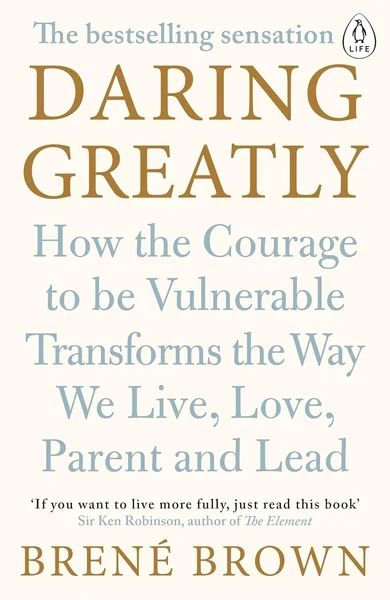
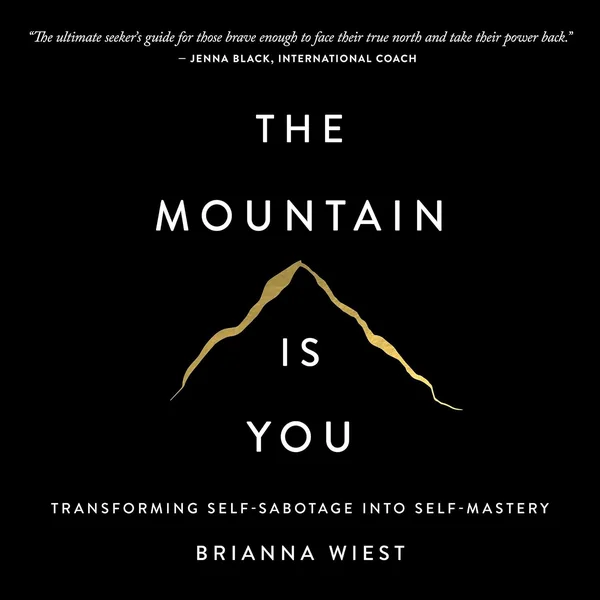
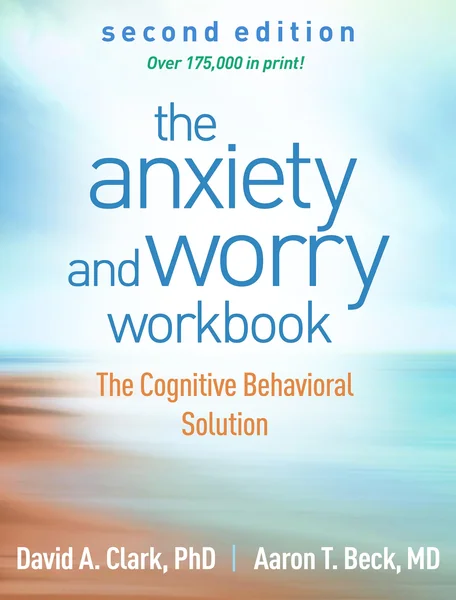
- Readers who connect with this workbook's introspective, empowerment-focused approach may also appreciate Brené Brown's Daring Greatly, which shares a similar emphasis on vulnerability and personal narrative, and Brianna Wiest's The Pivot Year, a reflective, meditative guide for readers navigating personal transition. For those drawn to the structured workbook format specifically, The Anxiety and Worry Workbook: The Cognitive Behavioral Solution by David A. Clark and Aaron T. Beck offers a more clinically grounded counterpart, while The Mindful Way through Depression by Mark Williams, John Teasdale, Zindel Segal, and Jon Kabat-Zinn blends therapeutic concepts with guided practice. Julia Cameron's The Artist's Way: 30th Anniversary Edition offers a comparable journaling-and-exercise framework for those seeking narrative self-reinvention.
- Who should read this?
- The workbook's natural audience is readers who have already engaged with Gottlieb's original memoir — particularly those drawn to her central argument that changing the stories we tell about ourselves can change our lives. It is also well-suited for book clubs reading the memoir together, therapists seeking a supplemental client resource, and anyone navigating a period of personal transition who wants a structured, narrative-driven approach to self-examination. Readers who prefer a purely clinical self-help manual or evidence-based technique breakdowns will find the format more meditative and story-centered than prescriptive.
- About Lori Gottlieb
- Lori Gottlieb is an American writer and psychotherapist.
- What are the main themes?
- The workbook's central theme is personal narrative and self-authorship — specifically the idea that understanding and revising the stories we tell about ourselves is the key to meaningful change. It draws on concepts from Gottlieb's original memoir, using the real patient stories of John, Charlotte, and others to explore themes of self-examination, empathy, and transformation. The framework positions readers as editors of their own stories, asking them to identify which narratives to keep and which to revise in pursuit of personal growth.
- How does this compare to the original memoir?
- The original memoir, Maybe You Should Talk to Someone: A Therapist, Her Therapist, and Our Lives Revealed, is a narrative work that earned a starred Kirkus review, was named one of Kirkus's Best Books of 2019, and reached the New York Times bestseller list for Hardcover Nonfiction. The workbook is not a condensed version or sequel — it is a purpose-built companion that transforms the memoir's therapeutic concepts and patient stories into interactive exercises and writing prompts. Where the memoir is a reading experience, the workbook is designed to function simultaneously as 'an experience, a meditation, and a practical toolkit combined into one,' as described on lorigottlieb.com.
Summarize this book
Follow up
Synthesized from verified book data & published reviews · How we review
Press Enter to ask. Answers come from our editorial Q&A — start typing to see related questions.
Age & Reading Level
Recommended age
Adult
Reading level
Adult
who it suits
Skip if you want a clinically structured, evidence-based therapeutic manual rather than a narrative-driven, journaling-style self-reflection guide.
Editorial Review
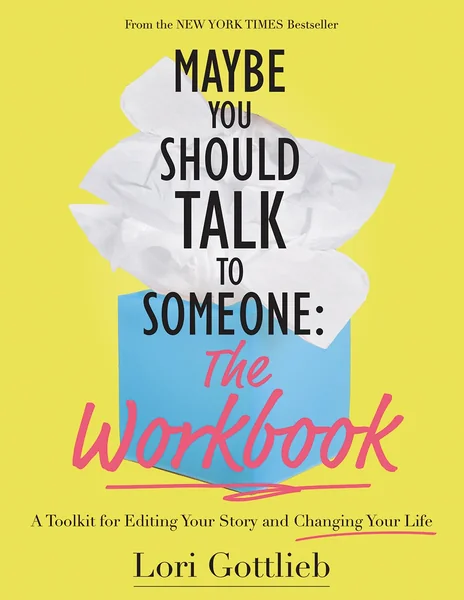
Published by PESI Publishing in November 2021, Maybe You Should Talk to Someone: The Workbook is a companion workbook by Lori Gottlieb, designed to extend the therapeutic framework of her New York Times bestselling memoir into a structured, interactive self-help guide — built around exercises, writing prompts, and concepts drawn from the original book's patient stories.
Read the Full ReviewBooks like Maybe You Should Talk to Someone
Curated picks for readers who enjoyed Maybe You Should Talk to Someone, with our reasoning for each match.
If you liked Maybe You Should Talk to Someone