At a glance
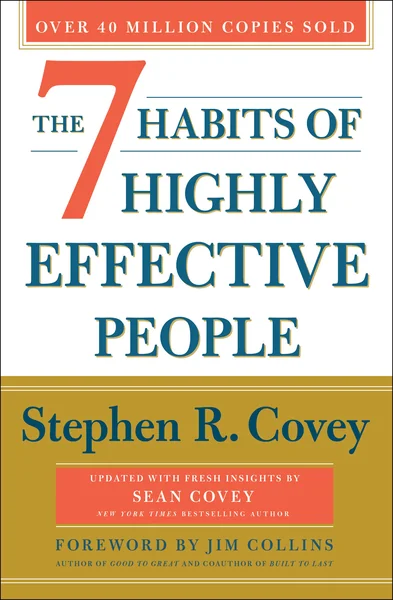
The 7 Habits of Highly Effective People
LuvemBooks Verdict
Best for: Professionals, managers, or motivated self-improvers who want a cohesive, principle-grounded framework for personal and interpersonal effectiveness — and are willing to invest patience in a dense, philosophically serious read rather than a quick-fix checklist.
Worth it? Skip it? Read the full verdict →Ask LuvemBooks
Was this helpful?
- Is it worth reading?
- For readers willing to invest in a dense, philosophically grounded 464-page framework, The 7 Habits of Highly Effective People offers a structural rigor and intellectual depth that few self-help books match — the Frankl-rooted treatment of proactivity alone gives it an anchor uncommon in the genre. Its cultural durability is borne out by decades of organizational and academic use of tools like the win/win paradigm and the time-management priority quadrant, and by its designation as the #1 Most Influential Business Book of the Twentieth Century. However, LuvemBooks flags that readers seeking quick, actionable takeaways will find Covey's discursive, anecdote-heavy style laborious, and those who prefer a secular or purely strategic approach to productivity may find the book's strong moral and character-ethic vocabulary a poor fit.
- Who should read this?
- The 7 Habits of Highly Effective People is best suited to adult readers who are willing to engage with a philosophically grounded, 464-page framework and who are drawn to the idea that lasting personal change flows from character and principle rather than technique or social image. It will resonate most strongly with those in organizational or professional leadership contexts, given the corporate framing of several later habits. Readers whose goals center on creative, caregiving, or community-focused lives rather than traditional professional leadership may find some of the interdependence habits less directly applicable, and those who prefer a secular or purely strategic approach to productivity are likely to find the book's strong moral register a friction point.
- Similar books
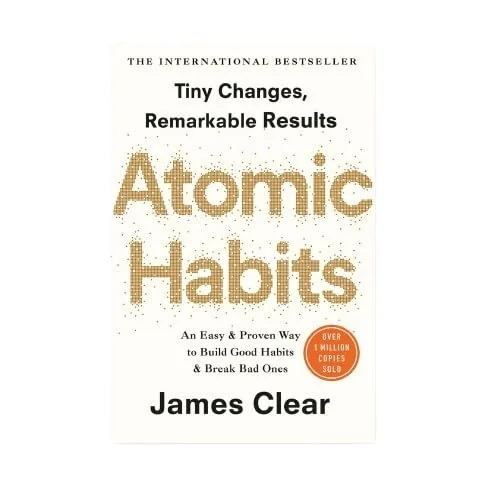
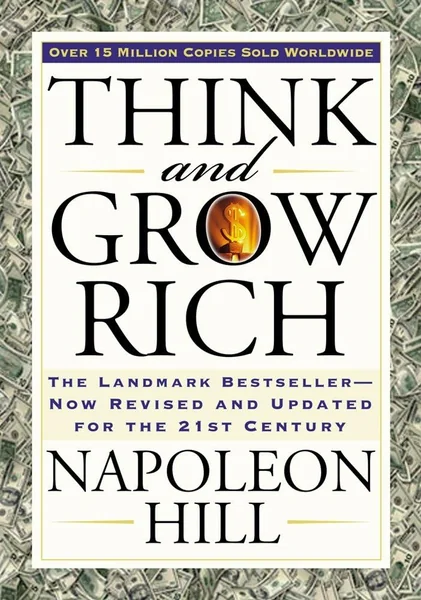
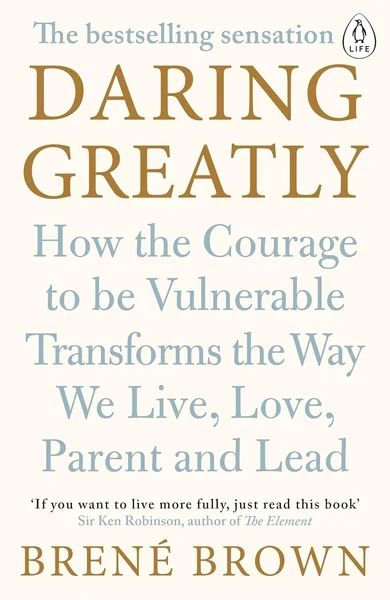
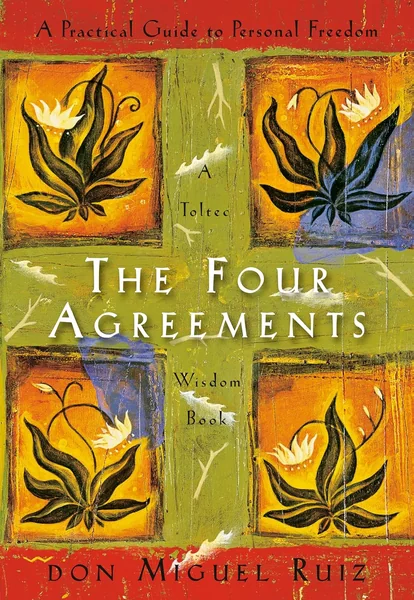
- Readers drawn to The 7 Habits of Highly Effective People will find strong overlaps with several other landmark personal-development titles. Atomic Habits by James Clear offers a complementary but more mechanistic approach to behaviour change, grounded in habit-loop science rather than character philosophy. Think and Grow Rich by Napoleon Hill shares the genre's foundational ambition and has a similarly towering legacy. The Four Agreements by Don Miguel Ruiz and The Courage to Be Disliked by Ichiro Kishimi and Fumitake Koga both engage with personal agency and self-improvement from philosophical angles that will appeal to readers who appreciated Covey's depth. Daring Greatly by Brené Brown and The Let Them Theory by Mel Robbins round out the shelf for readers interested in interpersonal effectiveness and personal empowerment.
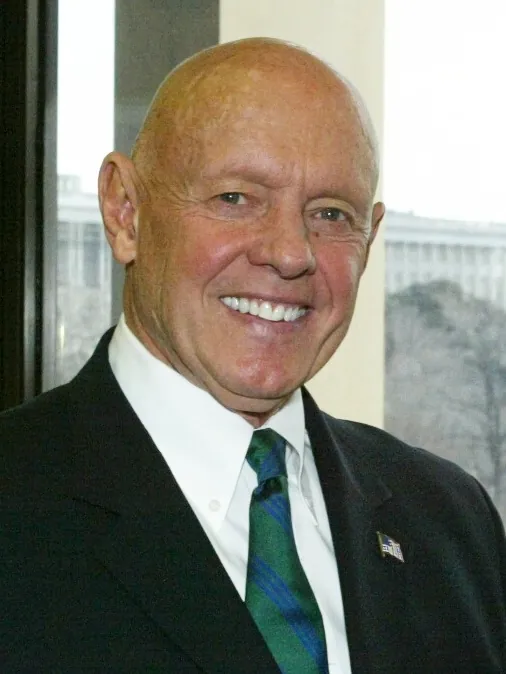
- About Stephen R. Covey
- Stephen Richards Covey was an American educator, author, businessman, and speaker.
- What are the main themes?
- The book's central theme is the primacy of character over technique — Covey argues that lasting personal change must be rooted in the character ethic (principles like fairness, integrity, honesty, and human dignity) rather than the personality ethic (a superficial focus on social image and behavioral shortcuts). Personal agency is a second major theme, explored through Covey's Frankl-rooted argument that between stimulus and response lies the human freedom to choose. The book also develops themes of interdependence — the idea that mature effectiveness requires not just self-mastery but the capacity to build mutually beneficial relationships — embodied in the win/win paradigm and the habits addressing collaboration and communication. Continuous renewal and the 'upward spiral' model of conscience and progressive mastery form the final thematic layer, captured in the seventh habit.
- What's the reading level?
- The 7 Habits of Highly Effective People is written for an adult audience. Covey's discursive, anecdote-heavy style and philosophically grounded argumentation — including engagement with Viktor Frankl's ideas on human agency — make it a demanding read that rewards patience and prior comfort with non-fiction prose. The review notes that the core ideas can take considerable time to emerge from their scaffolding, which means confident adult readers will get the most out of it; younger readers may find Sean Covey's The 7 Habits of Highly Effective Teens a more appropriate adaptation of the same framework.
Summarize this book
Follow up
Synthesized from verified book data & published reviews · How we review
Press Enter to ask. Answers come from our editorial Q&A — start typing to see related questions.
Age & Reading Level
Recommended age
Adult
Reading level
Adult
who it suits
Skip if you want quick, tactical self-help advice or prefer a secular, strategy-first approach to productivity free of moral and character-ethic framing.
Editorial Review
First published in 1989 and reissued in an anniversary edition by Simon & Schuster, Stephen R. Covey's The 7 Habits of Highly Effective People is a foundational business and self-help book that has sold over 40 million copies and was named the #1 Most Influential Business Book of the Twentieth Century — a record that makes it one of the most consequential works in its genre.
Read the Full ReviewBooks like The 7 Habits of Highly Effective People
Curated picks for readers who enjoyed The 7 Habits of Highly Effective People, with our reasoning for each match.
If you liked The 7 Habits of Highly Effective People