At a glance
LuvemBooks Verdict
Best for: Anyone who feels creatively blocked, underutilised, or disconnected from a practice they once valued — regardless of whether they identify as a professional artist — and who is open to a structured, spiritually inflected twelve-week program for psychological and emotional unblocking.
Worth it? Skip it? Read the full verdict →Ask LuvemBooks
Was this helpful?
- Is it worth reading?
- For readers who feel creatively blocked, underutilized, or disconnected from a practice they once valued, The Artist's Way offers something rare in the self-help genre: genuine cultural longevity and documented, large-scale reader enthusiasm. Its week-by-week architecture provides a concrete container for creative recovery, and its core tools — Morning Pages and the Artist Date — have achieved widespread real-world adoption, recognized by outlets including Vogue. The key caveat is that the program is built on spiritual concepts including a Higher Power, and its emphasis falls entirely on psychological and emotional unblocking rather than craft or technique instruction — readers who come expecting the latter, or who are resistant to any spiritual framing, may find the experience misaligned with their expectations.
- Similar books
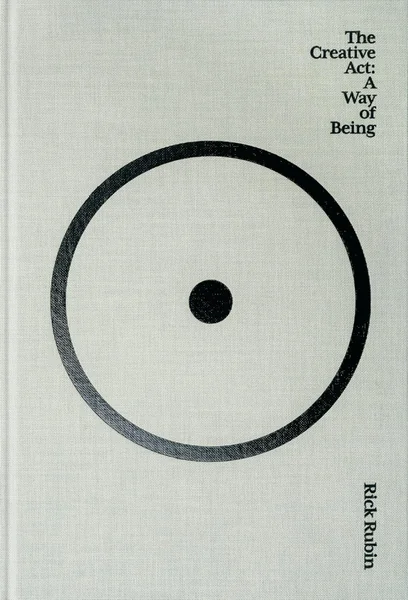
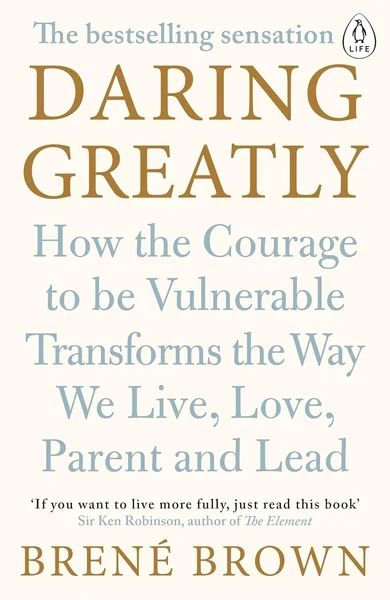
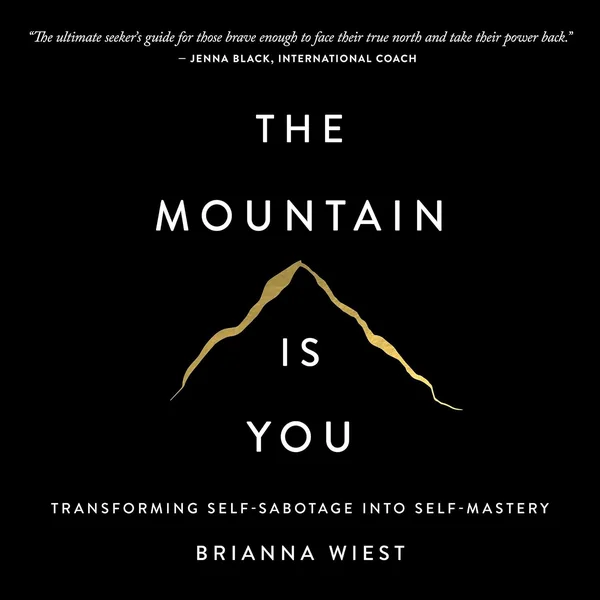
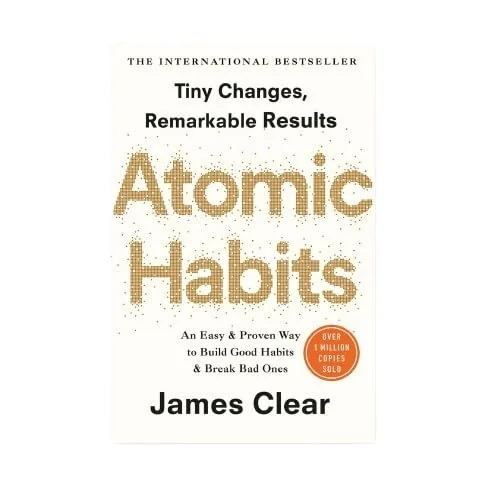
- Readers drawn to The Artist's Way's focus on creative self-examination and emotional unblocking will find a strong companion in Rick Rubin's The Creative Act: A Way of Being, which explores creativity as a way of engaging with the world rather than a set of technical skills. Brené Brown's Daring Greatly addresses the vulnerability and fear of judgment that Cameron also targets, making it a natural pairing for readers working through creative or personal blocks. For those responding to the program's emphasis on daily habits and incremental change, James Clear's Atomic Habits offers a practical, evidence-based framework for building and sustaining new practices. Brianna Wiest's The Pivot Year speaks to readers navigating periods of personal transformation and stagnation — a core audience for Cameron's program as well. Julia Cameron's own follow-up volume The Vein of Gold extends her creative recovery work for readers who want to continue beyond the twelve-week program.
- Who should read this?
- The Artist's Way is designed for anyone who feels creatively blocked, underutilized, or disconnected from a practice they once valued — regardless of professional background or artistic discipline. The program explicitly addresses blocked writers, visual artists, and musicians, but it has also found sustained readership among teachers, executives, parents, and anyone navigating a period of personal or vocational stagnation. It is not a craft or technique guide, so readers seeking specific disciplinary instruction should look elsewhere; it is, precisely and by design, a program for psychological and emotional unblocking.
- About Julia Cameron
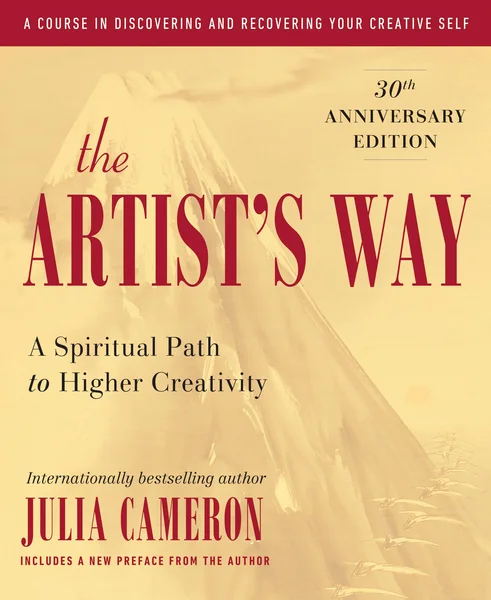
- Julia B. is the author of The Artist's Way: 30th Anniversary Edition.
- What are the main themes?
- The Artist's Way centers on the themes of creative recovery, psychological unblocking, and the democratization of creativity. Cameron addresses specific pressure points including creative jealousy, fear of judgment, and internalized criticism — treating these not as fixed personality traits but as blocks that can be dissolved through structured practice. A spiritual dimension runs throughout: Cameron frames creativity as connected to a Higher Power (left deliberately open to individual definition), positioning the creative act as something larger than personal ambition. The book's quieter argument, captured in Cameron's own line — "Fame will come to some. Honor will visit all who work" — is that the creative life has dignity independent of recognition or professional success.
- Who has this book influenced?
- The Artist's Way is credited with inspiring the work of writers including Elizabeth Gilbert, and its core practices have been adopted in classrooms, therapy practices, and informal reading groups worldwide. Morning Pages in particular have achieved such broad cultural adoption that Vogue cited them as "a household name, a shorthand for unlocking your creative potential." The book's influence extends well beyond the literary world — it has shaped how teachers, therapists, and creative communities structure the ongoing work of creative recovery.
Summarize this book
Follow up
Synthesized from verified book data & published reviews · How we review
Press Enter to ask. Answers come from our editorial Q&A — start typing to see related questions.
Age & Reading Level
Recommended age
Adult
Reading level
Adult
who it suits
Skip if you're looking for craft or technique instruction in a specific artistic discipline, or you're unwilling to engage with a spiritually framed framework.
Editorial Review
Over four million copies sold and still expanding its reach three decades on, Julia Cameron's The Artist's Way remains the defining self-help guide for anyone seeking to recover, unlock, or deepen their creative life — a structured twelve-week program built on the conviction that creativity is not a rarified gift but a universal human capacity.
Read the Full ReviewBooks like The Artist's Way
Curated picks for readers who enjoyed The Artist's Way, with our reasoning for each match.
If you liked The Artist's Way