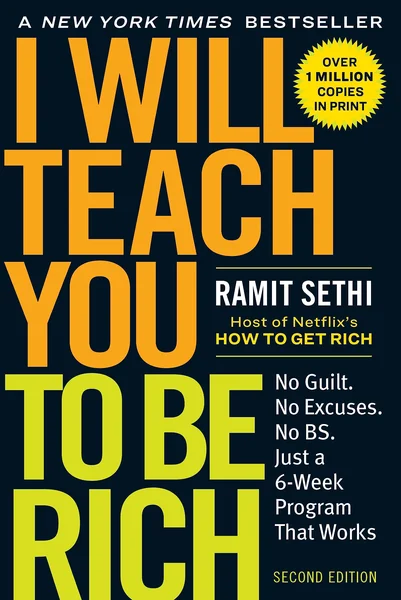
I Will Teach You to Be Rich: No Guilt. No Excuses. Just a 6-Week Program
by Ramit Sethi
At a glance
LuvemBooks Verdict
Best for: Young adults who are new to managing money and want a structured, action-oriented program that builds an automated financial system from the ground up — with minimal prior knowledge required.
Worth it? Skip it? Read the full verdict →Preview the book
Ask LuvemBooks
Was this helpful?
- Is it worth reading?
- For young adults new to managing money, I Will Teach You to Be Rich earns its reputation as one of the most widely recommended entry points into practical personal finance. Its six-week structure removes the paralysis of not knowing where to start, its anti-guilt framing sidesteps the shame-driven register common in the genre, and its emphasis on automation means the system keeps working after the reader closes the book. The caveats are real, however: readers already past the foundational stage, or those who want depth in areas like taxes, estate planning, or advanced portfolio construction, will find the program's scope limited.
- Similar books
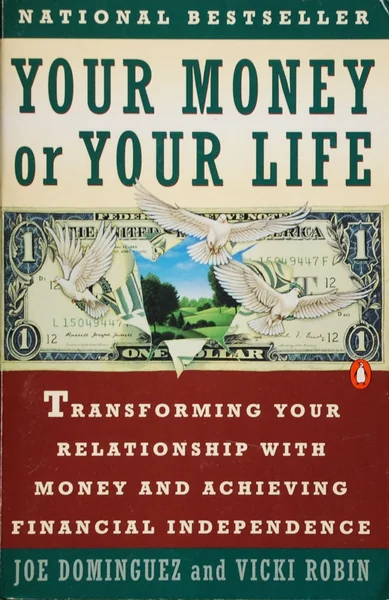
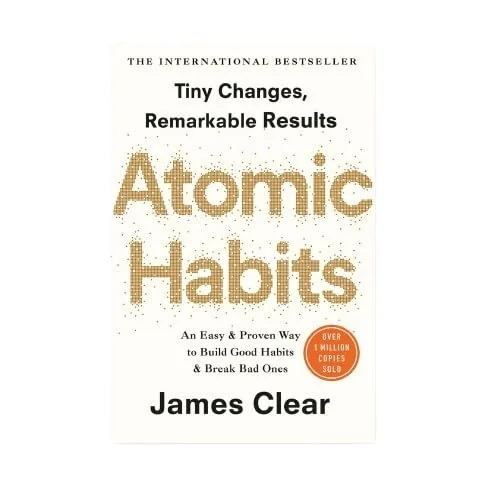
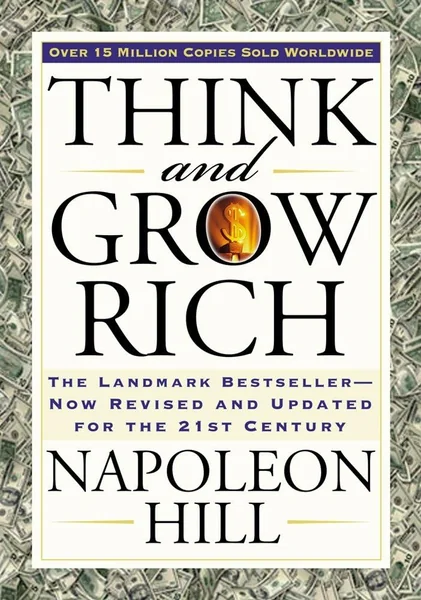
- Readers drawn to I Will Teach You to Be Rich often find value in several adjacent titles. Dave Ramsey's The Total Money Makeover offers a similarly structured, action-oriented approach to debt elimination and wealth building, though with a more conservative financial philosophy. David Bach's The Automatic Millionaire shares Sethi's emphasis on automating savings as the engine of wealth. For readers interested in the behavioral and habit-formation side of financial progress, James Clear's Atomic Habits (also in the LuvemBooks catalogue) applies directly to the discipline behind any money system. Vicki Robin's Your Money or Your Life (also in catalogue) takes a more philosophical lens to the relationship between money and life satisfaction — a natural companion to Sethi's 'Rich Life' concept. Napoleon Hill's Think and Grow Rich (also in catalogue) is an older but enduringly popular entry in the wealth-mindset tradition.
- Who should read this?
- I Will Teach You to Be Rich is built specifically for young adults who are new to managing their own money and want a clear, step-by-step path to getting their financial infrastructure in place. It is particularly well suited to readers who have been paralyzed by information overload or guilt, since Sethi's framework is deliberately action-first and shame-free. Readers who prefer a high-energy, direct voice will get the most from it; those who want comprehensive coverage of taxes, estate planning, or advanced investing should plan to graduate to other resources once the six-week program is complete.
- About Ramit Sethi
- Born to Indian immigrant parents in 1982, Ramit Sethi has transformed from a Stanford-educated tech entrepreneur into one of America's most trusted voices on personal finance.
- What are the main themes?
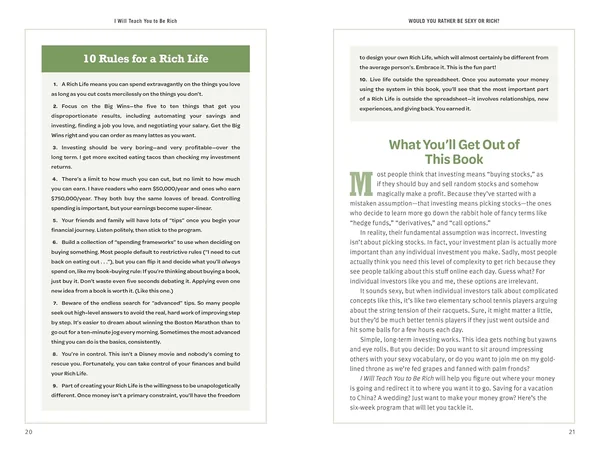
- The book's central themes are action over theory, automation as the foundation of financial health, and the redefinition of 'rich' as personal freedom rather than mere accumulation. Sethi frames financial inertia — not ignorance — as the primary obstacle most people face, and structures every chapter to overcome it with specific, time-bounded tasks. The anti-guilt thread runs throughout: Sethi explicitly rejects the shame-driven framing common in personal finance, arguing that small daily expenditures are not the problem and that structural Big Wins are. The 'Rich Life' concept ties it together, grounding the program in each reader's own definition of what financial freedom looks like in practice.
- How does the 6-week program work?
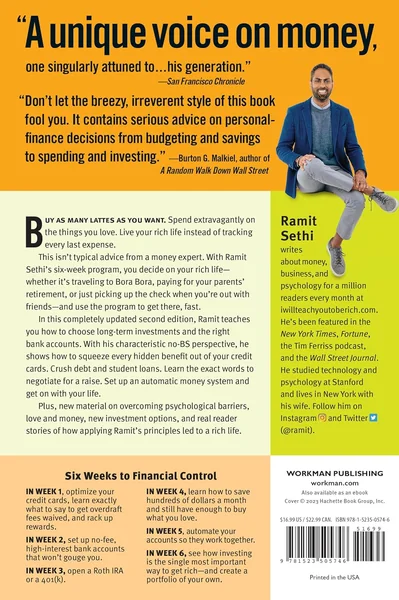
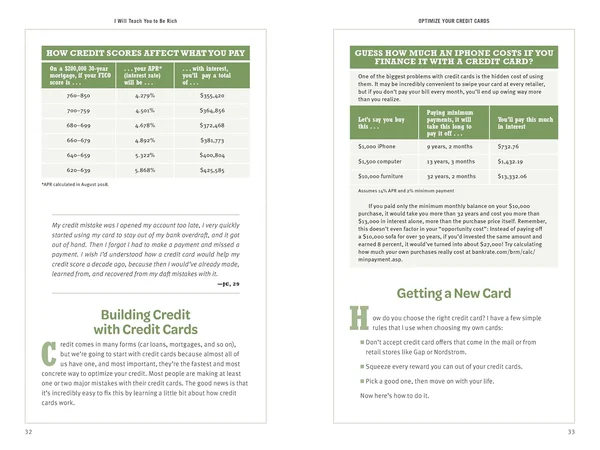
- Each of the six weeks delivers specific tasks with time allocations, covering one of the program's core pillars: credit cards and credit scores, bank accounts, investment accounts, and automation. Rather than presenting a library of concepts and leaving readers to self-direct, Sethi sequences the content so that each week builds on the last, ending with a largely automated financial system. The design philosophy is that getting started matters more than optimization — the weekly structure removes the most common barrier to financial progress, which Sethi identifies as not knowing what to do first.
Summarize this book
Follow up
Synthesized from verified book data & published reviews · How we review
Press Enter to ask. Answers come from our editorial Q&A — start typing to see related questions.
Age & Reading Level
Recommended age
Adult
Reading level
Adult
who it suits
Skip if you're looking for advanced investment strategy, tax planning, or guidance tailored to mid-career financial complexity.
Editorial Review
Ramit Sethi's I Will Teach You to Be Rich — originally published in 2009 and revised in a second edition by Workman Publishing Company in 2019 — is a structured personal finance program aimed at young adults who want a practical, action-oriented path to building wealth without wading through guilt-laden, jargon-heavy advice. The book's six-week framework, irreverent tone, and emphasis on Big Wins over financial minutiae have made it a New York Times bestseller and a widely recommended starting point for anyone ready to take control of their financial life.
Read the Full ReviewBooks like I Will Teach You to Be Rich
Curated picks for readers who enjoyed I Will Teach You to Be Rich, with our reasoning for each match.
If you liked I Will Teach You to Be Rich