At a glance
LuvemBooks Verdict
Best for: General readers with no background in sleep science who want a structured, accessible, and genuinely persuasive introduction to what sleep deprivation is doing to their body and mind.
Worth it? Skip it? Read the full verdict →Ask LuvemBooks
Was this helpful?
- Is it worth reading?
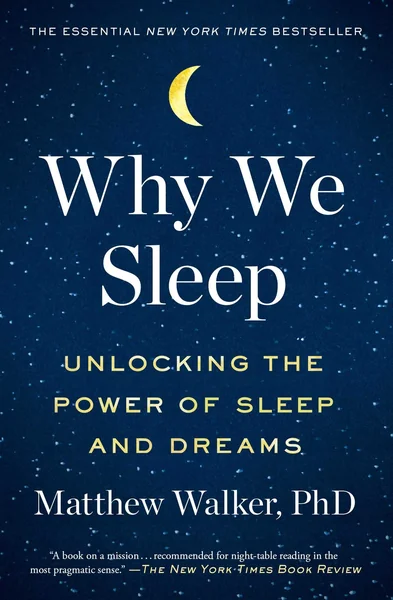
- For the general reader who has never seriously examined what sleep deprivation is doing to their body and mind, Why We Sleep is among the more impactful titles in the popular-science genre — it became a New York Times and Sunday Times bestseller, and Bill Gates has publicly named it as an important read. Its strength lies in Walker's ability to synthesise roughly two decades of research into an accessible, vividly argued narrative, complete with metaphors that make complex neuroscience legible to non-specialists. The key caveat is that academic critics, including William Dement, have challenged specific claims as overstated, and readers seeking a measured, peer-reviewed treatment should plan to supplement the book with primary literature.
- Similar books
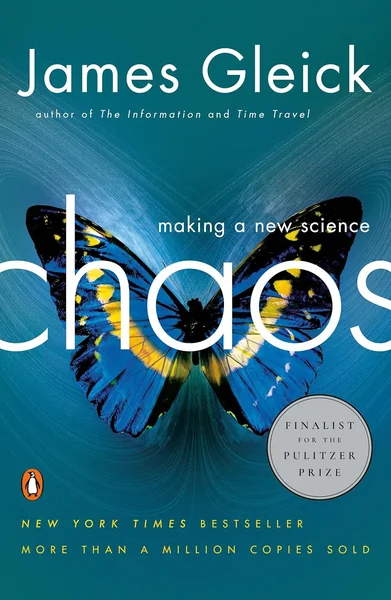
- Readers who responded to Why We Sleep's argument that a neglected bodily process holds surprising power over health and cognition will find natural companions in several titles. James Nestor's Breath: The New Science of a Lost Art applies a similar popular-science lens to breathing, uncovering underappreciated physiological consequences. Bessel van der Kolk's The Body Keeps the Score examines how trauma reshapes the brain and body, sharing Walker's interest in the intersection of neuroscience and everyday wellbeing. Ed Yong's An Immense World brings the same gift for accessible analogy to animal sensory biology, while James Gleick's Chaos: Making a New Science and Carl Sagan's The Demon-Haunted World both model how ambitious science writing can reach a mass audience — Sagan's title also shares Walker's concern with how scientific thinking is communicated and sometimes distorted.
- Who should read this?
- Why We Sleep is aimed squarely at the general adult reader with no background in sleep science — someone who has never closely examined what their nightly rest, or lack of it, is doing to their body and mind. It will particularly reward readers comfortable with popular science in the tradition of accessible but agenda-driven books, who are willing to engage with bold claims while remaining alert to the academic caveats. Those who want a measured, fully hedged treatment grounded in peer-reviewed literature should plan to supplement it with primary sources.
- About Matthew Walker
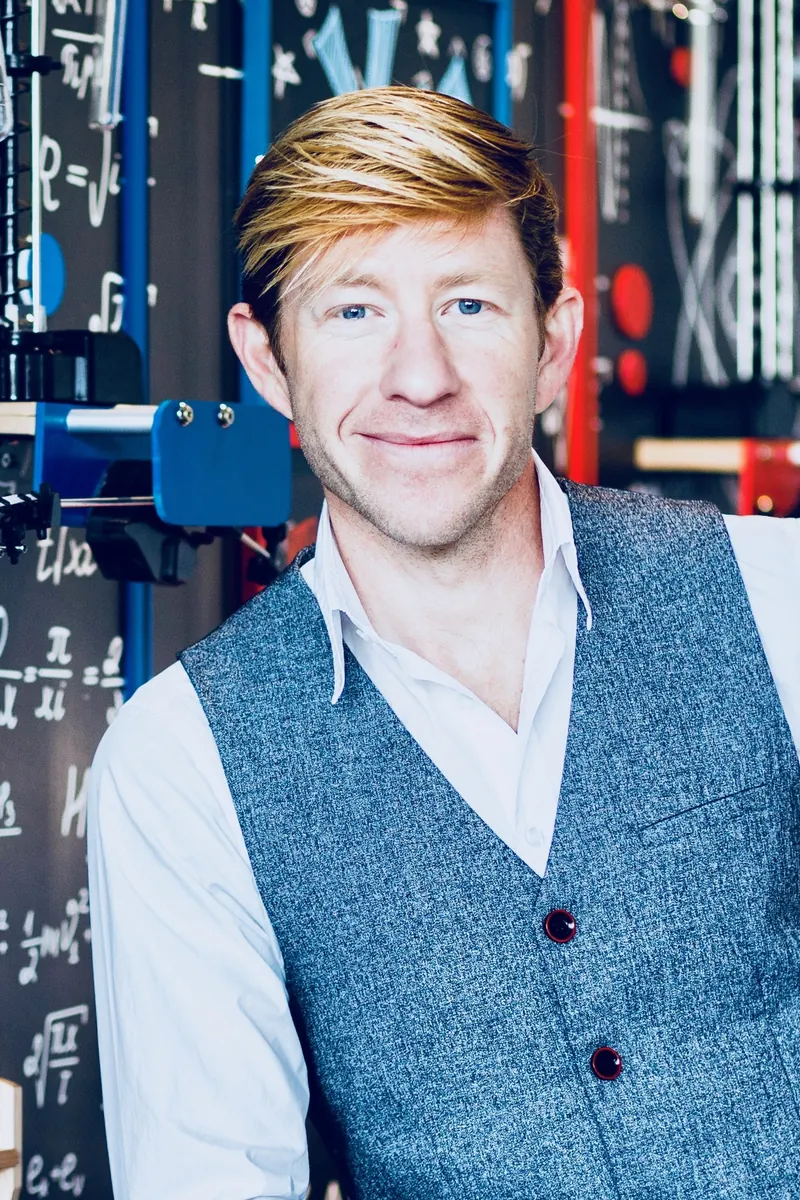
- Matthew Walker is a British author, scientist and professor of neuroscience and psychology at the University of California, Berkeley.
- Is the book too alarmist?
- This is the book's most discussed tension. The Guardian's review acknowledged the visceral impact of Walker's cumulative approach — stacking disease risk upon disease risk, presenting sleep as though advertising a miracle pharmaceutical that protects against cancer, dementia, and Alzheimer's — but also noted that the effect can tip from compelling popular science into something that reads more like a horror story. Several critics echoed this characterisation. Walker's defenders argue the alarm is deliberate and proportionate to the scale of the public health problem; his critics contend it outpaces the evidentiary standards of the field.
- What are the book's key claims?
- Walker's central argument is that sleep is an active biological necessity rather than a passive state — one that recalibrates emotions, restocks the immune system, fine-tunes metabolism, and regulates appetite. He links chronic sleep deprivation to elevated risks for conditions including cancer, dementia, and Alzheimer's disease, though the strength of some of these links — particularly the Alzheimer's connection — has been questioned by readers including Bill Gates and by academic critics. On dreaming, Walker contends that REM sleep functions as a virtual-reality space in which the brain processes difficult memories and fosters creativity, a claim that sits at the more speculative end of the book's spectrum.
Summarize this book
Follow up
Synthesized from verified book data & published reviews · How we review
Press Enter to ask. Answers come from our editorial Q&A — start typing to see related questions.
Age & Reading Level
Recommended age
Adult
Reading level
Adult
who it suits
Skip if you want a measured, peer-reviewed treatment of sleep research free of alarm-heavy rhetoric.
Editorial Review
Why We Sleep is a New York Times and Sunday Times bestselling popular science book by Matthew Walker, a professor of neuroscience and psychology and director of the Center for Human Sleep Science at the University of California, Berkeley. Originally published in 2017 and reissued by Scribner in 2018, the book makes a sweeping case for sleep as one of the most consequential forces governing human health, cognition, and longevity — drawing on roughly two decades of research by Walker and his team.…
Read the Full ReviewBooks like Why We Sleep
Curated picks for readers who enjoyed Why We Sleep, with our reasoning for each match.
If you liked Why We Sleep