
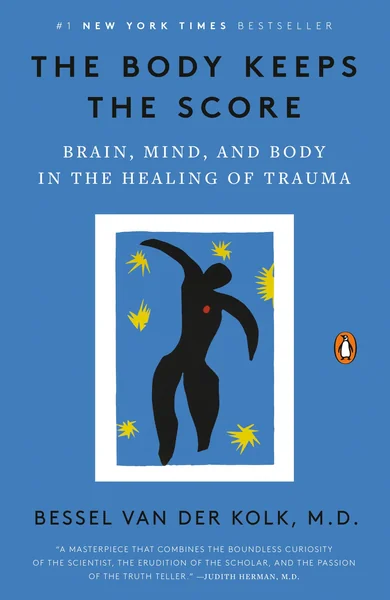
The Body Keeps the Score: Brain, Mind, and Body in the Healing of Trauma
At a glance
LuvemBooks Verdict
Best for: Readers — whether lay or clinical — seeking an accessible, narrative-driven introduction to the idea that trauma reshapes the body and brain, and who want a broad survey of treatment approaches including EMDR, yoga, and limbic system therapy.
Worth it? Skip it? Read the full verdict →Ask LuvemBooks
Was this helpful?
- Is it worth reading?
- For readers seeking to understand how trauma shapes the body and brain, The Body Keeps the Score remains a valuable entry point — a text that brought neurobiology of trauma to a mainstream audience when public understanding of the subject was still nascent. New Scientist's Shaoni Bhattacharya described it as 'packed with science and human stories,' an 'intense read' that rewards persistence. However, the book carries documented scholarly concerns — including criticism for misrepresenting research conclusions and actively discouraging readers from pursuing CBT, a well-supported evidence-based trauma treatment — so readers seeking reliable clinical guidance will want to supplement it with current peer-reviewed literature.
- Similar books
- Readers drawn to The Body Keeps the Score typically explore a cluster of works that engage with trauma, healing, and the mind-body connection from different angles. Peter A. Levine's Waking the Tiger: Healing Trauma and In an Unspoken Voice: How the Body Releases Trauma and Restores Goodness share van der Kolk's somatic emphasis, while Judith Herman's Trauma and Recovery is a foundational clinical text that many consider essential reading alongside it. Gabor Maté's The Myth of Normal: Trauma, Illness, and Healing in a Toxic Culture extends the conversation into how trauma intersects with culture and illness. Bruce D. Perry's What Happened to You?: Conversations on Trauma, Resilience, and Healing offers an accessible, dialogue-driven exploration of trauma's developmental roots. Matthew Walker's Why We Sleep, though focused on sleep science, touches on overlapping territory around neuroscience and how the brain processes experience.
- Who should read this?
- The Body Keeps the Score is designed to speak to both clinicians and general readers — therapists, counselors, and mental health practitioners will find van der Kolk's synthesis of neuroscience and attachment theory professionally relevant, while lay readers seeking to understand trauma's reach will benefit from its accessible case-history-driven structure. Trauma survivors exploring frameworks for understanding their own experience, and readers working through questions about somatic healing approaches like EMDR and yoga, will find it particularly resonant. The key caveat: anyone relying on the book as clinical guidance should treat it as a starting point and supplement it with current evidence-based literature, given the documented concerns about its scholarly standards.
- About Bessel van der Kolk
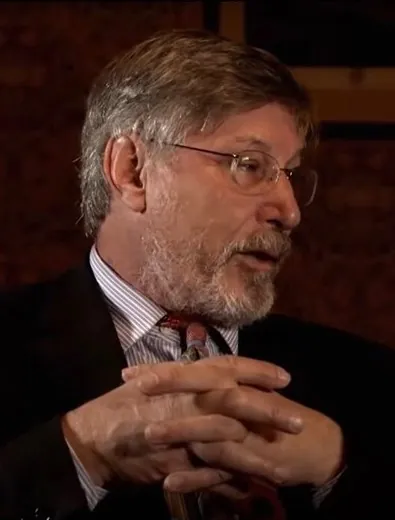
- Bessel van der Kolk is a Boston-based Dutch-American psychiatrist, author, researcher, and educator.
- Why is this book trending?
- The Body Keeps the Score continues to find new readers driven by sustained cultural interest in mental health, therapy, and trauma awareness. Counselors and therapists are still actively recommending it as a foundation for understanding how trauma lives in the body, keeping it in circulation well beyond its 2014 publication. The book's multi-year bestseller status — described by a 2024 Financial Times article as 'an improbable' phenomenon — reflects how directly it speaks to a genuine gap in mainstream understanding of trauma's neurobiological and somatic dimensions.
- What are the main themes?
- The central theme of The Body Keeps the Score is that traumatic stress leaves lasting imprints on the brain, mind, and body — not merely on memory or mood — and that healing may therefore require more than talk therapy alone. Van der Kolk weaves together neuroscience, attachment theory, and clinical observation around the argument that the body, not just the mind, carries the residue of traumatic experience. Closely related themes include the role of the attachment system and social environment in determining whether trauma leads to lasting disorder, and the relative merits of somatic healing approaches such as EMDR, yoga, and limbic system therapy.
- Is this a good book club pick?
- The Body Keeps the Score can make for a rich book club discussion precisely because it combines accessible patient narratives with contested science — groups can engage meaningfully both with van der Kolk's compelling case histories and with the documented scholarly debates surrounding the book's evidentiary standards. New Scientist's Shaoni Bhattacharya described it as 'packed with science and human stories,' though also an 'intense read,' so groups should be prepared for some technically demanding passages and for the emotional weight of its trauma case studies. The tension between the book's cultural influence and its scholarly critics is itself a productive discussion topic.
Summarize this book
Follow up
Synthesized from verified book data & published reviews · How we review
Press Enter to ask. Answers come from our editorial Q&A — start typing to see related questions.
Age & Reading Level
Recommended age
Adult
Reading level
Adult
4 content notes · who it suits
Content to know about
Skip if you want a hopeful self-help narrative with clear, evidence-based treatment recommendations rather than a contested science survey
Editorial Review
Bessel van der Kolk's The Body Keeps the Score is a widely-read popular science book on psychological trauma that has earned both broad acclaim and substantive scholarly criticism — essential reading for anyone seeking to understand trauma's reach, but one that deserves to be approached alongside current evidence-based literature.
Read the Full ReviewBooks like The Body Keeps the Score
Curated picks for readers who enjoyed The Body Keeps the Score, with our reasoning for each match.
Why It’s Trending
Complex PTSD DSM Push Brings Fresh Attention to The Body Keeps the Score
A recent piece in Psychiatric Times calling for Complex PTSD to be added to the DSM cited van der Kolk's book directly, putting it back in front of clinicians and curious readers alike. Ongoing conversations about trauma diagnosis are keeping this book relevant.