
Matthew Walker
1
Books ReviewedAsk LuvemBooks about Matthew Walker
- Where should I start?
- With only one reviewed title on LuvemBooks, the starting point is straightforward: Why We Sleep is where to begin. It covers Walker's core argument — that sleep is not a passive state but an active biological process essential to health, memory, and emotional regulation — and it is written accessibly enough for readers with no scientific background. Its broad scope also means it serves as both an introduction to Walker's thinking and a fairly comprehensive overview of modern sleep science.
- What's their writing style?
- Walker writes in a confident, declarative style that prioritises clarity over nuance — he states conclusions plainly and backs them with research findings, which gives his prose momentum but occasionally courts oversimplification. He frequently uses the second person to pull the reader into the argument, framing sleep deprivation as something happening to you specifically rather than an abstract public-health statistic. The overall effect is closer to an impassioned lecture from a knowledgeable professor than to a cautious academic text.
- Books we've reviewed
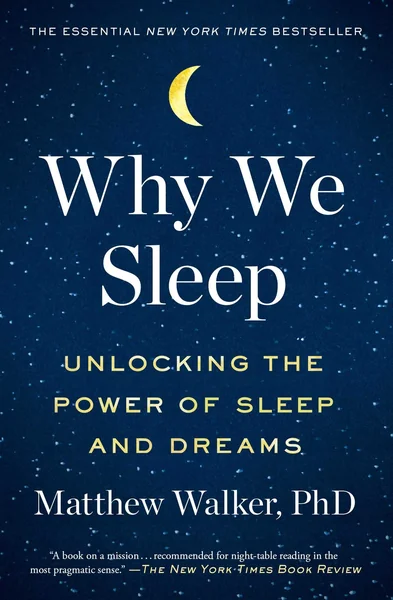
- LuvemBooks has reviewed one Matthew Walker title so far. Why We Sleep: Unlocking the Power of Sleep and Dreams argues that chronic sleep deprivation is reshaping human health in ways most people fail to recognise, drawing on neuroscience, epidemiology, and Walker's own lab research to make its case — it carries an Amazon reader rating of 4.7/5 from over 34,000 ratings.
- What genre do they write?
- Walker writes popular science — specifically, science writing aimed at a general audience rather than academic peers. Why We Sleep sits within the Science and Nature genre and has crossover appeal for readers interested in health, psychology, and self-improvement, even though it is rooted in hard neuroscience rather than lifestyle advice.
- What should I read after Why We Sleep?
- If Why We Sleep has you interested in the science of the brain and body, Robert Sapolsky's Why Zebras Don't Get Ulcers is a natural next step — it tackles the biology of stress with a similar mix of rigour and accessibility. For a deeper look at circadian biology specifically, Till Roenneberg's Internal Time covers the science of chronotypes and social jetlag in complementary detail. Those drawn more to the psychology angle might enjoy Daniel Kahneman's Thinking, Fast and Slow for a comparable approach to making cognitive science legible to general readers.
Who is Matthew Walker?
Follow up
Synthesized from verified book data & published reviews · How we review
Press Enter to ask. Answers come from our editorial Q&A — start typing to see related questions.
Authors Like Matthew Walker

Bessel van der Kolk
Bessel van der Kolk is a Boston-based Dutch-American psychiatrist, author, researcher and educator.
1 book reviewed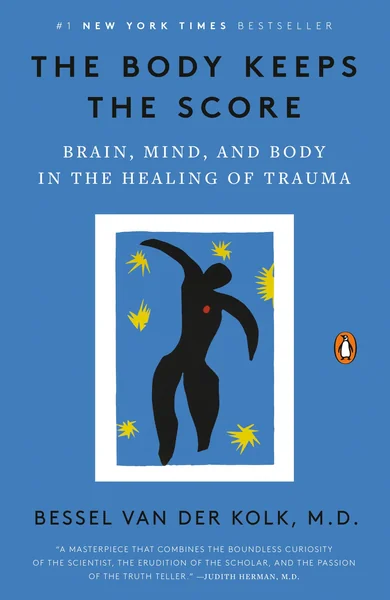

Kristin Neff
Kristin Neff, Ph.D., is an Associate Professor of Educational Psychology at the University of Texas at Austin and a pioneer in self-compassion research, having conducted the first empirical studies in the field. She is the author of Self-Compassion: The Proven Power of Being Kind to Yourself (William Morrow, 2011) and co-founded the nonprofit Center for Mindful Self-Compassion (CMSC).
1 book reviewed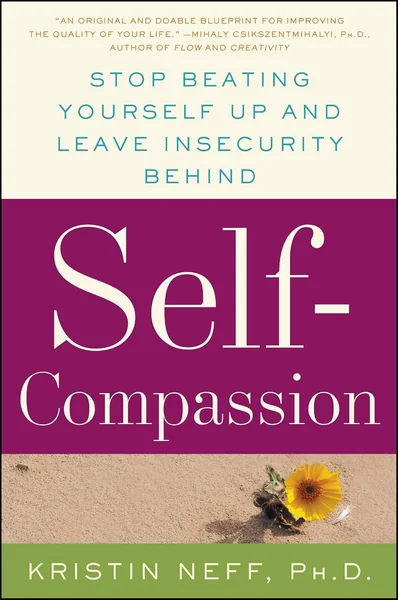

Peter Attia
Peter Attia is a Canadian-American author and former researcher known for his work in longevity medicine.
1 book reviewed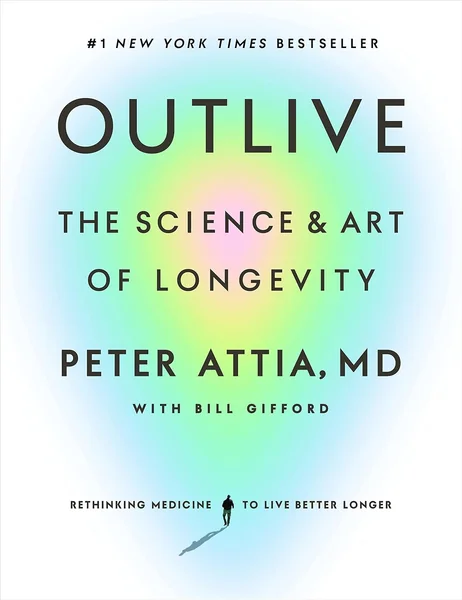

Christopher McDougall
Christopher McDougall is an American author and journalist.
1 book reviewed

Michael Greger
Michael Herschel Greger is an American physician, author, and speaker on public health issues best known for his advocacy of a whole-food, plant-based diet, and his opposition to animal-derived food products.
2 books reviewed


Gene Stone
Gene Stone is an American writer and editor known for his books on animal rights and plant-based food..
3 books reviewed