At a glance
Be one of the first readers to answer.
Read it? Was it right for you?
LuvemBooks Verdict
Best for: Curious children aged 7–11 who love collecting surprising facts to share, and parents or teachers looking for a low-stakes, high-variety way to spark science conversations at home or in the classroom.
Worth it? Skip it? Read the full verdict →Ask LuvemBooks
Was this helpful?
- Is it worth reading?
- For its intended audience — a curious 7-to-11-year-old who delights in surprising facts and enjoys sharing them — LuvemBooks considers Incredibly Interesting Science Facts For Smart Kids well-matched to its purpose. It works as a gift, a classroom addition, or a quiet-time browser, and its high fact count gives it strong replay value. The key caveat is that buyers seeking verified accuracy at a fact-by-fact level, or substantive scientific explanation, should treat this as a first step and pair it with more in-depth resources, since no independent critical reviews have assessed the accuracy or pedagogical quality of the entries.
- Similar books
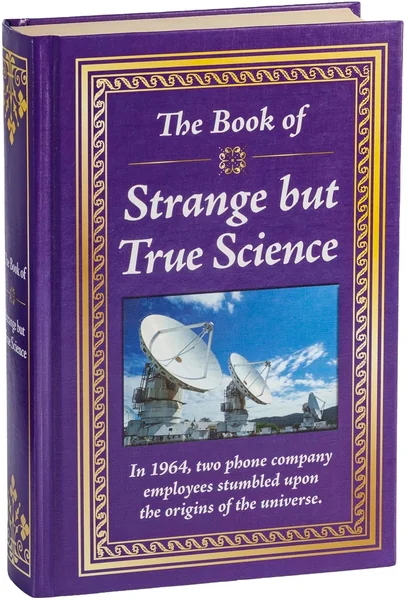
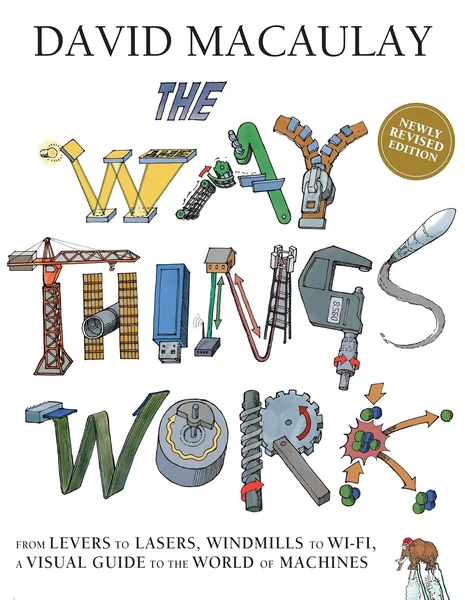
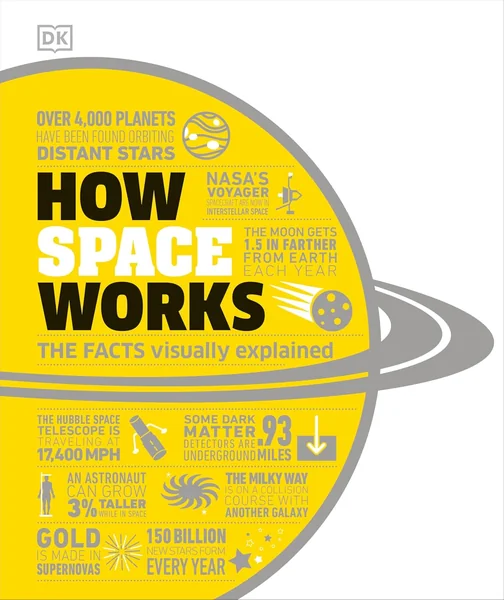
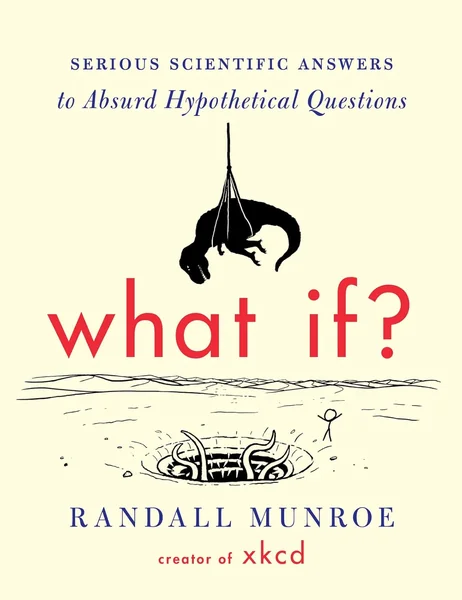
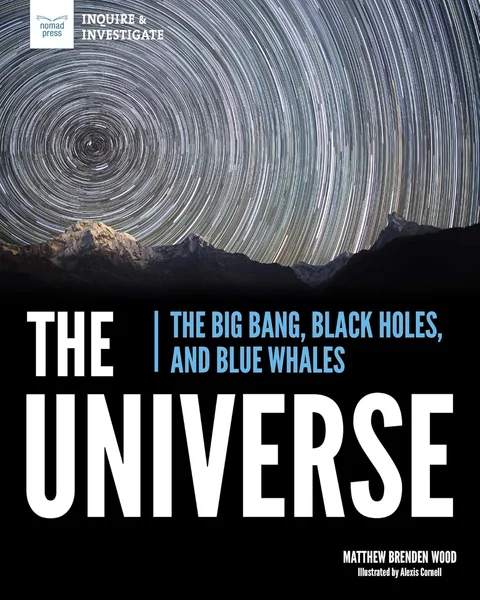
- Readers drawn to Incredibly Interesting Science Facts For Smart Kids will find kindred spirit in The Book of Strange but True Science (Publications International Ltd.), which similarly leans into the weird and counterintuitive side of science. For young readers hungry for space specifically, How Space Works: The Facts Visually Explained (DK) offers the same sense of wonder with the added depth of DK's signature visual treatment. The Way Things Work by David Macaulay takes a more mechanical angle on scientific curiosity, while The Universe: The Big Bang, Black Holes, and Blue Whales by Matthew Brenden Wood provides broader cosmic context for readers ready to go deeper. Older or more advanced readers might also enjoy What If? by Randall Munroe, which applies rigorous (and often absurd) science to hypothetical questions.
- Who should read this?
- Incredibly Interesting Science Facts For Smart Kids is built for curious readers aged 7 to 11 — particularly those who love surprising, shareable facts and enjoy the short-sprint browsing style rather than sustained reading. It is well-suited as a gift, a classroom addition, or a quiet-time reference for middle-elementary students. Families and educators who want to use it as a springboard to deeper research will get the most from it; those expecting substantive scientific explanation or curriculum-aligned content will need to look elsewhere.
- What age is it for?
- Best for ages 7 to 11. The book is explicitly pitched at that middle-elementary band, with a browsable, bite-sized structure and a challenge-style framing that suits the reading habits and attention spans typical of that age group. Younger children may need adult support to get the most from the facts, while older or more advanced readers may find the surface-level treatment too brief and benefit from more in-depth science titles.
- What's the reading level?
- The book targets the middle-elementary reading level, corresponding roughly to grades 2 through 5 (ages 7–11). Its structure — short, standalone facts rather than extended prose — means even readers at the lower end of that range can engage independently. The challenge framing and broad vocabulary of science topics may occasionally prompt vocabulary questions, making it a natural conversation piece between children and adults.
- Trivia or learning — which is it better for?
- Incredibly Interesting Science Facts For Smart Kids is squarely a trivia-first book. With 999+ facts across 133 pages, each entry receives only enough space to deliver its 'wow' moment — there is little room for explanation, context, or scientific follow-through. LuvemBooks characterises it as a book that 'ignites questions, not answers them in full,' making it best for informal, interest-led engagement rather than structured learning. Families and educators who use it as a springboard to deeper research will get the most value from it.
Summarize this book
Follow up
Synthesized from verified book data & published reviews · How we review
Press Enter to ask. Answers come from our editorial Q&A — start typing to see related questions.
Editorial Review
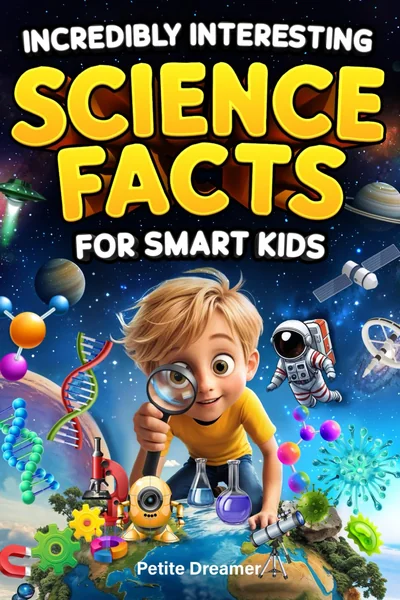
Incredibly Interesting Science Facts For Smart Kids by Petite Dreamer packs 999+ science facts — spanning topics from the human body and space to the animal kingdom and world discoveries — into 133 pages aimed at readers aged 7 to 11. This review is based on the book's contents and structure as described by published sources, not hands-on use.…
Read the Full ReviewBooks like Incredibly Interesting Science Facts For Smart Kids
Curated picks for readers who enjoyed Incredibly Interesting Science Facts For Smart Kids, with our reasoning for each match.
If you liked Incredibly Interesting Science Facts For Smart Kids