8 min read
4.7
· 1,145 Amazon ratingsShare This Review

Our review
The Book of Strange but True Science
The Book of Strange but True Science by Publications International Ltd. Review: A Wide-Ranging Science Trivia Compendium
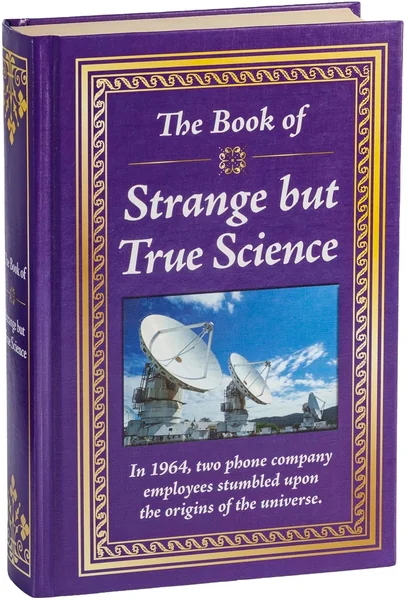
The Book of Strange but True Science is a 632-page hardcover reference compendium from Publications International, Ltd., published in December 2019, packed with over 300 articles spanning topics from quantum teleportation and plate tectonics to the science of the curveball and the IQ test. This review is based on the book's contents and structure as described by published sources, not hands-on use.


 Tap to enlarge
LuvemBooks Verdict
Best for
Curious adults who love popular science, trivia, and dip-in-and-out browsing — especially anyone shopping for a substantial, conversation-starting gift for a knowledge-hungry reader.
Worth it if
You want a wide-ranging, entertainingly written science compendium that rewards casual browsing across wildly different disciplines without demanding cover-to-cover commitment.
Skip if
You're looking for deep, specialist-level treatment of any single scientific topic, or need fully up-to-date coverage of fast-moving fields like quantum research or 3D printing beyond 2019.
What readers & critics say
Retailer listings at Barnes & Noble and Books-A-Million describe the book as "packed with articles on all things scientific," filled with "both pragmatic, commonsense explanations and outrageous revelations." Blue Vase Books highlights over 300 articles spanning subjects from quantum teleportation to dental-filling radio folklore, noting it is a "great gift for voracious science readers."
Sources: Barnes & Noble, Books-A-Million, Blue Vase BooksPreview the book

Ask LuvemBooks
Was this helpful?
- Is it worth reading?
- For its intended audience — curious adults, trivia enthusiasts, and fans of popular-science magazines or formats like Uncle John's Bathroom Reader — The Book of Strange but True Science delivers strong value: over 300 articles, genuine disciplinary diversity, and an accessible tone that works whether the reader has a science background or not. The hardcover format and substantial 632-page count also give it a physical presence that makes it a well-engineered gift. The important caveat is currency: with a December 2019 publication date, entries in fast-moving fields like 3D printing and quantum research reflect knowledge as of that year, so readers interested in the absolute cutting edge of those topics should supplement accordingly.
- Similar books
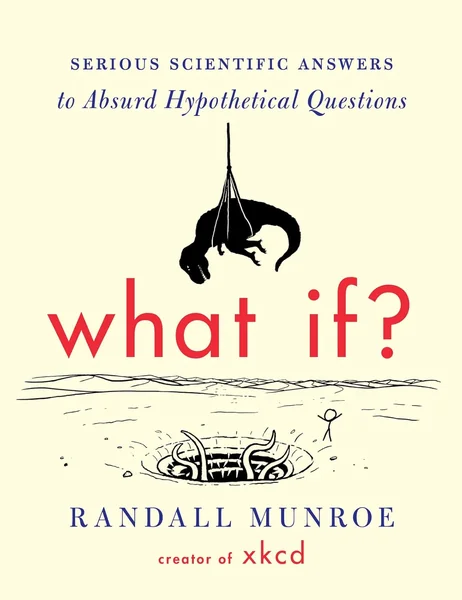
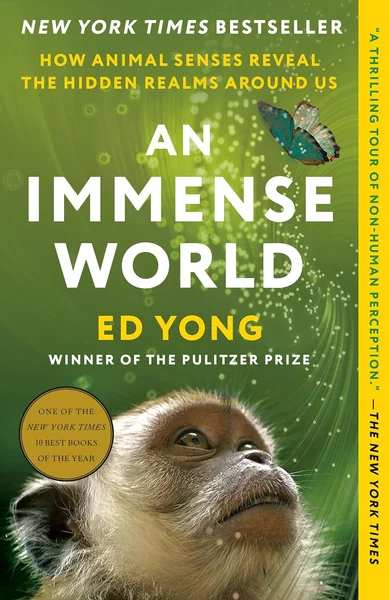
- Readers drawn to The Book of Strange but True Science for its wide-ranging, accessible approach to science will find several kindred titles worth exploring. Randall Munroe's What If?: Serious Scientific Answers to Absurd Hypothetical Questions shares the same spirit of applying real science to unexpected questions with an entertaining edge. For readers who want to sharpen their scientific thinking alongside their curiosity, Carl Sagan's The Demon-Haunted World: Science as a Candle in the Dark is a foundational popular-science text. David Macaulay's The Way Things Work: Newly Revised Edition offers a visually rich, accessible breakdown of how physical and mechanical systems function. Ed Yong's An Immense World: How Animal Senses Reveal the Hidden Realms Around Us demonstrates how deep popular science can go on a single theme. And Stephen Hawking's A Brief History of Time is the landmark accessible treatment of frontier physics for general audiences.
- Who should read this?
- The Book of Strange but True Science is aimed squarely at curious adults with a broad appetite for science and a preference for variety over specialization — the kind of reader who enjoys discovering that the same volume addresses plate tectonics, baseball physics, and dental-filling radio folklore in equal measure. It is also an ideal pick for trivia enthusiasts and fans of popular-science magazines or browsable formats like the Uncle John's Bathroom Reader series. Gift-givers looking for a substantial, accessible hardcover for occasions like Father's Day or the holidays will find it well matched to that purpose as well.
- How does this compare to other PIL books?
- LuvemBooks has also reviewed The Book of Extraordinary Facts: Big Book of Pop Culture, History, Crime, also published by Publications International, Ltd. Both titles share the publisher's signature compendium format — large hardcover builds, high article counts, and a browsable, dip-in-and-out structure designed for the gift-book market. The key distinction is subject matter: The Book of Strange but True Science focuses exclusively on scientific disciplines, while The Book of Extraordinary Facts ranges across pop culture, history, and crime. Readers who enjoy the format of one are very likely to appreciate the other.
- What's the reading experience like?
- The experience is one of high-density, low-commitment browsing: the article format means a reader can engage for five minutes or five hours without losing the thread, since each of the 300-plus entries functions as a fully self-contained unit. The editorial tone balances 'pragmatic, commonsense explanations' with 'outrageous revelations,' so the book rewards both the reader who wants a grounded scientific explanation and the one who simply wants to be surprised. The 632-page hardcover physical format reinforces the sense of a substantial reference object rather than a light read.
- Is the science up to date?
- For the majority of the book's content — plate tectonics, sports biomechanics, the history of antibiotics, sleep research — the December 2019 publication date presents no meaningful currency concern. However, entries covering fast-moving fields like quantum research and 3D printing reflect the state of knowledge as of 2019 and may not capture subsequent developments. Readers using those specific articles as a starting point for up-to-date information should treat them as introductions rather than current overviews.
Summarize this book
Follow up
Synthesized from verified book data & published reviews · How we review
What would you like to know about The Book of Strange but True Science?
Answers come from our editorial notes on this book. If we haven't covered something, we'll say so.
Readers often ask
Our Review
This review covers the book's content, premise and published critical reception, not a first-hand reading.
What the Book Actually Is
Scope and Subject Range
Strengths: Breadth, Format, and Gift Appeal
Limitations and Considerations
Who This Book Is For
Sources & Further Reading
The key facts and claims in this review are grounded in the retrieved, verified sources listed below.
- 1
Age & Reading Level
Recommended age
Adult
who it suits
Skip if You're looking for sustained, in-depth treatment of any single scientific topic rather than a wide-ranging popular-science compendium.
Reader reviews
Be one of the first readers to answer.
Read it? Was it right for you?
Books like The Book of Strange but True Science
Curated picks for readers who enjoyed The Book of Strange but True Science, with our reasoning for each match.
If you liked The Book of Strange but True Science