
8 min read
4.5
· 1,179 Amazon ratingsReading order
The Horus Heresy
Book 17 of 64 books
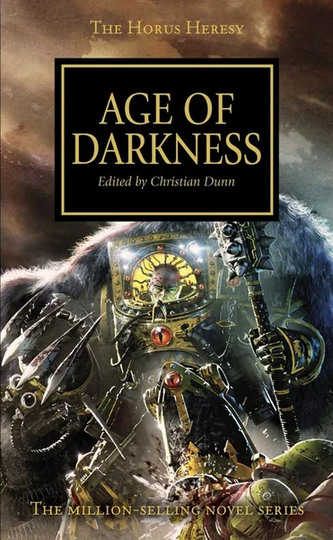 Before thisAge of Darkness2011
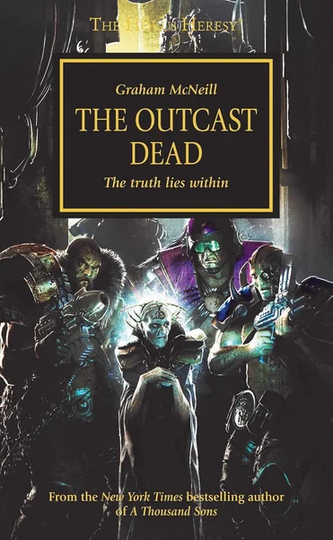 You're readingThe Outcast Dead
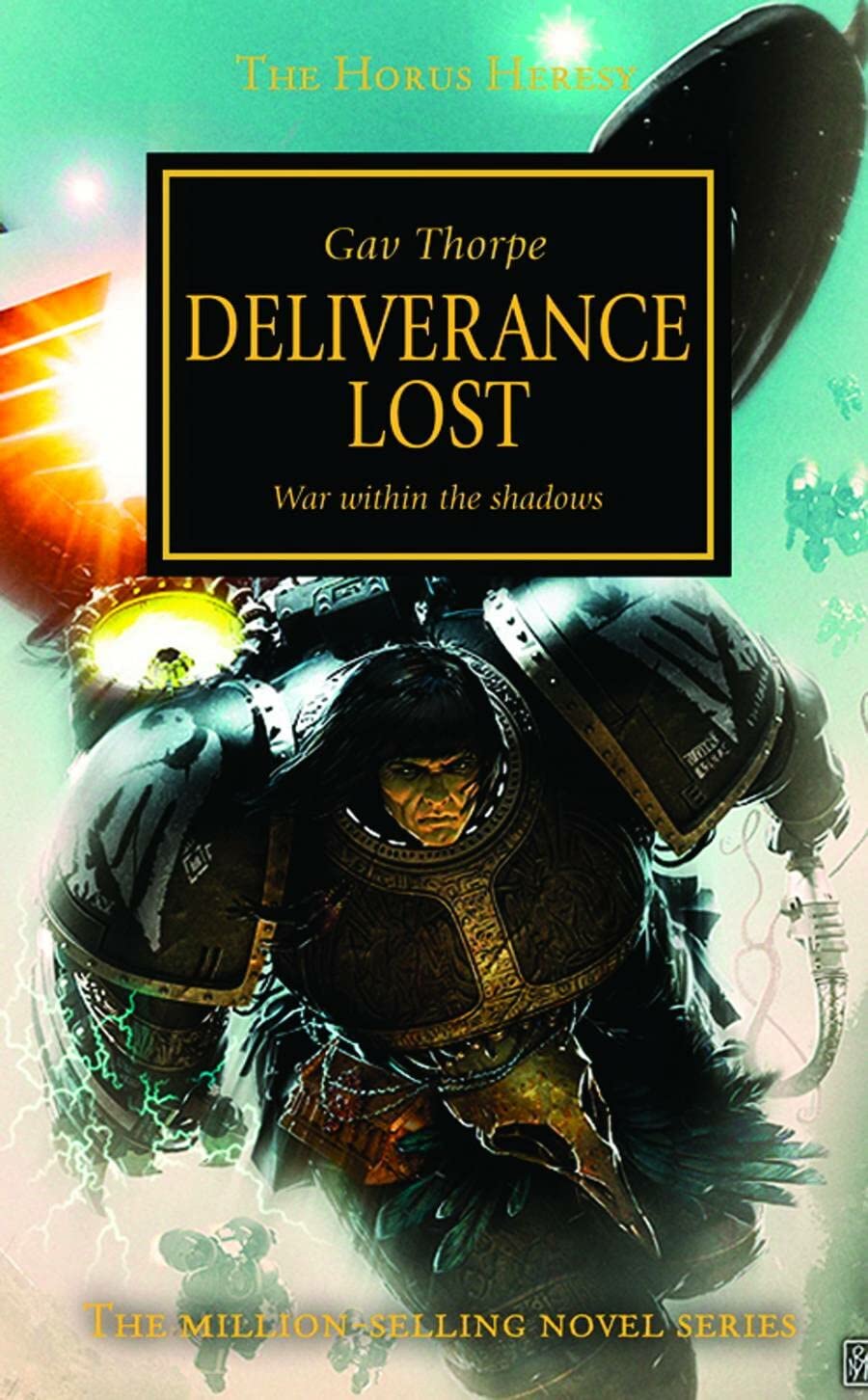 Up nextDeliverance Lost2012 · on Amazon
 ThenKnow No Fear2012 · on Amazon
Share This Review
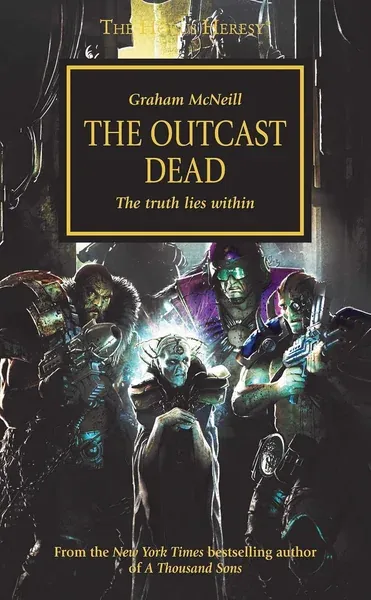
Our review
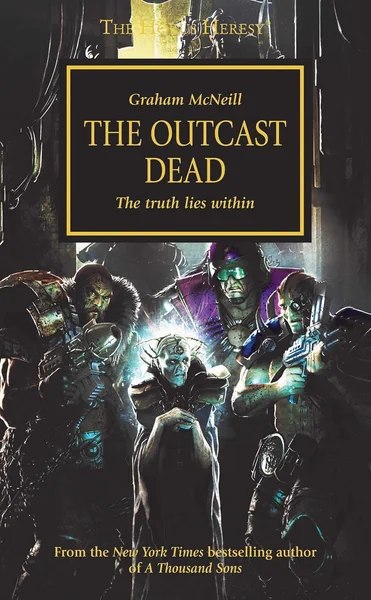
The Outcast Dead by Graham McNeill Review: A Terra-Set Thriller With Uneven Payoff
The Outcast Dead is the seventeenth entry in the Horus Heresy series, written by Graham McNeill, in which an astropath who receives a vision about the end of the Heresy must be smuggled off Terra by a band of renegade Space Marines from the traitor legions. It earns attention as a rare ground-level look at the Imperial home world during the opening crisis of the Heresy, though reader commentary describes it as a novel of brilliant highs and frustrating lulls in equal measure.
LuvemBooks Verdict
Best for
Dedicated Horus Heresy series readers who want a Terra-set, espionage-flavoured instalment that shifts focus from the front lines to the Imperial home world and delivers a significant lore reveal about the Emperor of Mankind.
Worth it if
Worth reading if you are already invested in the Horus Heresy series and want a tightly characterised, ground-level thriller set on Terra that illuminates how the Heresy registers at the heart of the Imperium, complete with a lore-defining reveal.
Skip if
Skip it if you are new to Warhammer 40,000 fiction or hoping for the propulsive momentum of the series' strongest entries — the uneven pacing and a near-total death toll of major characters that leaves limited lasting impact on the wider arc will likely frustrate more than reward.
What readers & critics say
Civilianreader.com praises McNeill's handling of the City of Sight sequence as "very well constructed and written," highlighting the novel's grounding in the lore's stranger, more psychic dimensions. Storygraph readers are more divided, with one summary calling it a "solid yet unremarkable entry" due to uneven pacing, while another credits McNeill for focusing on a small cast of characters to great effect; belloflostsouls.net, meanwhile, places it "far, far from the bottom" of the Horus Heresy list despite it not being a favourite, and purpleheresy.blogspot.com notes that portions of online fandom view it as a low point in the series, citing a significant plot contrivance as a central grievance.
Sources: Civilian Reader, The Storygraph, Bell of Lost Souls, Purple Heresy, WH40K Book Club, The Founding FieldsIn This Review
- What Works & What Doesn't
- What the Book Is and What Happens
- Significance Within the Series
- Strengths: Character Economy and Lore Depth
- Limitations: Pacing and Narrative Stakes
- Who This Book Is For
What Works & What Doesn't
What Works
- Rare Terra-set perspective gives the Horus Heresy's home-front story meaningful ground-level weight
- Contains a significant lore reveal about the Emperor of Mankind, making it essential reading for dedicated series followers
- McNeill's character economy ensures every member of the outcast ensemble serves a narrative purpose, with no throwaway figures
- Written by one of the Black Library's most decorated authors, whose previous Horus Heresy work reached the New York Times bestseller list
What Doesn't
- Reader commentary describes pacing as uneven — brilliant in places but prone to dull stretches that undercut momentum
- The near-total death toll of major characters raises questions about the novel's lasting impact on the broader Heresy arc, as noted by series readers
What the Book Is and What Happens
Significance Within the Series
Strengths: Character Economy and Lore Depth
Limitations: Pacing and Narrative Stakes
Who This Book Is For
Frequently Asked Questions
Age & Reading Level
Recommended age
Adult
Reading level
Adult
2 content notes · who it suits
Content to know about
Skip if you want a consistently propulsive, well-paced thriller or are new to Warhammer 40,000 fiction
Sources & Further Reading
The key facts and claims in this review are grounded in the retrieved, verified sources listed below.
- Cited in this review
- 1
imperial-archive.com
- Further reading
- 2
Graham McNeill, Wikipedia
- 3
wh40kbookclub.com
- 4
- 5
adventureswithpeps.com
- 6
- 7
belloflostsouls.net
- 8
wh40k.lexicanum.com
- 9
Related Reviews
Reviews of books we picked for readers who enjoyed The Outcast Dead.
Reader Comments
No comments yet
Be the first to share your thoughts!