7 min read
4.6
· 4,593 Amazon ratingsShare This Review
Our review
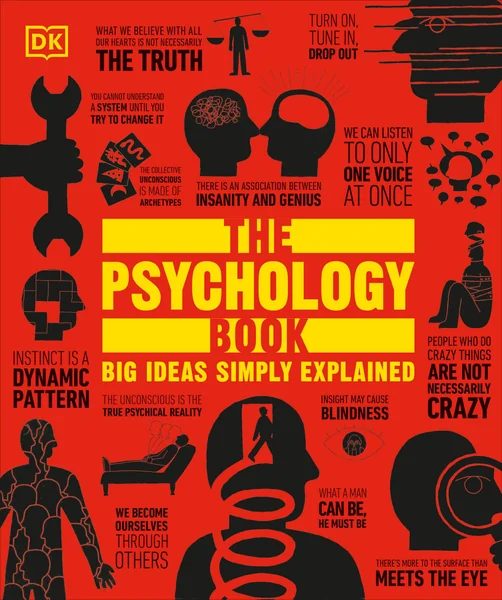
The Psychology Book: Big Ideas Simply Explained by DK Review: A Visual Gateway to the Human Mind
DK's The Psychology Book: Big Ideas Simply Explained is a wide-ranging reference guide to human nature, behavior, and mental processes, designed for both curious newcomers and those looking to revisit the field's foundational ideas — structured around the visual, graphic-led format that has made the award-winning Big Ideas series a global phenomenon with millions of copies sold worldwide.
LuvemBooks Verdict
Best for
Curious general readers and students with no prior psychology background who want a visually rich, well-organised survey of the field's biggest ideas — from ancient philosophy through to contemporary science — without wading through dense academic prose.
Worth it if
You want a broad, beautifully designed orientation to psychology that rewards both sequential reading and casual browsing, and you value visual tools like mind maps and step-by-step summaries over sustained theoretical argument.
Skip if
You already hold undergraduate-level psychology knowledge and are looking for rigorous, in-depth engagement with primary sources or nuanced debate between competing schools of thought — the simplified, visually fragmented format will feel like a ceiling rather than a gateway.
What readers & critics say
PsychCentral.com described the book as "a large, stylish book" that takes readers "on a quick tour through the history and discipline of psychology, with tiny bits of information and loads of design," while also noting plainly that "the explanations are simplified" — confirming both the book's accessibility and its deliberate trade-off of depth for breadth. Retailer and bookseller pages consistently echo publisher positioning that the mind maps and step-by-step summaries make complex theories genuinely easy to follow for beginners and general-interest readers alike.
Sources: rizzolibookstore.com, abebooks.com, biblio.com, bookoutlet.comAsk LuvemBooks
Was this helpful?
- Is it worth reading?
- For anyone curious about human behavior and mental life who has no prior academic background in psychology, The Psychology Book: Big Ideas Simply Explained is a genuinely valuable entry point — its visual, layered format makes it possible to follow complex theories without working through dense academic prose. The breadth of coverage, from ancient philosophers to contemporary scientists, means it rewards both sequential reading and casual browsing. However, readers with existing undergraduate-level knowledge may find the heavily simplified explanations and visual fragmentation frustrating, as PsychCentral.com noted plainly: the explanations are simplified and individual theories receive abbreviated rather than sustained treatment.
- Similar books
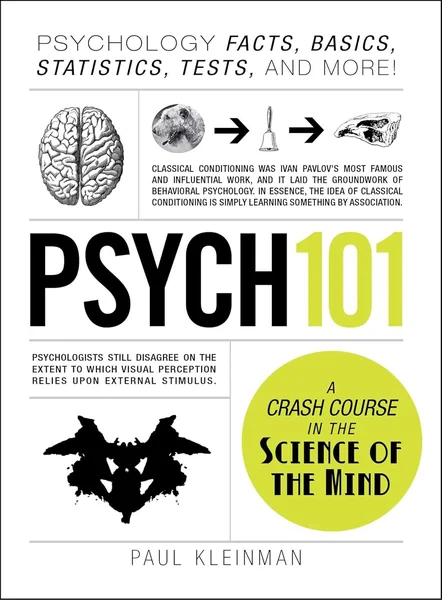
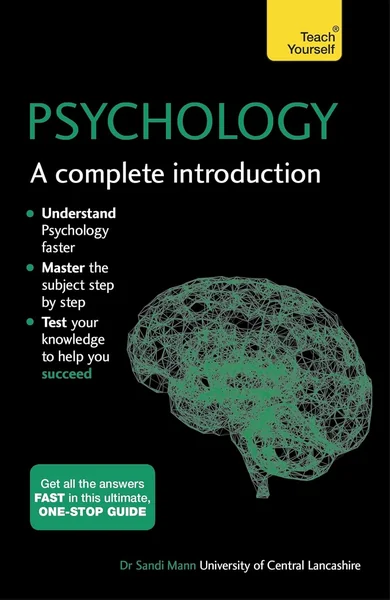
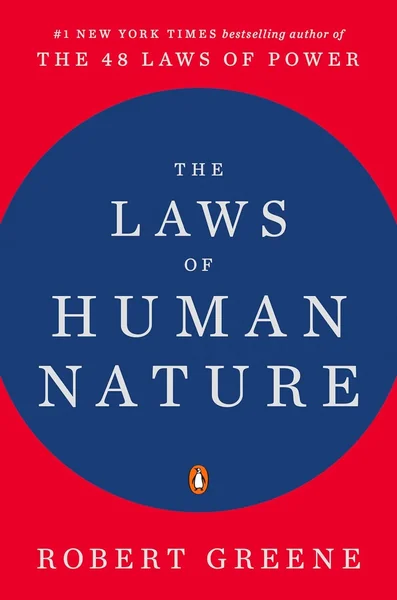
- Readers who enjoy The Psychology Book: Big Ideas Simply Explained will find strong companion reads among the titles curated below. Psych 101 by Paul Kleinman offers a similarly beginner-friendly overview of psychological facts, basics, and tests in a compact format. Psychology: A Complete Introduction by Sandi Mann provides a more prose-driven but still accessible survey of the field for those wanting slightly more depth. The Psychology of Everyday Life by Adrian Holt focuses on the biases and habits that shape daily behavior, which complements the broader historical sweep of the DK volume. For readers drawn to human nature and behavior from a more narrative angle, The Laws of Human Nature by Robert Greene and The Power of Habit by Charles Duhigg both explore psychological ideas through richly applied, real-world lenses.
- Who should read this?
- The Psychology Book: Big Ideas Simply Explained is designed for two distinct audiences: absolute beginners looking for a compelling, well-organized introduction to psychology, and those with some existing familiarity who want to refresh or consolidate their knowledge. The publisher positions it as covering material comparable to a Psych 101 course, making it a practical orientation tool for students entering the field. Beyond formal study, it works equally well as a general-interest read for anyone curious about human behavior and mental life, and its visual, browse-friendly format particularly suits self-directed learners who benefit from structured visual presentation over continuous academic prose.
- What's the reading level?
- The Psychology Book: Big Ideas Simply Explained is written for a general adult audience and requires no prior academic background in psychology. DK's editorial philosophy across the Big Ideas series is explicitly designed to make complex academic subjects legible to non-specialists, and PsychCentral.com confirmed that the explanations are simplified and presented in multiple visual formats. The layered design — with mind maps, graphics, tables, and fact files carrying much of the explanatory work — makes the content accessible even for readers who find dense academic prose challenging.
- How does it compare to The Philosophy Book by DK?
- Both The Psychology Book and The Philosophy Book are part of DK's Big Ideas series and apply identical editorial and design philosophies — mind maps, step-by-step summaries, graphics, fact files, and a broad historical sweep from ancient thinkers to modern figures. The key difference is disciplinary focus: The Psychology Book concentrates on human behavior, cognition, and mental processes, while The Philosophy Book covers the broader philosophical tradition. For readers interested in the overlap — particularly foundational questions about free will and the mind-body relationship, which The Psychology Book explicitly addresses — reading both volumes together offers a natural and complementary pairing.
- What are the main themes?
- The book's central themes revolve around foundational questions about human experience: how bodies and minds work together, whether human beings have free will, and what drives human behavior, cognition, and mental life. It surveys the key ideas across the full history of psychology — from ancient philosophical roots through 19th- and 20th-century pioneers to contemporary scientists — examining how understanding of human nature, behavior, and mental processes has evolved over time. Rather than advocating for any single school of thought, the book is structured as a broad overview designed to introduce readers to the landscape of competing ideas and thinkers that have shaped psychology as a discipline.
Summarize this book
Follow up
Synthesized from verified book data & published reviews · How we review
Press Enter to ask. Answers come from our editorial Q&A — start typing to see related questions.
Age & Reading Level
Recommended age
Adult
Reading level
Adult
who it suits
Skip if you want rigorous academic analysis or in-depth engagement with primary psychological sources and competing schools of thought.
Our Review
What the Book Actually Is and Covers
Place in the Series and the Field
Structural Strengths: How It Communicates
Genuine Limitations: Depth vs. Breadth
Who This Book Is genuinely For
Sources & Further Reading
The key facts and claims in this review are grounded in the retrieved, verified sources listed below.
- Cited in this review
- 1
- 2
penguinrandomhouse.com
- Further reading
- 3
- 4
- 5
- 6
- 7
- 8
thebookbundle.com
- 9
Books like The Psychology Book
Curated picks for readers who enjoyed The Psychology Book, with our reasoning for each match.
If you liked The Psychology Book