7 min read
4.6
· 2,424 Amazon ratingsShare This Review
Psych 101 by Paul Kleinman Review: An Accessible Primer on Human Behavior
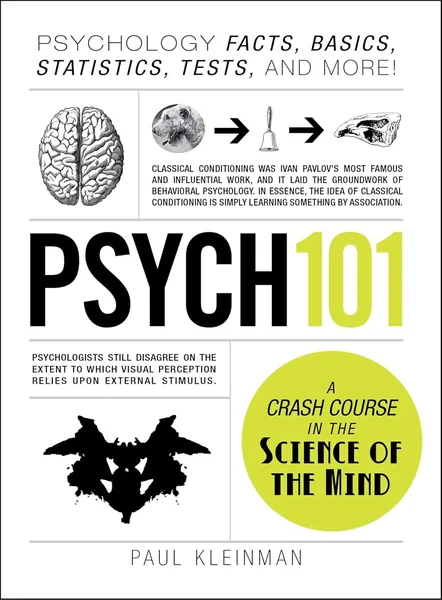
Psych 101: Psychology Facts, Basics, Statistics, Tests, and More by Paul Kleinman is a compact, accessible introduction to psychology published by Adams Media in 2012, designed to strip away academic tedium and deliver the discipline's core theories, figures, and experiments in an engaging, quiz-driven format suited to curious general readers.
LuvemBooks Verdict
Best for
General readers who are psychology-curious but not ready to commit to a full academic text — including students wanting a readable supplement to an introductory course and anyone drawn to self-knowledge or pop psychology.
Worth it if
You want a broad, jargon-free orientation to psychology's major names, landmark experiments, and foundational concepts — delivered in a participatory, quiz-forward format rather than a dense academic argument.
Skip if
You have any prior formal study of psychology or are seeking analytical depth, engagement with ongoing field debates, or rigorous coverage of any single psychological tradition — the deliberately bite-sized format won't satisfy.
What readers & critics say
An Audible listener called it "an excellent doorstep for readers who have no previous exposure to psychology," praising its smooth language and clear organisation (Audible.com). A dissenting reader at nopagegetsleftbehind.wordpress.com found it engaging at first but ultimately "repetitive," likening the later sections to a "boring old Professor that continuously talks and talks."
Sources: Audible.com, No Page Gets Left Behind (WordPress blog)Ask LuvemBooks
Was this helpful?
- Is it worth reading?
- For the right reader, yes. Psych 101 delivers genuine value as a breadth-first orientation to psychology's major names, landmark experiments, and foundational concepts without requiring any prior knowledge or commitment to a full academic text. Its quiz-driven, anti-textbook format keeps engagement high and makes it a natural fit for self-directed learners, students looking for a supplementary overview, or general-interest readers who want to understand what makes people tick. Readers with prior formal study of psychology, or anyone seeking rigorous engagement with methodology or ongoing debates in the field, will find the coverage too shallow to satisfy.
- Similar books
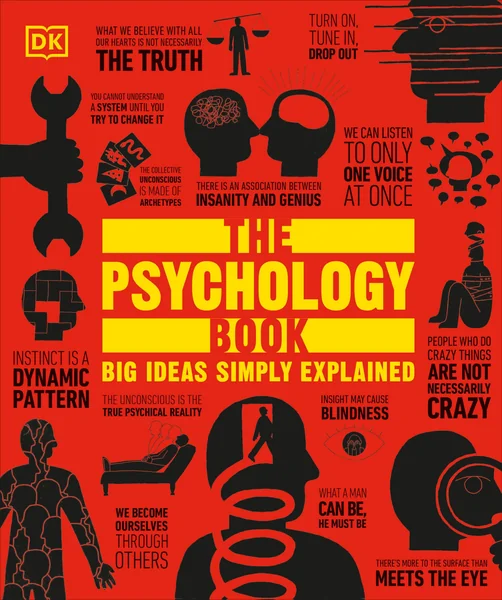
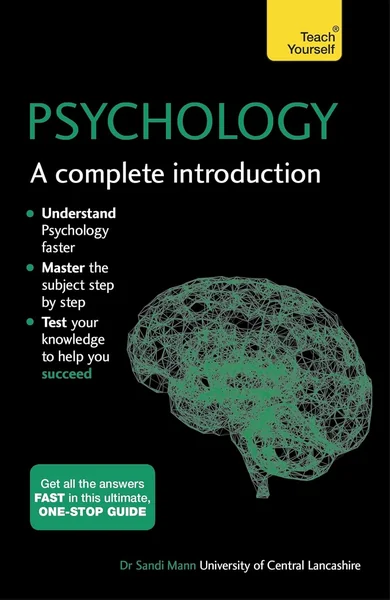
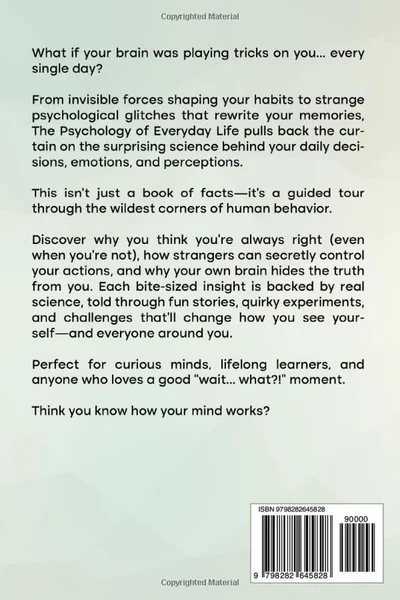
- Readers who enjoyed Psych 101 or want to take the next step have strong options across the spectrum of depth and accessibility. Psychology: A Complete Introduction by Sandi Mann and The Psychology Book: Big Ideas Simply Explained by DK both offer broader, more detailed overviews of the field while remaining accessible to general readers. For psychology applied to everyday life, The Psychology of Everyday Life by Adrian Holt is a natural companion. Those drawn to behavioral science and habit formation may find The Power of Habit by Charles Duhigg a compelling next read, while The Laws of Human Nature by Robert Greene applies psychological insight to understanding motivation and behavior at a more expansive scale.
- Who should read this?
- Psych 101 is best matched to general readers who are psychology-curious but unready or unwilling to commit to a full academic text. It also works well as an informal supplementary companion for students in introductory psychology courses who want a more readable parallel to their coursework. Self-directed learners, gift recipients with a passing interest in human behavior or self-knowledge, and anyone who wants an engaging, quiz-based entry point into the field are all natural fits. It is not positioned for readers seeking graduate-level rigor, clinical insight, or a scholarly treatment of any single psychological tradition.
- About Paul Kleinman
- Paul Kleinman was born in New York City and grew up in White Plains, New York. He graduated from the University of Wisconsin in 2009 with degrees in Art and Communication Arts: Radio, Television and Film. He is the author of works including Philosophy 101: From Plato and Socrates to Ethics and Metaphysics, an Essential Primer on the History of Thought.
- What's the reading level?
- Psych 101 is written for a general adult audience and requires no prior background in psychology or any other academic discipline. The tone is deliberately anti-textbook — jargon is stripped away in favor of plain, engaging prose — making it accessible to confident teen readers as well as adults. It is not written for specialists, and its bite-sized format is calibrated for readers who want approachability over density.
- Does the book include quizzes or tests?
- Yes — interactive quizzes and personality tests are a core feature of Psych 101's design, not incidental additions. The publisher's description explicitly frames the book as offering a 'hands-on approach to exploring the human mind,' and the inclusion of elements like the Rorschach Blot Test alongside factual entries means the reading experience is participatory by design. This quiz-driven format invites readers to test their own understanding and self-knowledge as they move through the material, which is a key differentiator from standard popular-science reading.
Summarize this book
Follow up
Synthesized from verified book data & published reviews · How we review
Press Enter to ask. Answers come from our editorial Q&A — start typing to see related questions.
Age & Reading Level
Recommended age
Adult
Reading level
Adult
who it suits
Skip if you're looking for analytical depth, engagement with ongoing debates in psychology, or any treatment more rigorous than a surface-level popular primer.
Our Review
What the Book Is and What It Covers
Design Philosophy and Format
Strengths: Range, Tone, and Approachability
Limitations: Depth and Audience Ceiling
Who This Book Is For
Sources & Further Reading
The key facts and claims in this review are grounded in the retrieved, verified sources listed below.
- Cited in this review
- 1
- 2
- 3
addspeaker.net
- Further reading
- 4
- 5
Books like Psych 101
Curated picks for readers who enjoyed Psych 101, with our reasoning for each match.
If you liked Psych 101