9 min read
5.0
· 51 Amazon ratingsShare This Review

Our review
Good-bye Anxiety, Depression, Addiction & PTSD
Good-bye Anxiety, Depression, Addiction & PTSD by Fredric Schiffer M.D. Review: A Clinician's Case for Dual-Brain Healing
This review covers the content and published reception of Good-bye Anxiety, Depression, Addiction & PTSD by Harvard-trained psychiatrist Dr. Fredric Schiffer, published by Stoneway Press in September 2024 — not hands-on application of its techniques. The book presents Schiffer's Dual-Brain Psychology framework, arguing that each brain hemisphere can support a distinct "mind" — one healthy and mature, the other often held in trauma — and that targeting the troubled hemisphere can alleviate anxiety, depression, addiction, and PTSD. It is designed to serve both mental health professionals and general readers seeking self-directed tools for recovery.
LuvemBooks Verdict
Best for
Readers — whether general individuals or mental health practitioners — who are drawn to neuroscience-based explanations for trauma, anxiety, depression, or addiction and want both a conceptual framework and practical self-directed tools grounded in hemisphere-specific brain research.
Worth it if
Worth reading if you have a genuine stake in understanding the neurological roots of trauma and are open to an unconventional, hemisphere-based therapeutic framework that goes well beyond standard cognitive-behavioral or medication-centered approaches.
Skip if
Skip it if you require broad, independent peer-reviewed validation of a clinical framework before engaging with it, or if you're looking for a conventional mainstream approach to mental health treatment with wide critical consensus behind it.
What readers & critics say
Reader commentary on barnesandnoble.com describes Schiffer's dual-brain framework as "a promising framework for understanding how traumatic experiences are processed and stored in different parts of the brain," praising the book's ability to bridge complex neuroscience with practical application. The book's companion site, dualbrainpsychology.com, features a blurb from a psychiatrist and New York Times bestselling author of The Body Remembers, who credits Schiffer with clarifying "the neuroscience of our dual-brain system" while providing "numerous illustrations of how the application of this understanding can lead to healthier happier lives."
Sources: Barnes & Noble, Dual Brain Psychology (dualbrainpsychology.com)Ask LuvemBooks
Was this helpful?
- Is it worth reading?
- For readers drawn to neuroscience-based explanations for emotional struggles — particularly those who have found traditional therapeutic approaches insufficient — Good-bye Anxiety, Depression, Addiction & PTSD offers a stimulating and practically oriented framework. A credentialed psychiatrist identified as the New York Times bestselling author of The Body Remembers has publicly praised the book for clarifying "the neuroscience of our dual-brain system" and illustrating its real-world applications. Reader commentary on Barnes & Noble describes the framework as "a promising framework for understanding how traumatic experiences are processed and stored" and calls the book "a very impressive read." The important caveat is that the independent peer-reviewed scientific standing of Dual-Brain Psychology is not firmly established by available published sources, and the positive reception comes from a relatively narrow base rather than broad, multi-outlet critical consensus.
- Similar books
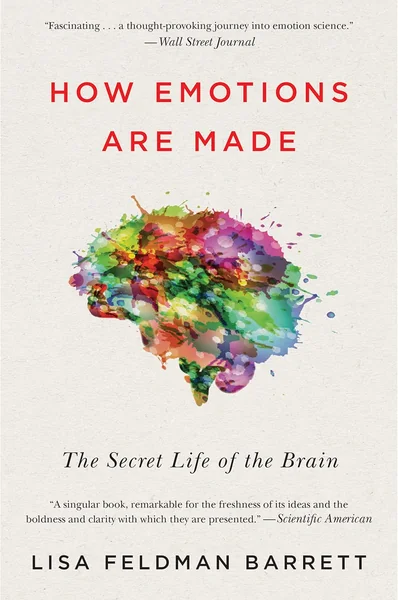
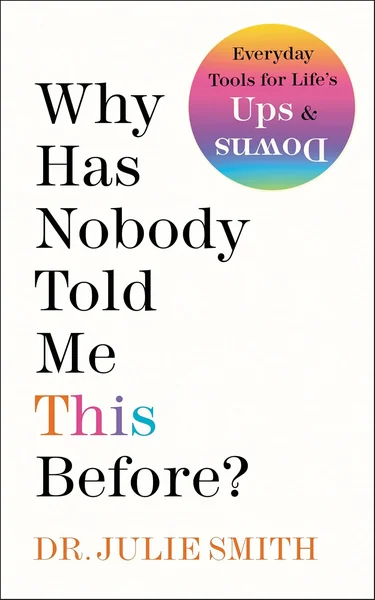
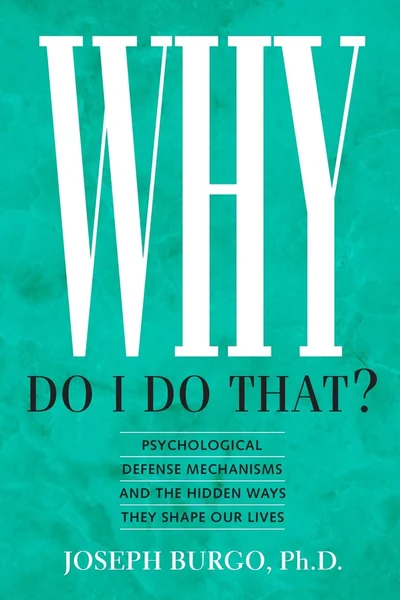
- Readers drawn to Good-bye Anxiety, Depression, Addiction & PTSD will find natural companions in several neuroscience-meets-self-help titles. Mark Wolynn's It Didn't Start with You explores how trauma is inherited and processed across generations, while Jeffrey M. Schwartz's Brain Lock, Twentieth Anniversary Edition offers a neurologically grounded, self-directed approach to breaking compulsive patterns. Lisa Barrett's How Emotions Are Made challenges conventional models of emotional processing with brain-science evidence — similarly unconventional territory. For readers seeking accessible psychology with practical tools, Julie Smith's Why Has Nobody Told Me This Before? and Joseph Burgo's Why Do I Do That? both bridge theory and self-directed application in a comparable spirit.
- Who should read this?
- Good-bye Anxiety, Depression, Addiction & PTSD is written for two overlapping audiences: mental health professionals seeking an unconventional, hemisphere-specific lens on trauma processing, and general readers who have found traditional therapeutic approaches insufficient and are drawn to neuroscience-based explanations for anxiety, depression, addiction, or PTSD. Its ideal reader has a genuine stake in understanding trauma's neurological roots, not merely a casual interest in popular psychology. Those already working within trauma-informed care frameworks may find Schiffer's model a stimulating supplement, while general readers who want both theory and practical self-directed tools will find the dual design of the book directly serves their needs.
- What age is it for?
- Best for readers aged 16 and up, as indicated by the book's own stated reading age. The neuroscientific content and direct engagement with anxiety, depression, addiction, and PTSD require a level of maturity and comprehension suited to older teens and adults. The book's primary orientation is toward adult readers and mental health professionals, with mature teens who are personally navigating trauma-related conditions falling within its intended range.
- What are the main themes?
- The central themes of Good-bye Anxiety, Depression, Addiction & PTSD are the neurological roots of emotional suffering and the possibility of self-directed recovery through understanding the brain's dual-hemisphere structure. Schiffer argues that childhood trauma becomes lodged in one hemisphere's "mind," producing anxiety, depression, addiction, and PTSD, while the other hemisphere holds a "calmer, wiser, stronger" self that can be accessed through targeted techniques. Broader themes include the integration of neuroscience into therapeutic practice, the limits and potential of self-directed healing, and the importance of bridging professional clinical knowledge with practical tools for general readers.
- How scientifically credible is it?
- Dr. Fredric Schiffer is a Harvard-trained psychiatrist whose clinical credentials lend institutional weight to his framework, and the book has received a favorable blurb from a psychiatrist identified as the New York Times bestselling author of The Body Remembers. Reader commentary describes Dual-Brain Psychology as "a promising framework for understanding how traumatic experiences are processed and stored in different parts of the brain." However, the independent peer-reviewed scientific standing of Dual-Brain Psychology as a clinical framework is not established by available published sources — making it difficult to assess how well the theory is validated outside Schiffer's own research program. The book is best approached as a credentialed, stimulating, but unconventional contribution to the trauma-neuroscience conversation rather than settled clinical consensus.
Summarize this book
Follow up
Synthesized from verified book data & published reviews · How we review
What would you like to know about Good-bye Anxiety, Depression, Addiction & PTSD?
Answers come from our editorial notes on this book. If we haven't covered something, we'll say so.
Readers often ask
Our Review
What the Book Argues and How It Is Structured
Its Place in Schiffer's Body of Work

Bridging Neuroscience and Practical Application
Reception and Credibility Signals
Who Will Find It Most Useful
Sources & Further Reading
The key facts and claims in this review are grounded in the retrieved, verified sources listed below.
- 1
dualbrainpsychology.com
- 2
- 3
Age & Reading Level
Recommended age
Ages 16+
Reading level
Adult
3 content notes · who it suits
Content to know about
Best for: Ages 16+ — neuroscientific complexity and direct clinical engagement with addiction, PTSD, anxiety, and depression suit older teens and adults
Skip if you want a conventional cognitive-behavioral or medication-centered approach to mental health treatment
Reader reviews
Be one of the first readers to answer.
Read it? Was it right for you?
Books like Good-bye Anxiety, Depression, Addiction & PTSD
Curated picks for readers who enjoyed Good-bye Anxiety, Depression, Addiction & PTSD, with our reasoning for each match.

If you liked Good-bye Anxiety, Depression, Addiction & PTSD