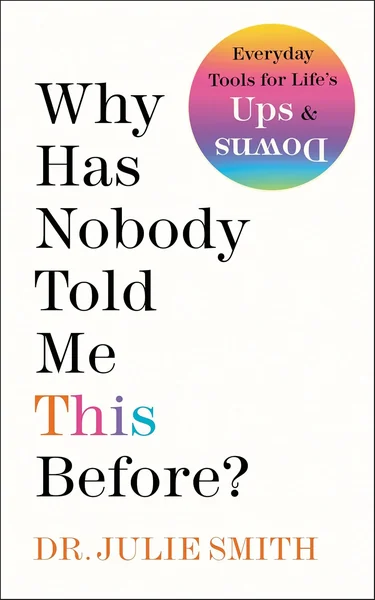
Why Has Nobody Told Me This Before?: An International Bestselling Guide to Mental Health
by Julie Smith
At a glance
About the Author
Julie Smith1 book reviewed
Why Has Nobody Told Me This Before?
An International Bestselling Guide to Mental Health
by Julie Smith
LuvemBooks Verdict
Best for: The reader Smith's title addresses — someone who suspects nobody ever explained how their own mind works and wants a clear, clinician-written, evidence-based first toolkit they can dip into during a difficult week.
Worth it? Skip it? Read the full verdict →Ask LuvemBooks
Was this helpful?
- Is it worth reading?
- Yes — with one clear caveat. It's an international bestseller written by a practising clinical psychologist, endorsed by Lori Gottlieb as 'Smart, insightful, and warm' and described by one reviewer as 'accessible, no-nonsense, evidence-based and practical'. It works best as an accessible first port of call: readers wanting an extended, rigorous treatment of a single issue will find it introductory by design, and those already well versed in CBT-informed self-help may find much of the material familiar.
- Similar books
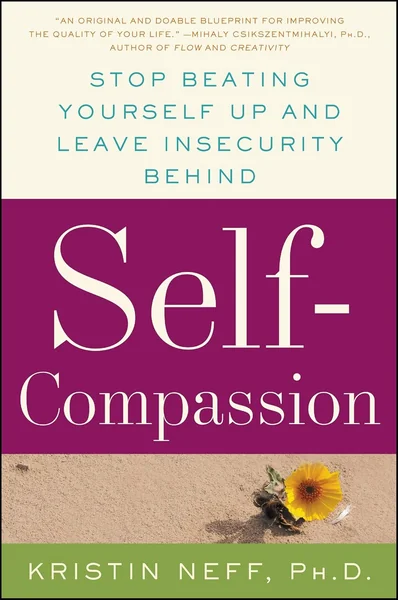
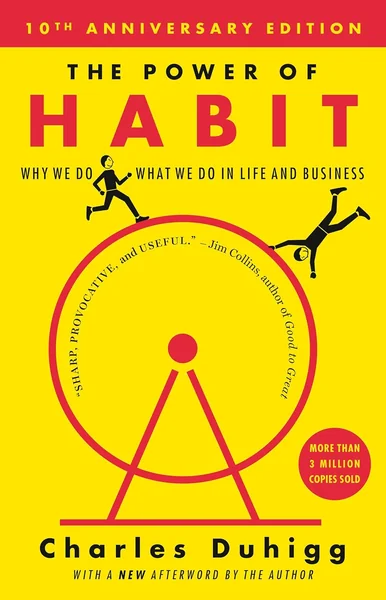
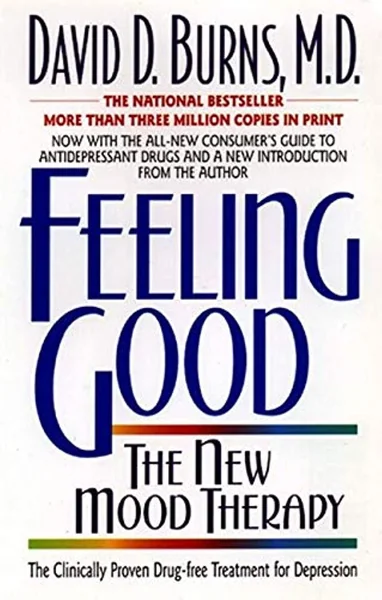
- Readers who like Smith's practical, evidence-based approach have several strong companions. Kristin Neff's Self-Compassion goes deeper on one of Smith's core themes — treating yourself kindly; Charles Duhigg's The Power of Habit covers the behavioural science behind building better routines; and David D. Burns' Feeling Good is the classic CBT-based guide to low mood that Smith's work draws on. Also in this vein: Steve Peters' The Chimp Paradox, Nedra Glover Tawwab's Set Boundaries, Find Peace, and Smith's own follow-up, Open When.
- Who should read this?
- The reader Smith's title addresses directly: someone who suspects there are things about their own mind that nobody ever explained, and who wants a clear, compassionate starting point. It's ideal for readers wary of vague wellness advice — its evidence-based framing reassures — and for anyone wanting a first mental-health toolkit from a practising clinician, or a gift for someone in that position. The dip-in format suits people who want specific guidance in a difficult moment rather than a cover-to-cover commitment.
- How does the dip-in format work?
- It's built for dipping in as needed. Rather than a single sustained argument, the book is organised into short, easy-to-digest entries so readers can find specific guidance in the moment — on low mood one day, motivation the next. The publisher describes it as 'secrets from a therapist's toolkit' without psychobabble, and that browse-by-need design is central to how it works.
- What topics does it cover?
- Per the publisher's breakdown, it moves across the everyday terrain of emotional difficulty: the science of low mood, anxiety and stress, plus practical strategies for dealing with emotional pain and self-doubt. It then turns to building self-worth, finding motivation and handling criticism. The scope is deliberately broad — common life challenges rather than any single condition or clinical diagnosis.
- What are the book's limitations?
- The same qualities that make it approachable define its ceiling. The bite-sized, browse-by-need format trades depth for accessibility, so it is introductory by design on any single issue — severe depression, trauma or complex anxiety will need more than a general toolkit. It is a self-help guide drawing on therapeutic skills, not a substitute for therapy, and readers already versed in CBT-informed self-help may find much of the material familiar.
Summarize this book
Follow up
Synthesized from verified book data & published reviews · How we review
Press Enter to ask. Answers come from our editorial Q&A — start typing to see related questions.
Age & Reading Level
Recommended age
Adult
Reading level
Adult
3 content notes · who it suits
Content to know about
Skip if you want a deep, rigorous treatment of a single condition like severe depression or trauma — this is an introductory toolkit by design, not a substitute for therapy.
Editorial Review
Clinical psychologist and TikTok phenomenon Dr Julie Smith distils a therapist's toolkit into bite-sized entries on low mood, anxiety, motivation and self-doubt. An international bestseller with over a million copies sold, it works best as an accessible first port of call.
Read the Full ReviewBooks like Why Has Nobody Told Me This Before?
Curated picks for readers who enjoyed Why Has Nobody Told Me This Before?, with our reasoning for each match.
If you liked Why Has Nobody Told Me This Before?