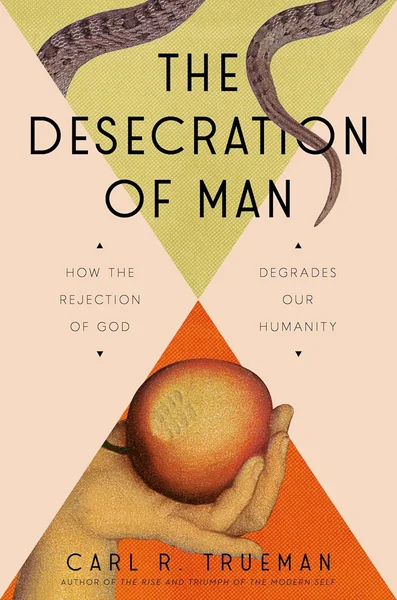
C. S. Lewis
British
1898 - 1963
Clive Staples Lewis was a British author, literary scholar and Anglican lay theologian. He held academic positions in English literature at both Magdalen College, Oxford (1925–1954), and Magdalene College, Cambridge (1954–1963). He is best known as the author of The Chronicles of Narnia, but he is also noted for his other works of fiction, such as The Screwtape Letters and The Space Trilogy, and for his non-fiction Christian apologetics, including Mere Christianity, Miracles and The Problem of Pain.
On LuvemBooks, we've reviewed The Four Loves.
1
Books ReviewedAsk LuvemBooks about C. S. Lewis
C. S. Lewis is one of the twentieth century's most widely read British writers, and LuvemBooks has reviewed one of his works so far. The Four Loves — his close examination of affection, friendship, romantic love, and charity as distinct but interrelated experiences — shows Lewis at his most characteristic: a scholar who uses precise analytical categories to argue a moral and theological case in plain, conversational prose. Readers drawn to that kind of rigorous but accessible writing on the inner life will find his work consistently rewarding.
- Where should I start?
- If you want to sample Lewis through the books LuvemBooks has reviewed, The Four Loves is the natural entry point — and it earns that recommendation on its own merits. It is short, self-contained, and written in the same plain argumentative style Lewis uses across his non-fiction, so it gives you a reliable sense of how he thinks and how he writes before you branch out into his fiction or his longer theological works. Its Amazon reader rating of 4.7/5 from nearly two thousand reviewers suggests it lands consistently well with a wide range of readers.
- What's their writing style?
- Lewis writes in a distinctly conversational but intellectually demanding voice — he addresses the reader directly, anticipates objections, and dismantles them with the habits of a trained debater, all without becoming stiff or academic in tone. In The Four Loves he structures a complex philosophical argument by breaking a broad concept into precise subcategories and then testing each one against recognisable human experience, which is characteristic of how he handles ideas across his non-fiction. The effect is prose that feels approachable but rarely lets you off the hook.
- Books we've reviewed
- LuvemBooks has reviewed one C. S. Lewis title so far. The Four Loves (Philosophy & Religion) is a systematic examination of the four types of love Lewis identifies — affection, friendship, eros, and charity — argued with characteristic clarity and grounded in both classical philosophy and Christian theology; it carries an Amazon reader rating of 4.7/5 from 1,986 ratings.
- What genre do they write?
- Lewis wrote across several genres — most famously fantasy fiction (The Chronicles of Narnia), but also Christian apologetics, literary scholarship, and personal memoir. The book LuvemBooks has reviewed, The Four Loves, sits in Philosophy and Religion, which is representative of the non-fiction half of his output: works that use careful argument to make a case about how human beings ought to think about their lives. His notable work The Horse and His Boy belongs to his fiction, showing how wide his range actually is.
- What should I read after The Four Loves?
- If The Four Loves has drawn you to Lewis's non-fiction voice, Mere Christianity is the most natural next step — it is the fullest statement of his Christian apologetics and uses the same methodical, conversational approach to build a cumulative argument across a longer text. If you want to see how his ideas translate into fiction, The Screwtape Letters is a short, self-contained novel that dramatises many of the same themes around love, temptation, and human nature that The Four Loves addresses directly.
Who is C. S. Lewis?
Where should I start?
What's their writing style?
Books we've reviewed
What genre do they write?
What should I read after The Four Loves?
Who is C. S. Lewis?
Clive Staples Lewis (1898–1963) was a British author, literary scholar, and Anglican lay theologian, most widely known for his fiction and his Christian apologetics. He held academic posts at both Oxford and Cambridge and brought that scholarly background to everything he wrote, whether it was fantasy for children, literary criticism, or theological argument. His Amazon reader rating of 4.7/5 across his reviewed work reflects the enduring loyalty he commands across very different kinds of readers.
Follow up
What did C. S. Lewis teach at university?
Was C. S. Lewis always a Christian?
Synthesized from verified book data & published reviews · How we review
Press Enter to ask. Answers come from our editorial Q&A — start typing to see related questions.
Authors Like C. S. Lewis

Aldous Huxley
Philosophy & Religion
Aldous Huxley’s The Perennial Philosophy surveys divine love and selflessness across world mystical traditions, offering a broader comparative lens on the theological ideas Lewis explores.
2 books reviewed
V
Viktor E. Frankl
Philosophy & Religion
Man's Search for Meaning grounds meaning in love and suffering, exploring through psychology and lived testimony what Lewis examines through theology.
1 book reviewed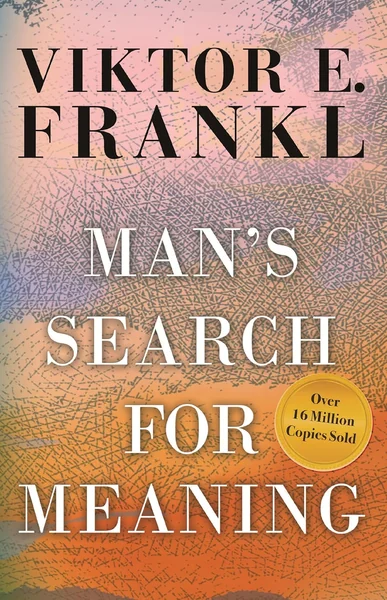
D
David Brooks
Philosophy & Religion
David Brooks's The Second Mountain explores commitment to spouse and family, offering a companion to Lewis's reflections on the varieties of love.
1 book reviewed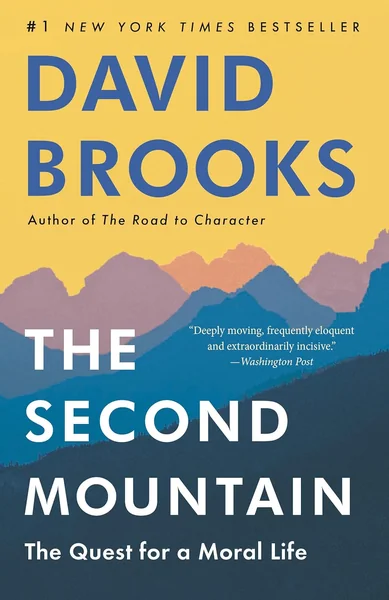

Alain De Botton
Philosophy & Religion
Alain de Botton shares Lewis's accessible warmth in The Consolations of Philosophy, applying philosophical wisdom to love, loss, and longing from a firmly secular position.
1 book reviewed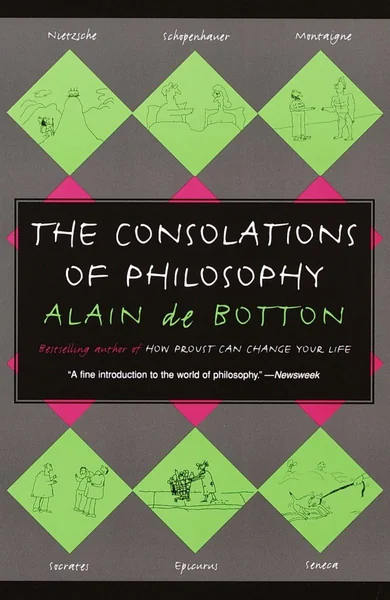
A
Ancius Boethius
Philosophy & Religion
Boethius’s The Consolation of Philosophy parallels Lewis’s work by using accessible prose to reconcile human longing with divine order.
1 book reviewed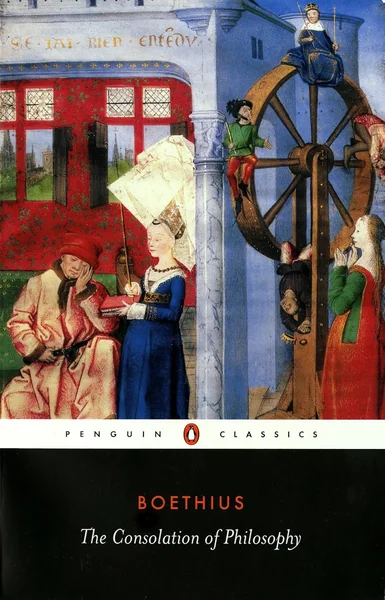

Carl Trueman
Philosophy & Religion
Carl Trueman's The Desecration of Man offers a scriptural diagnosis of desacralized culture, exploring human value and desire alongside Lewis's theological arguments.
1 book reviewed