
9 min read
4.8
· 93 Amazon ratingsShare This Review
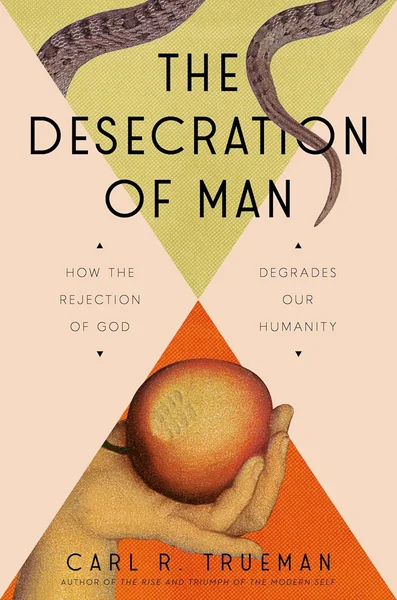
The Desecration of Man by Carl Trueman Review: A Rigorous Christian Cultural Critique
Carl Trueman's The Desecration of Man builds on his earlier work to argue that the rejection of the imago Dei — the theological truth that human beings are made in the image of God — is the root cause of Western culture's deepest crises, and that only a return to consecration can restore genuine human dignity.
LuvemBooks Verdict
Best for
Pastors, theologians, and engaged Christian laypeople — especially those familiar with Trueman's earlier work — who want a tightly argued, theologically grounded diagnosis of modern culture's crisis of meaning rooted in the rejection of the imago Dei.
Worth it if
You want a sharper, more pastoral crystallisation of Trueman's ongoing cultural-criticism project that moves beyond lament to offer a constructive vision drawn from the Early Church's example.
Skip if
Skip it if you're looking for a devotional or popular-level treatment of cultural decline, or if you need the imago Dei argued from first principles rather than taken as the foundational premise of the entire case.
What readers & critics say
The Gospel Coalition describes the book as "an important volume for understanding our culture," crediting it with introducing a wider audience to the significance of theological anthropology for social ethics. The Federalist calls it an "excellent new book," identifying desecration as Trueman's one-word summary of the unifying impulse behind modern cultural upheaval. Challies.com highlights Trueman's engagement with Nietzsche and the concept of man as self-creator as a compelling through-line, while Tabletalk Magazine frames the book as a timely defence of the biblical doctrine of humanity at what it sees as the focal point of cultural attack on the church today.
Sources: The Gospel Coalition, The Federalist, Challies.com, Tabletalk MagazineLook inside the book
Preview the actual pages, via Google BooksIn This Review
- What Works & What Doesn't
- What the Book Actually Argues
- Context and Significance
- Strengths Noted by Advance Readers
- Genuine Limitations and Who May Be Frustrated
- Who This Book Is For
What Works & What Doesn't
What Works
- Tightly argued thesis connecting the rejection of the imago Dei to specific modern cultural crises — abortion, pornography, and gender ideology — rather than resting on vague cultural decline narratives
- Praised by advance readers including Cardinal Timothy Dolan and First Things as 'clear-headed, exquisitely written, and profoundly learned'
- Moves beyond diagnosis to offer a constructive vision, drawing on the Early Church's model of offering life in place of death as a blueprint for contemporary Christians
- Mary Harrington's endorsement highlights the book's capacity to speak meaningfully to thoughtful secular readers, not only confessional Christians
- Draws on Trueman's established command of church history and philosophical genealogy, building on the foundation laid in The Rise and Triumph of the Modern Self
What Doesn't
- The argument takes the imago Dei as a foundational given rather than building toward it from shared premises, which limits its persuasive reach for readers who do not begin from a Christian theological standpoint
- The reliance on church history and philosophical genealogies means the book is unlikely to satisfy readers seeking a devotional or popular-level treatment of its themes
What the Book Actually Argues
Context and Significance
Strengths Noted by Advance Readers
Genuine Limitations and Who May Be Frustrated
Who This Book Is For
Frequently Asked Questions
Sources & Further Reading
The key facts and claims in this review are grounded in the retrieved, verified sources listed below.
- 1
challies.com
- 2
tabletalkmagazine.com
- 3
- 4
thegospelcoalition.org
- 5
penguinrandomhouse.com
- 6
- 7
Related Reviews
Reviews of books we picked for readers who enjoyed The Desecration of Man.


Reader Comments
No comments yet
Be the first to share your thoughts!