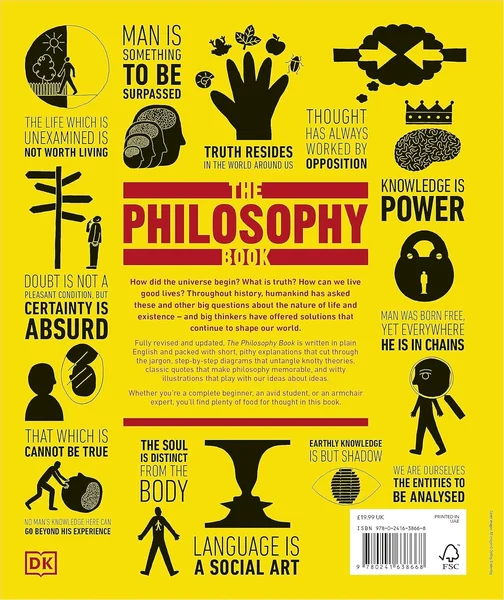
DK The Philosophy Book Big Ideas Simply Explained (DK Big Ideas).
by D.K. Publishing
At a glance
About the Author
D.K. Publishing1 book reviewed
DK The Philosophy Book Big Ideas Simply Explained
(DK Big Ideas).
by D.K. Publishing
LuvemBooks Verdict
Best for: Curious general readers — students, self-directed learners, and intellectually minded gift recipients — who want a visually rich, historically connected overview of philosophy from antiquity to the modern age without committing to dense academic texts.
Worth it? Skip it? Read the full verdict →Preview the book
Ask LuvemBooks
Was this helpful?
- Is it worth reading?
- For curious general readers, students, and self-directed learners who have found traditional introductions to philosophy inaccessible or dry, The Philosophy Book is a genuinely worthwhile entry point. Its mind maps and biography/context boxes do structural work that most beginner guides skip — showing how thinkers respond to each other rather than simply listing ideas in isolation. The caveat is clear: readers seeking rigorous, sustained engagement with primary philosophical texts will find the survey-level format too introductory, and the graphic-heavy template can occasionally reduce nuanced debates to headline statements. Within its intended scope, however, it functions well both as a starting point and as a household reference to return to across different points of interest.
- Similar books
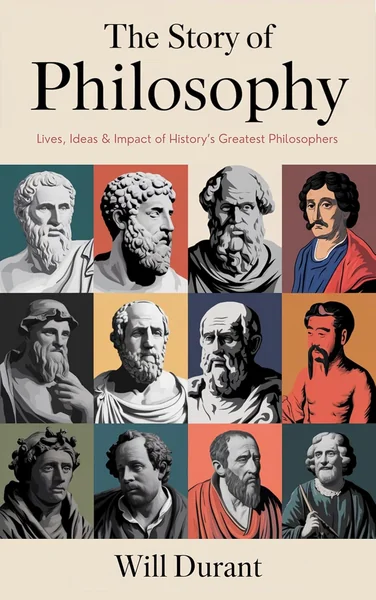
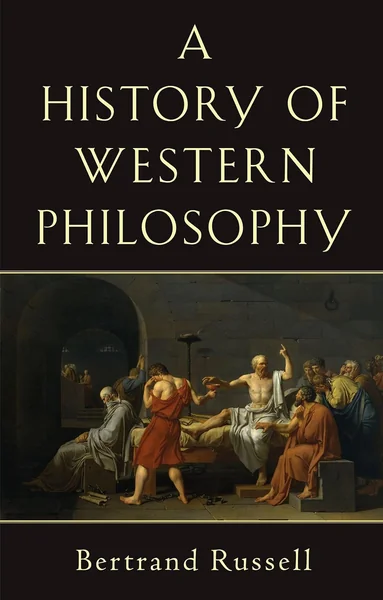
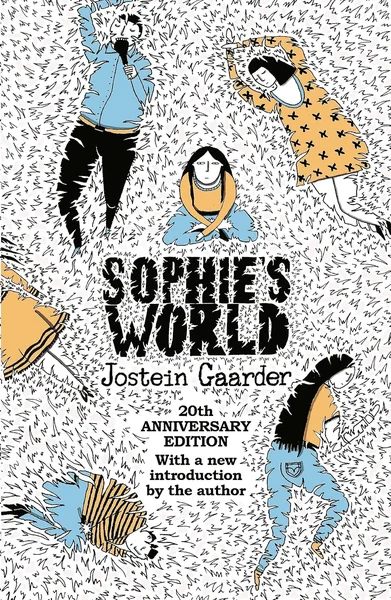
- Readers drawn to The Philosophy Book as an accessible survey have several strong alternatives to explore. Will Durant's The Story of Philosophy: Lives and Ideas offers a narrative-driven tour of major thinkers with a similar humanistic warmth. Bertrand Russell's The History of Western Philosophy covers comparable ground but with greater analytical rigour, making it a natural next step for readers ready to go deeper. For a gentler, story-based introduction, Jostein Gaarder's Sophie's World weaves the history of philosophy into a novel format. Paul Kleinman's Philosophy 101 and Alain de Botton's The Consolations of Philosophy both share DK's accessible, general-reader orientation, while Simon Blackburn's Think: A Compelling Introduction to Philosophy bridges the gap between introductory and academic treatment.
- Who should read this?
- The Philosophy Book is most squarely aimed at curious general readers — students, self-directed learners, and anyone who has found traditional introductions to philosophy inaccessible or dry. Readers who already enjoy DK's illustrated reference style in other disciplines such as history, science, or psychology will find the format immediately familiar. It is also well-suited to readers who want to understand how big social, political, and ethical ideas are formed and how they connect across history, rather than those pursuing a purely technical academic engagement. Readers with advanced prior knowledge of philosophy who are seeking in-depth engagement with primary texts are likely to find the survey-level format too introductory.
- What are the main themes covered?
- The book covers the central branches of philosophy through a historical lens: ethics (how we should live and act), political philosophy (how societies are organised), and metaphysics (questions about humanity's place in the universe and the nature of reality). These themes are not treated as isolated topics but as evolving conversations — the mind-map design shows how one idea flows into or challenges another across centuries and cultures. The publisher describes the book's orientation as exploring how 'big social, political, and ethical ideas are formed,' signalling a practical, humanistic approach rather than a purely technical one.
- What's the reading level?
- The book is designed for a general adult audience, but its visual layout and accessible writing make it approachable for motivated teen readers as well. The illustrated-reference format — with mind maps, biography boxes, and graphic elements — reduces the density that typically makes philosophy intimidating, so no prior knowledge of the subject is required. Readers who have found traditional academic introductions to philosophy dry or inaccessible are the primary intended audience, and the dual-audience design supports both beginners and those refreshing existing knowledge.
- How does the visual design work?
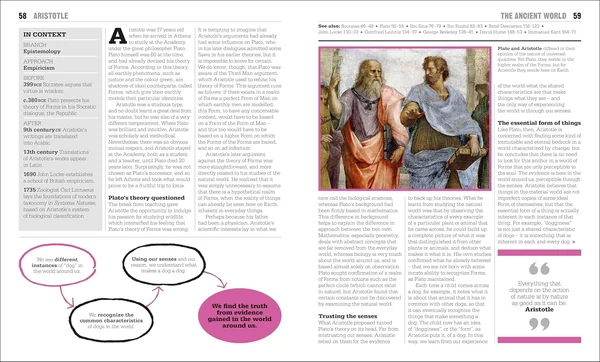
- The book's defining design feature is its use of mind maps to chart lines of philosophical thought, showing how one idea flows into or challenges another — a particularly well-suited approach for philosophy, where understanding a thinker often requires knowing who they were responding to. Biography and context boxes accompany each idea, placing thinkers within their wider historical, cultural, and social settings. A reader quotation collected at Barnes & Noble describes the Big Ideas Simply Explained books as 'beautifully illustrated with shadow-like cartoons that break down even difficult concepts into more graspable form.' The trade-off is that the graphic-heavy template can occasionally reduce nuanced debates to headline statements — an inherent constraint of the illustrated-reference genre rather than a flaw unique to this title.
Summarize this book
Follow up
Synthesized from verified book data & published reviews · How we review
Press Enter to ask. Answers come from our editorial Q&A — start typing to see related questions.
Age & Reading Level
Recommended age
Adult
Reading level
Adult
who it suits
Skip if you want rigorous, sustained engagement with primary philosophical texts rather than an illustrated survey.
Editorial Review
DK Publishing's The Philosophy Book: Big Ideas Simply Explained is a visually driven illustrated reference guide that surveys the history of philosophical thought — from antiquity to the modern age — designed to make foundational concepts in ethics, politics, and metaphysics accessible to beginners and established readers alike, as part of DK's award-winning, multimillion-copy Big Ideas Simply Explained series.
Read the Full ReviewBooks like DK The Philosophy Book Big Ideas Simply Explained
Curated picks for readers who enjoyed DK The Philosophy Book Big Ideas Simply Explained, with our reasoning for each match.
More by D.K. Publishing
If you liked DK The Philosophy Book Big Ideas Simply Explained