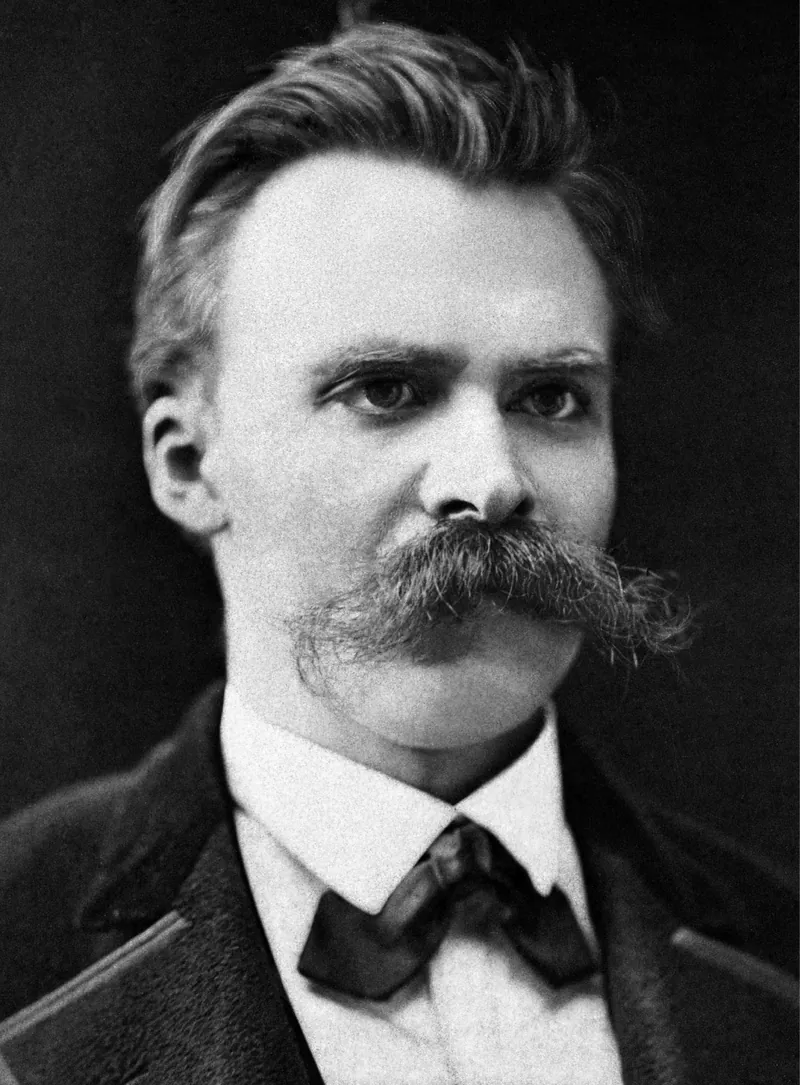
Friedrich Nietzsche
2
Books ReviewedFriedrich Nietzsche books in order
11 books; 2 reviewed on LuvemBooks. Dates and covers from Amazon.
 1961Our review →
 1966Our review →
 1967The Birth of Tragedy and The Case of WagnerAmazon ↗
 1968The Will to PowerAmazon ↗
 1974The Gay ScienceAmazon ↗
 1989On the Genealogy of Morals and Ecce HomoAmazon ↗
 1990The Twilight of the Idols and the Anti-ChristAmazon ↗
 1992Ecce HomoAmazon ↗
 1997DaybreakAmazon ↗
 2018The Joyous ScienceAmazon ↗
 2024The Idyll from Messina: Reader's EditionAmazon ↗

Thus Spoke Zarathustra: A Book for Everyone and No One
4.6/5
reader rating · 3,997 ratingsNietzsche's Thus Spoke Zarathustra: A Book for Everyone and No One sends the prophet Zarathustra down from his mountain to announce that God is dead and the Superman is his successor. Penguin calls it accessible, while Wikipedia stresses how figurative and contested its meaning is.
Reviewed Nov 2, 2026
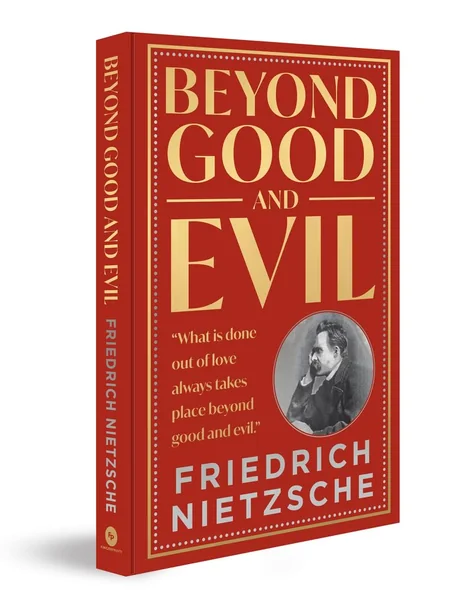
Beyond Good And Evil
4.6/5
reader rating · 4,360 ratingsFirst published in 1886, Friedrich Nietzsche's Beyond Good and Evil remains one of philosophy's most searching and polemical challenges to conventional morality, now available in a hardcover Fingerprint! Classics edition — making a foundational text accessible to a new generation of readers.
Reviewed Mar 23, 2026
Ask LuvemBooks about Friedrich Nietzsche
- Where should I start?
- Start with Beyond Good and Evil. Published in 1886, it is Nietzsche's most searching and polemical challenge to conventional morality, and its arguments stand on their own without the layered, figurative style that makes Thus Spoke Zarathustra harder to pin down. The Fingerprint! Classics hardcover makes it an accessible entry point, and it holds a 4.6/5 reader rating from over 4,300 Amazon ratings.
- What's their writing style?
- Nietzsche writes polemically — challenging and provoking rather than neutrally explaining. In Beyond Good and Evil that takes the form of a direct assault on conventional morality, while in Thus Spoke Zarathustra the ideas arrive through a prophetic, figurative voice whose meaning readers and scholars still contest. Across both reviewed books, the common thread is argument by confrontation: Nietzsche wants readers unsettled, not reassured.
- Books we've reviewed
- We've reviewed 2 Nietzsche books. Beyond Good and Evil (Fingerprint! Classics) is the 1886 polemic against conventional morality in an accessible hardcover edition, with a 4.6/5 reader rating from 4,360 Amazon ratings. Thus Spoke Zarathustra: A Book for Everyone and No One sends the prophet Zarathustra down from his mountain to announce that God is dead — accessible per Penguin, figurative and contested per Wikipedia — with a 4.6/5 reader rating from 3,997 Amazon ratings.
- How do their books compare?
- Beyond Good and Evil is the more straightforward entry: a direct, searching polemic against conventional morality, first published in 1886. Thus Spoke Zarathustra takes the opposite approach, delivering its announcement that God is dead — and that the Superman is his successor — through a prophetic narrative whose figurative meaning remains contested. Both hold identical 4.6/5 reader ratings from large Amazon aggregates, so the choice is really about whether you prefer argument or allegory.
- What genre do they write?
- Both Nietzsche books we've reviewed fall under Philosophy & Religion. More specifically, they write philosophical works that confront moral and religious assumptions — Beyond Good and Evil as direct argument, Thus Spoke Zarathustra as prophetic, figurative narrative. If you're coming from fiction, expect ideas and provocation rather than plot in the conventional sense.
- What should I read after Beyond Good and Evil?
- The natural next step among the books we've reviewed is Thus Spoke Zarathustra: A Book for Everyone and No One. After Nietzsche's direct assault on conventional morality, Zarathustra shows what comes next in their thought — the announcement that God is dead and the Superman is his successor. Be ready for a shift in register: where Beyond Good and Evil argues, Zarathustra proclaims, in a figurative style whose meaning is still debated.
Who is Friedrich Nietzsche?
Follow up
Synthesized from verified book data & published reviews · How we review
Press Enter to ask. Answers come from our editorial Q&A — start typing to see related questions.
Authors Like Friedrich Nietzsche

Viktor E. Frankl
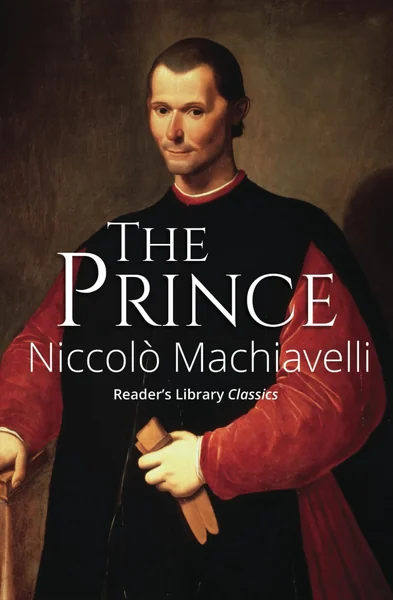
Niccolò Machiavelli

Jonathan Haidt


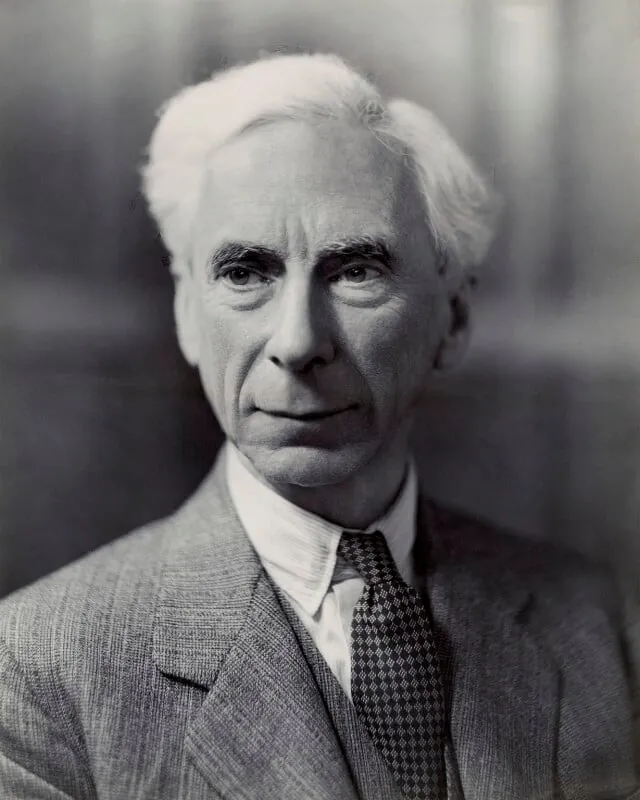
Bertrand Russell
Marcus Aurelius
Marcus Aurelius (April 26, 121 CE – March 17, 180 CE) was a Roman Emperor (161–180 CE) born into a wealthy patrician family in Rome. Raised by his mother and paternal grandfather after his father's death, he is best known for his *Meditations*, a series of private writings on Stoic philosophy that remain a key source for understanding ancient Stoicism.
2 books reviewed

Carl Trueman