
At a glance
LuvemBooks Verdict
Best for: Readers ready to engage with a foundational text of Black women's literature — particularly those drawn to fiction that centres the interior lives of silenced women through the lens of race, gender, and survival in the American South.
Worth it? Skip it? Read the full verdict →Ask LuvemBooks
Was this helpful?
- Is it worth reading?
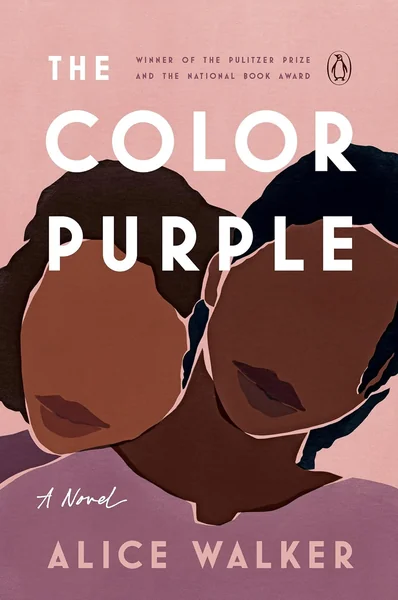
- For readers prepared for its unflinching subject matter, The Color Purple is widely regarded as one of the essential works of twentieth-century American fiction. Walker won both the 1983 Pulitzer Prize for Fiction and the National Book Award for Fiction — becoming the first Black woman to win the Pulitzer in that category — and critic Mel Watkins called it a "striking and consummately well-written novel" for its emotional force and structural innovation. Britannica credits the novel for its "eloquent use of Black English Vernacular" and the depth of its female characters, including Sofia, Shug Avery, and Nettie, each drawn with distinct moral and emotional complexity. Its decades of sustained readership across American literature, women's studies, and African-American studies curricula confirm a canonical standing that has only grown since 1982.
- Similar books
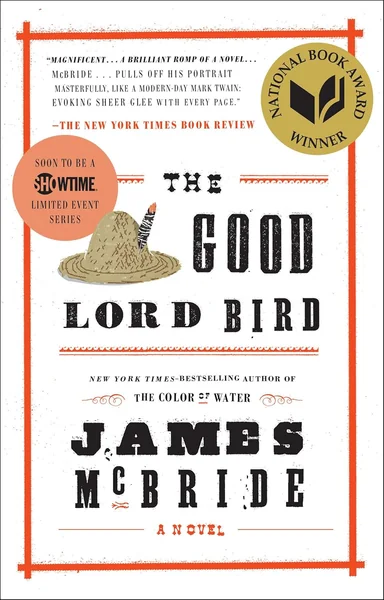
- Readers drawn to The Color Purple's grounding in African-American history and its centering of marginalized voices will find several strong companions in the curated selection below. Toni Morrison's Beloved shares the unflinching confrontation with slavery's trauma and the interior lives of Black women. Zora Neale Hurston's Their Eyes Were Watching God — a clear precursor to Walker's project — follows Janie Crawford through rural Southern Black life with the same investment in a woman's self-determined voice. James McBride's The Good Lord Bird and Geraldine Brooks's March both engage with the violent, morally complex history of race in America, while Kathleen Grissom's The Kitchen House explores antebellum power and survival from an intimate domestic perspective.
- Who should read this?
- The Color Purple is essential reading for anyone tracing the tradition of Black women's literature in the United States, and for readers who want fiction that centers the interior lives of women systematically silenced by the structures around them. It is a foundational text across American literature, women's studies, and African-American studies curricula, and a natural choice for readers who have already engaged with Toni Morrison or Zora Neale Hurston. Its frank treatment of rape, incest, physical abuse, and sexuality means it is best suited to adult readers — or mature older teens — prepared for unflinching subject matter. Readers who prefer trauma handled obliquely or off-page should approach with caution.
- About Alice Walker
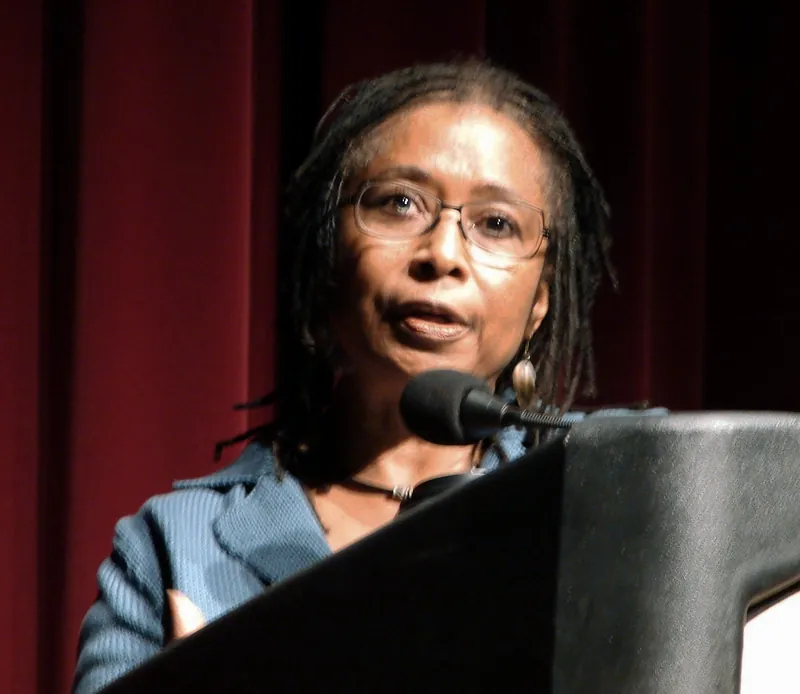
- Alice Malsenior Tallulah-Kate Walker is an American novelist, short story writer, poet, and social activist.
- Tell me about the adaptations
- The Color Purple has generated one of the most sustained adaptation histories of any American novel of its era. Steven Spielberg directed the first film adaptation in 1985. A Broadway musical, produced in part by Oprah Winfrey and Quincy Jones, followed in 2005. The most recent adaptation is a 2023 musical film directed by Blitz Bazawule, which brought the story to a new generation and is widely credited with the novel's current resurgence in readership. A BBC Radio 4 serial has also been produced. Each version has kept the story in the cultural conversation across nearly four decades.
- Why is this book trending?
- Alice Walker's classic is experiencing a resurgence driven largely by the 2023 musical film adaptation directed by Blitz Bazawule, which brought The Color Purple to a new generation of readers and viewers. With both the original 1985 Steven Spielberg film and the newer adaptation circulating simultaneously in the cultural conversation, the novel itself is drawing fresh attention from readers encountering the story for the first time through film and returning readers revisiting the source material.
Summarize this book
Follow up
Synthesized from verified book data & published reviews · How we review
Press Enter to ask. Answers come from our editorial Q&A — start typing to see related questions.
Age & Reading Level
Recommended age
Ages 16+
Reading level
Adult
4 content notes · who it suits
Content to know about
Best for: Adults / mature 16+ — direct, unmitigated depictions of rape, incest, child sexual abuse, and physical violence throughout
Skip if you prefer fiction that handles trauma obliquely or off-page rather than confronting it directly.
Editorial Review
Alice Walker's epistolary novel The Color Purple — winner of both the Pulitzer Prize for Fiction and the National Book Award for Fiction in 1983 — follows Celie, a young Black woman in rural Georgia whose letters chart a harrowing and ultimately triumphant journey from abuse and silence toward selfhood and independence. It remains one of American literature's most decorated and contested works of the twentieth century.
Read the Full ReviewBooks like The Color Purple
Curated picks for readers who enjoyed The Color Purple, with our reasoning for each match.
Why It’s Trending
The 2023 Musical Film Adaptation Keeps New Readers Coming to Alice Walker's Classic
The Color Purple got a big-screen musical treatment in 2023, and readers are still circling back to the novel that started it all. If you haven't read Walker's original yet, now's a great time to see where the story began.