At a glance
LuvemBooks Verdict
Best for: Readers of historical fiction who are drawn to dual-timeline family sagas, investigative narratives, and stories rooted in real social injustice — particularly those who want their fiction to carry documented historical weight.
Worth it? Skip it? Read the full verdict →Ask LuvemBooks
Was this helpful?
- Is it worth reading?
- For readers drawn to historical fiction with real-world stakes, Before We Were Yours is exceptionally well-matched. The novel's grounding in Georgia Tann's documented child-trafficking operation gives the fiction unusual factual weight, and the dual-timeline structure — Rill Foss's 1939 Memphis ordeal alongside Avery Stafford's present-day investigation — builds dramatic irony that pays off as the threads converge. It won the Southern Book Prize, drew praise from People, The Huffington Post, and Parade, and has sold over three million copies across more than forty languages. The one honest caveat: some readers find Avery's present-day storyline less immediately gripping than Rill's visceral 1939 narrative, creating an occasional tonal imbalance between the two threads.
- Similar books
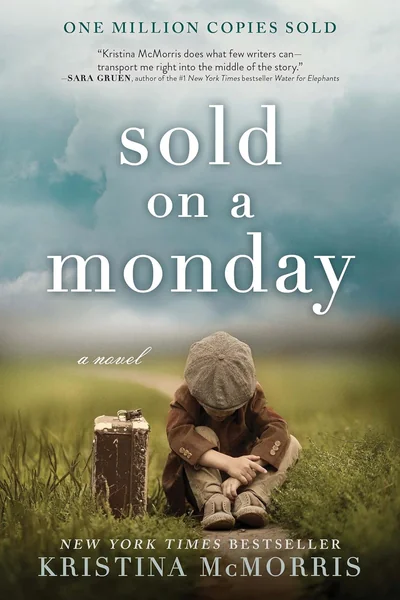
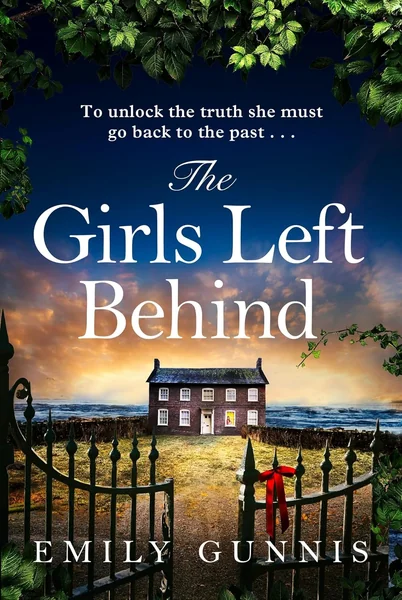
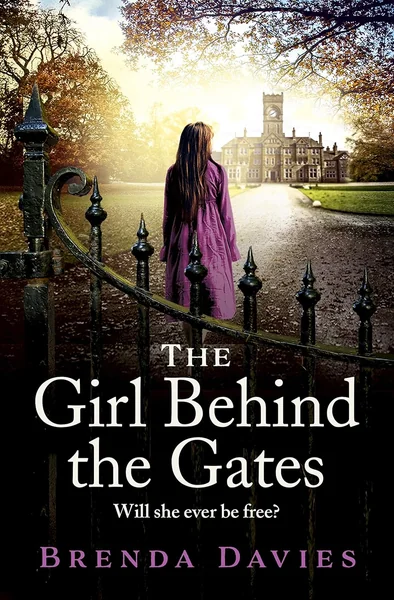
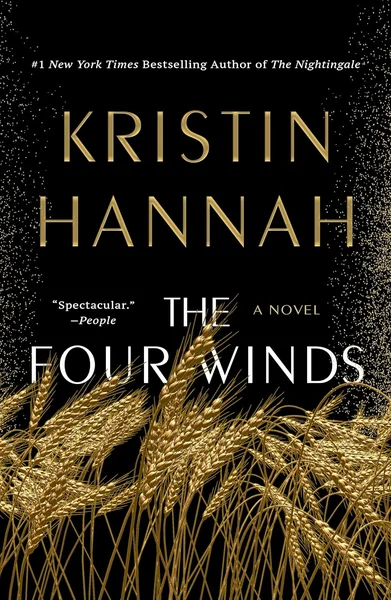
- Readers who connected with Before We Were Yours will find strong companions among the curated titles below. Sold on a Monday by Kristina McMorris also centers on Depression-era child displacement and the devastating consequences of poverty on families — a near-perfect thematic echo. The Girl Behind the Gates by Brenda Davies and The Girls Left Behind by Emily Gunnis both explore institutional injustice and the long shadows it casts across generations. We Were the Lucky Ones by Georgia Hunter and The Four Winds by Kristin Hannah share the dual priorities of meticulous historical research and family-saga emotional stakes that define Wingate's novel.
- Who should read this?
- Before We Were Yours is best suited to adult readers who gravitate toward historical fiction with an investigative thread, family-saga architecture, and stories rooted in real social injustice. Fans of dual-timeline narratives who enjoy watching two threads converge across decades — and who can engage with harrowing subject matter including institutionalized child trafficking and class-based family destruction — will find it exceptionally well-matched. It is also a strong pick for book clubs, given the depth of its thematic range: personal identity, family secrets, class divisions, heritage, and the rewriting of history. Readers who prefer lighter fare or who are sensitive to themes of child suffering and institutional cruelty should approach with care.
- About Lisa Wingate
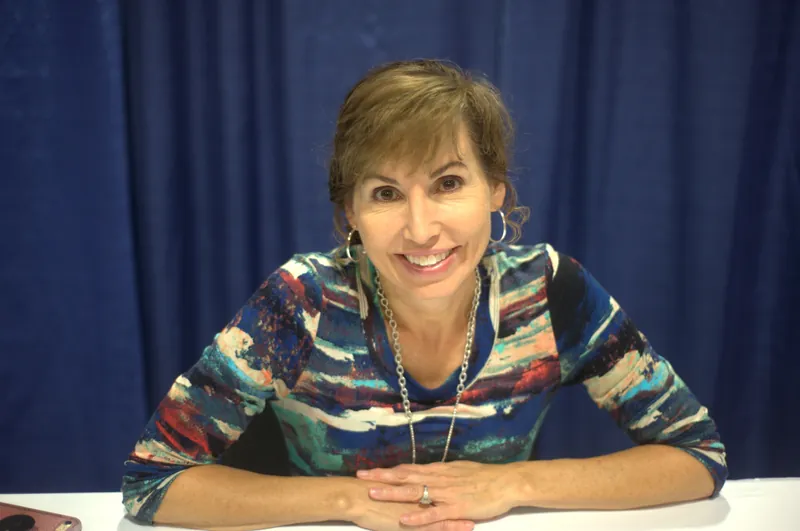
- Lisa Wingate is an American writer.
- What are the main themes?
- LitCharts identifies the novel's central thematic territory as personal identity, family secrets, injustice and class divisions, child trafficking, heritage, and the rewriting of history. The Rill Foss timeline carries the novel's most visceral stakes — children stripped of name, identity, and kin by institutional power wielded along class lines — while the Avery Stafford thread operates as a mystery of inheritance and complicity: what it means to be a beneficiary, however unknowingly, of another family's destruction. Together, these threads interrogate how systemic injustice echoes across generations and how the powerful rewrite history at the expense of the vulnerable.
- Is this a good book club pick?
- Before We Were Yours is an exceptionally strong book club selection. Its dual-timeline structure — Rill Foss's 1939 Memphis ordeal and Avery Stafford's present-day investigation — naturally prompts discussion about dramatic irony, narrative convergence, and which thread feels more emotionally immediate. The real history of Georgia Tann and the Tennessee Children's Home Society gives groups verifiable factual grounding to set alongside the fiction, and the novel's thematic range (identity, class injustice, child trafficking, heritage, and the rewriting of history) offers substantial material for sustained discussion. Its reception — Southern Book Prize winner, over three million copies sold — also means many group members may already be familiar with it.
- How does this compare to The Book of Lost Friends?
- Both Before We Were Yours and The Book of Lost Friends by Lisa Wingate deploy a dual-timeline structure to excavate buried American injustices, and both root their fiction in documented historical suffering. Before We Were Yours draws on the real Georgia Tann scandal — institutionalized child trafficking — and pivots on the convergence of Rill Foss's 1939 Memphis narrative with Avery Stafford's present-day investigation into family complicity. Readers who responded to Wingate's ability to transform historical research into emotional urgency in one novel will find the same core strengths in the other.
Summarize this book
Follow up
Synthesized from verified book data & published reviews · How we review
Press Enter to ask. Answers come from our editorial Q&A — start typing to see related questions.
Age & Reading Level
Recommended age
Ages 16+
Reading level
Adult
3 content notes · who it suits
Content to know about
Best for: Adults / mature 16+ — centers on institutionalized child trafficking, the forced separation of siblings, and the systematic erasure of children's identities, making it a demanding read not suited to younger or sensitive audiences.
Skip if you're looking for lighter historical fiction without harrowing depictions of child suffering and institutional abuse.
Editorial Review
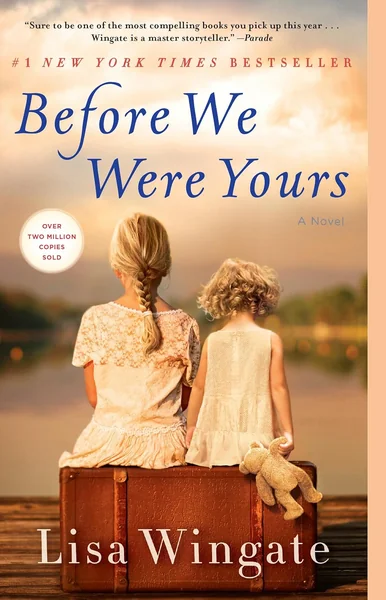
Before We Were Yours is a New York Times, USA Today, Wall Street Journal, and Publishers Weekly bestselling novel by Lisa Wingate that dramatizes one of America's most notorious real-life adoption scandals — the systematic kidnapping and sale of poor children by Georgia Tann's Tennessee Children's Home Society — through two alternating timelines set in 1939 Memphis and the present-day American South. It won the Southern Book Prize and has sold over three million copies.
Read the Full ReviewBooks like Before We Were Yours
Curated picks for readers who enjoyed Before We Were Yours, with our reasoning for each match.
If you liked Before We Were Yours