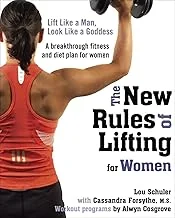
The New Rules of Lifting for Women: Lift Like a Man, Look Like a Goddess
by Lou Schuler and Cassandra Forsythe and Alwyn Cosgrove
At a glance
About the Author
Lou Schuler and Cassandra Forsythe and Alwyn Cosgrove1 book reviewed
The New Rules of Lifting for Women
Lift Like a Man, Look Like a Goddess
by Lou Schuler and Cassandra Forsythe and Alwyn Cosgrove
LuvemBooks Verdict
Best for: Women who are ready to commit to strength training as their primary modality and want a single, research-backed resource covering programming, conditioning, and nutrition — with a direct, no-nonsense voice rather than aspirational lifestyle framing.
Worth it? Skip it? Read the full verdict →Ask LuvemBooks
Was this helpful?
- Is it worth reading?
- For women who want to center strength training and are looking for a single resource that covers lifting, conditioning, and nutrition with a research-backed rationale, The New Rules of Lifting for Women remains a standout title. The combination of Forsythe's exercise science credentials, Cosgrove's program design, and Schuler's direct prose gives it a rigor that distinguishes it from general-audience fitness titles. More than a decade after its Avery publication, it continues to be a frequently referenced entry point in the strength-training-for-women conversation — its core argument has only grown more mainstream. The main caveat is commitment: the six-month structured progression is not designed for casual or modular use, so readers seeking flexibility may find the format a poor fit.
- Similar books
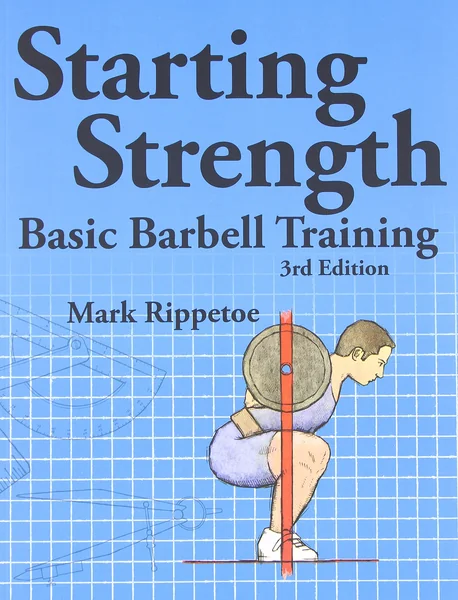
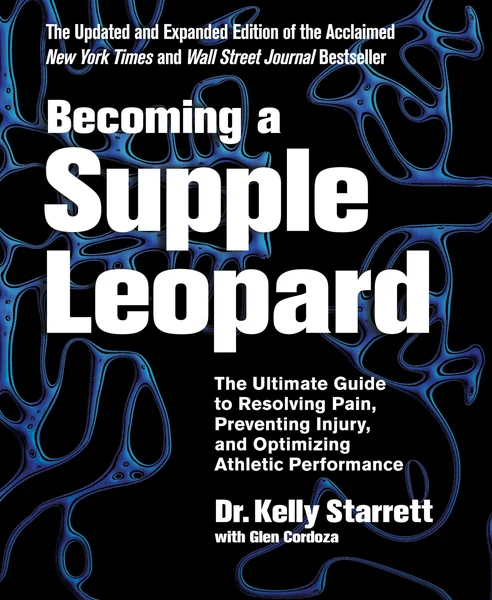
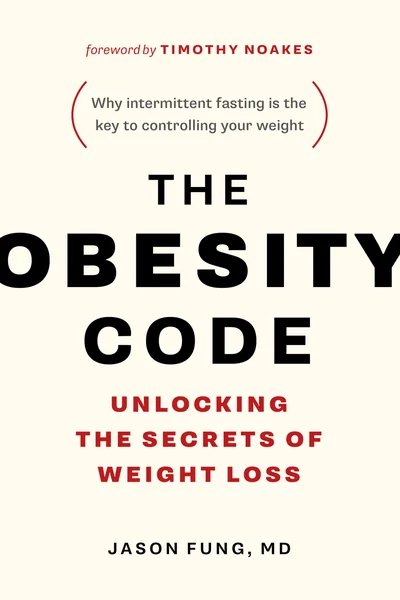
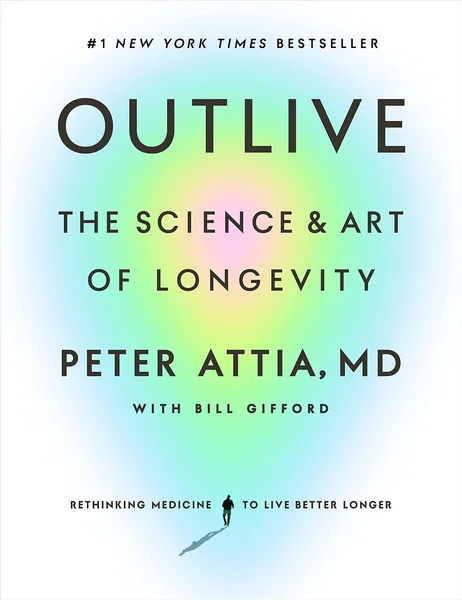
- Readers drawn to this book will find natural companions in several titles. The New Rules of Lifting by Lou Schuler and Alwyn Cosgrove is the direct predecessor — the original program that attracted the female readership this volume was built to serve. Mark Rippetoe's Starting Strength: Basic Barbell Training covers much of the same foundational barbell territory from a pure technique and programming standpoint, though without the nutrition integration or gender-specific framing. For readers interested in the mobility and injury-prevention side of heavy training, Kelly Starrett and Glen Cordoza's Becoming a Supple Leopard is a widely referenced companion. On the nutrition and fat-loss science side, Jason Fung's The Obesity Code and Peter Attia MD's Outlive both engage the research-informed, evidence-first approach that distinguishes this book from lifestyle fitness titles.
- Who should read this?
- The guide is best suited to women who are ready to make strength training their primary modality and want a single, structured resource that addresses training, nutrition, and the reasoning behind both. Readers who enjoy evidence-informed fitness writing with a direct voice — rather than aspirational lifestyle framing — will find the authors' approach well-matched to their preferences. It is particularly well-suited to readers who have already done some gym work and are prepared to commit to barbell-centered, compound-lift programming for six months. Complete beginners are not excluded, but the framing assumes a reader who won't be put off by a steeper entry point than a true beginner title would offer.
- How structured is the program?
- The program is built around Alwyn Cosgrove's structured six-month progression, and the text makes the commitment expectation explicit — this is not a plan designed to be dipped in and out of casually. The authors address the science behind the progression directly, explaining why the structure is built the way it is rather than simply issuing instructions. Beyond the lifting component, the book integrates a conditioning phase and a nutrition plan, so readers are working with a full-system approach from day one. Readers seeking a modular or highly flexible plan they can customize on the fly will encounter a structure that resists that approach.
- How credible are the authors?
- The authorship team brings complementary credentials that set this book apart from general fitness titles. Cassandra Forsythe was an exercise science and nutrition doctoral candidate at the University of Connecticut at the time of writing, grounding the programming decisions in contemporary research rather than gym folklore. Alwyn Cosgrove is a professional member of both the National Academy of Sports Medicine and the American College of Sports Medicine, a frequent contributor to Men's Health and Men's Fitness, and co-owner of Results Fitness in Newhall, California. Lou Schuler, the team's writer, is responsible for the voice that ties the research and programming together into an accessible, direct narrative.
- What's the book's central argument?
- The book's central claim, stated without equivocation, is that women have been steered wrong about exercise — that the conventional fitness industry emphasis on cardio and light weights is not a neutral baseline but a specific mistake, and that the barbell is the correction. Strength training, not aerobics, is positioned as the key to losing fat and building a fit, strong body, and the entire structure of the program, nutritional framework, and explanatory prose exists to support and execute that argument. Rather than treating this as a minor preference difference, the authors frame it with research backing and a sense of urgency that purely instructional titles often lack. That posture — confident, direct, and adversarial toward conventional wisdom — is as much a defining feature of the reading experience as the program itself.
Summarize this book
Follow up
Synthesized from verified book data & published reviews · How we review
Press Enter to ask. Answers come from our editorial Q&A — start typing to see related questions.
Age & Reading Level
Recommended age
Adult
Reading level
Adult
who it suits
Skip if you want a flexible, modular workout plan you can customize on the fly rather than a structured six-month commitment.
Editorial Review
This fitness guide by Lou Schuler, Cassandra Forsythe, and Alwyn Cosgrove makes a direct, research-backed case that strength training — not aerobics — is the foundation women need for fat loss and a fit, strong body, packaging that argument into a comprehensive program that covers lifting, conditioning, and nutrition.
Read the Full ReviewBooks like The New Rules of Lifting for Women
Curated picks for readers who enjoyed The New Rules of Lifting for Women, with our reasoning for each match.
If you liked The New Rules of Lifting for Women