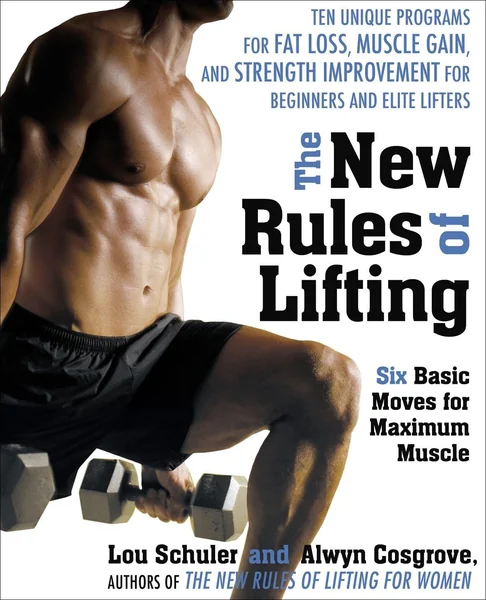
The New Rules of Lifting: Six Basic Moves for Maximum Muscle
by Lou Schuler, Alwyn Cosgrove
At a glance
About the Author
Lou Schuler, Alwyn Cosgrove1 book reviewed
The New Rules of Lifting
Six Basic Moves for Maximum Muscle
by Lou Schuler, Alwyn Cosgrove
LuvemBooks Verdict
Best for: Anyone new to structured strength training — or an intermediate lifter ready to move beyond muscle-isolation splits — who wants a research-backed, movement-pattern programme delivered in an unusually readable, humour-laced voice.
Worth it? Skip it? Read the full verdict →Ask LuvemBooks
Was this helpful?
- Is it worth reading?
- For readers who want a structured, research-backed strength program presented in a genuinely readable way, The New Rules of Lifting delivers on both counts. Lou Schuler's voice is widely noted for being humorous and accessible — readers on raisedbyturtles.org describe the NROL books as fitness titles 'you can sit down and read just for the fun of it' — and the program itself is grounded in exercise science rather than training fads. The main caveat is scope: advanced lifters already fluent in compound programming will find familiar ground, and dedicated endurance athletes will find the book addresses their goals only peripherally.
- Similar books
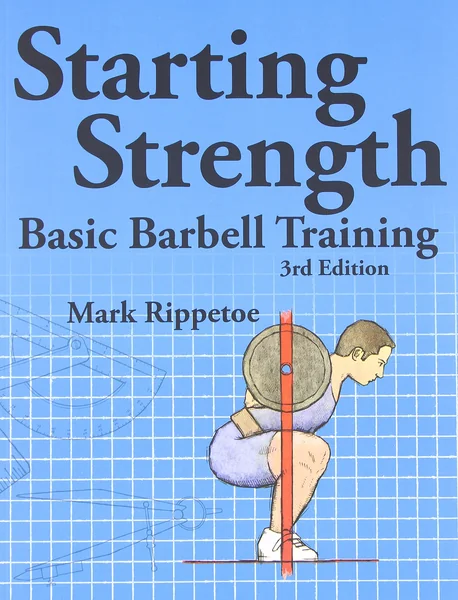
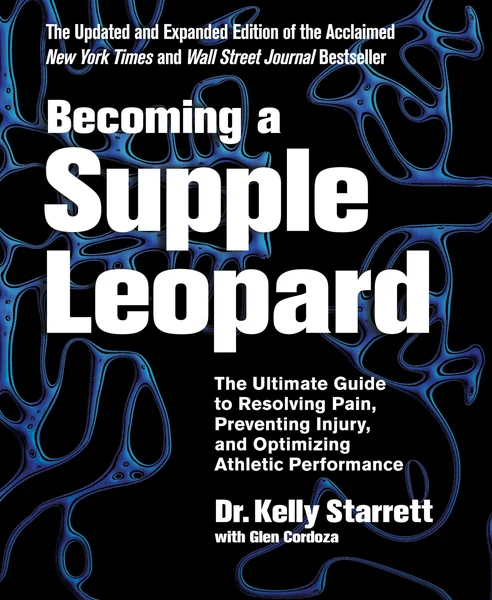
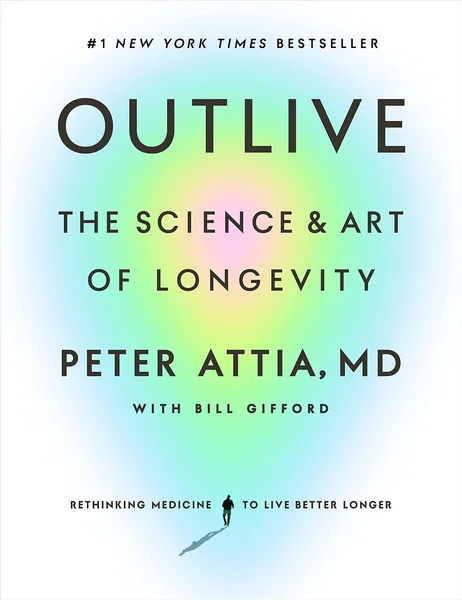
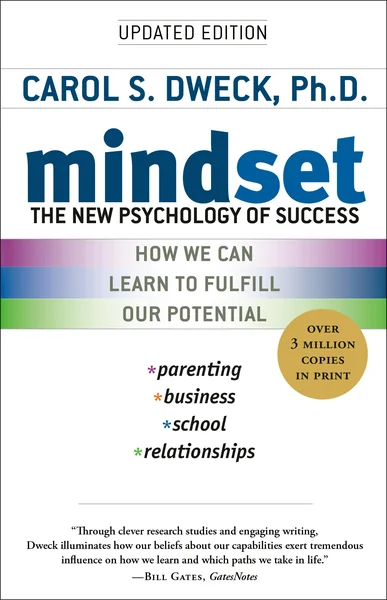
- Readers drawn to The New Rules of Lifting often gravitate toward a few companion titles. Mark Rippetoe's Starting Strength: Basic Barbell Training covers similar compound-movement philosophy — particularly the squat and deadlift — with an even more technical, coaching-focused lens. The New Rules of Lifting for Women: Lift Like a Man, Look Like a Goddess by Lou Schuler, Cassandra Forsythe, and Alwyn Cosgrove applies the same movement-pattern framework specifically to women's goals and concerns. Kelly Starrett and Glen Cordoza's Becoming a Supple Leopard: The Ultimate Guide to Resolving Pain, Preventing Injury, and Optimizing Athletic Performance pairs well for readers who want to complement their strength work with deep mobility and injury-prevention guidance. Peter Attia's Outlive: The Science and Art of Longevity provides a broader evidence-based framework for strength training and healthspan that shares the NROL emphasis on resistance training over conventional cardio-first thinking. Carol S. Dweck's Mindset: The New Psychology of Success is a natural complement for readers who want to reinforce the behavioral and motivational side of a long-term training commitment.
- Who should read this?
- The New Rules of Lifting is best suited to beginners and intermediate lifters — men and women — who want a structured, evidence-backed alternative to traditional muscle-isolation splits and are ready to commit to a multi-phase program. It is also a strong pick for gym-goers who have been following ad hoc routines from fitness magazines and want a coherent, research-grounded framework to replace them. Readers whose primary goal is cardiovascular or endurance performance will find the book less directly applicable to their needs, and advanced lifters already fluent in compound programming and periodization theory may find the foundational framework covers familiar territory.
- What are the six basic moves?
- The six fundamental movement patterns at the heart of the program are push, pull, squat, deadlift, lunge, and core-based work. Schuler and Cosgrove argue these reflect the movements the human body is naturally designed to perform, and the entire training system — including compound staples like barbell and dumbbell deadlifts, bench press, chin-ups, lat pulldowns, and lunges — is organized around them rather than around individual muscle groups. Core training is defined broadly as the muscles of the entire trunk, not just the abdominals.
- Is this part of a series?
- Yes — The New Rules of Lifting is the first book in what became a broader NROL series from Schuler and Cosgrove. The most prominent follow-up, The New Rules of Lifting for Women: Lift Like a Man, Look Like a Goddess, co-authored with Cassandra Forsythe, applies the same movement-pattern framework with programming and nutrition guidance tailored specifically to women. The series expands the core philosophy into different goals and populations rather than simply repeating the original program.
- Does it address fitness myths?
- Debunking conventional gym wisdom is central to the book's identity — its title alone signals a willingness to challenge received fitness orthodoxy. Most prominently, Schuler and Cosgrove directly address the widespread misconception that weightlifting produces a bulky physique, making the case that resistance training instead contributes to a lean, strong body for both men and women. More broadly, the book's entire thesis — that training movement patterns outperforms traditional muscle-isolation splits — is framed as a challenge to the bodybuilding conventions that still dominate most commercial gym culture.
Summarize this book
Follow up
Synthesized from verified book data & published reviews · How we review
Press Enter to ask. Answers come from our editorial Q&A — start typing to see related questions.
Age & Reading Level
Recommended age
Adult
Reading level
Adult
who it suits
Skip if your primary fitness goal is cardiovascular endurance or endurance sport rather than building strength and muscle.
Editorial Review
The New Rules of Lifting: Six Basic Moves for Maximum Muscle by Lou Schuler and Alwyn Cosgrove is a comprehensive fitness book that challenges conventional gym wisdom, anchoring its program in six fundamental movement patterns and the latest exercise science research to help readers build muscle and strength more efficiently.
Read the Full ReviewBooks like The New Rules of Lifting
Curated picks for readers who enjoyed The New Rules of Lifting, with our reasoning for each match.
If you liked The New Rules of Lifting