8 min read
4.7
· 7,184 Amazon ratingsShare This Review
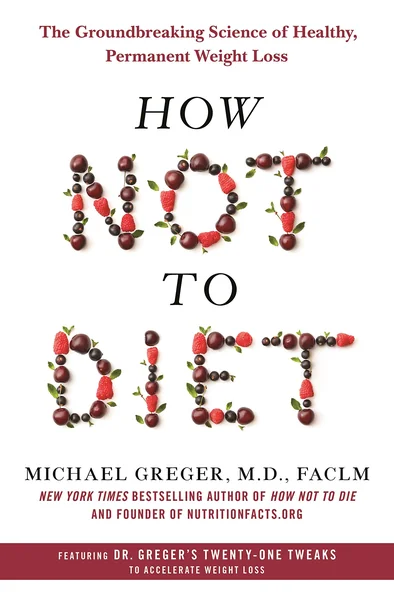
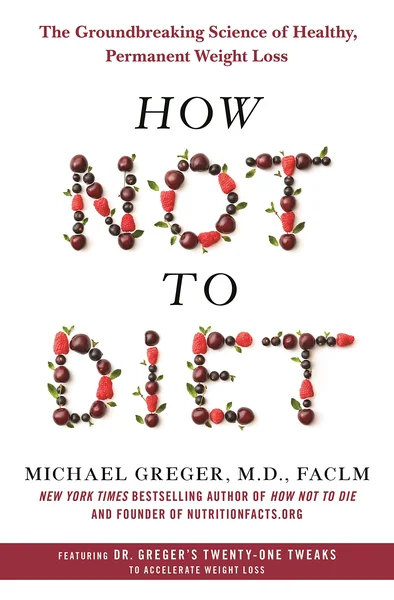
How Not to Diet by Michael Greger M.D. FACLM Review: Science-Driven Weight Loss Beyond Fad Diets
A New York Times bestseller from the founder of NutritionFacts.org, How Not to Diet dismantles the diet-fad cycle by grounding weight loss in peer-reviewed nutritional science, making a research-dense case for plant-based eating, calorie density, gut microbiome health, and twenty-one evidence-based fat-burning accelerators — a serious, wide-ranging reference for readers willing to engage with the depth of the science.
LuvemBooks Verdict
Best for
Chronic dieters who have cycled through trending approaches without lasting results and want a rigorous, evidence-based explanation of why those approaches fail — and what the science actually supports instead.
Worth it if
You want to understand the mechanisms behind weight loss — calorie density, the insulin index, gut microbiome, chronobiology — rather than simply follow a prescriptive meal plan, and you are open to a plant-based dietary framework backed by dense research citations.
Skip if
You are looking for a concise, quick-start protocol, are firmly committed to a ketogenic or other non-plant-based eating pattern, or find 608 pages of research-heavy reading more exhaustive than you need.
What readers & critics say
Books Google's snippet quotes critical coverage calling it a book "for those who want the facts, not your typical fantasy, filler or fluff," signalling strong praise from at least one major press outlet. The publisher page at us.macmillan.com highlights a peer endorsement from Dean Ornish, M.D., who describes it as "one of the best books I've ever read on how to lose weight in sustainable ways that enhance health."
Sources: Google Books, MacmillanAsk LuvemBooks
Was this helpful?
- Is it worth reading?
- For readers who have cycled through trending diets without lasting success and want to understand the underlying science, LuvemBooks considers How Not to Diet a genuinely authoritative resource. Its scope is unusually wide — ranging across calorie density, hormonal response, microbiome science, circadian biology, and sleep research — and every topic is grounded in citations to research rather than anecdote. The book's comprehensiveness is also its main barrier: at 608 pages, it rewards the committed reader far more than the reader seeking a concise, step-by-step protocol. Those open to engaging with the depth of the science, and at least willing to consider a plant-based dietary framework, will find it a reference that rewards re-reading.
- Similar books
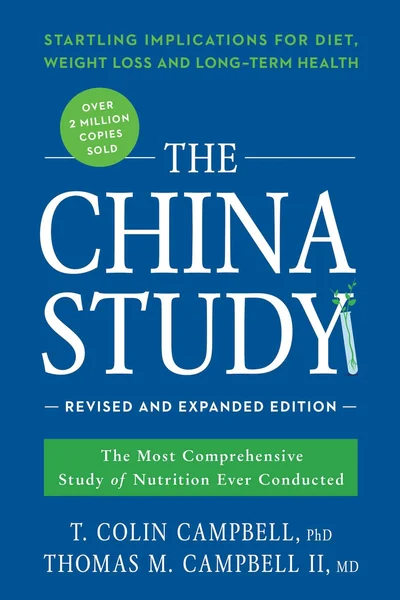
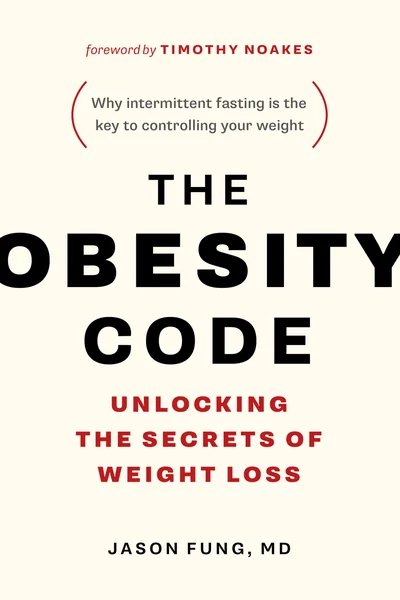
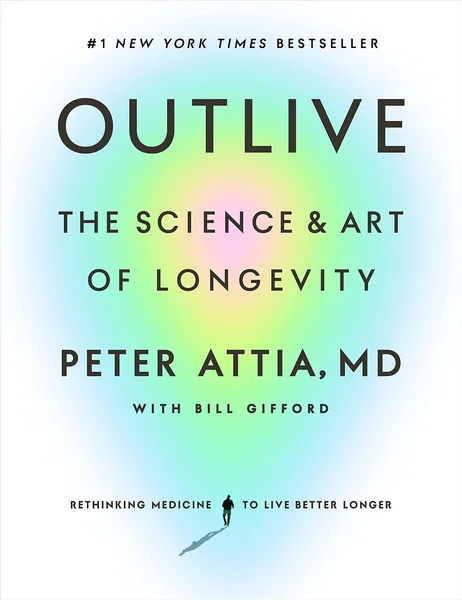
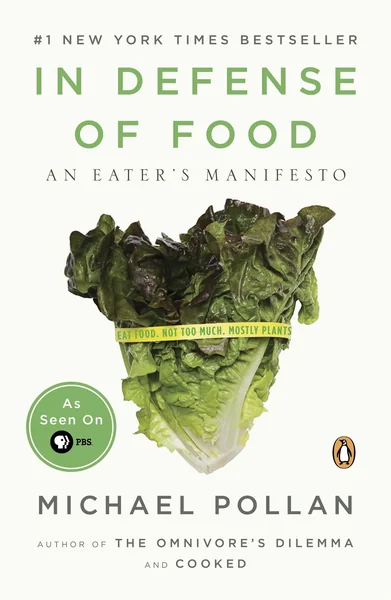
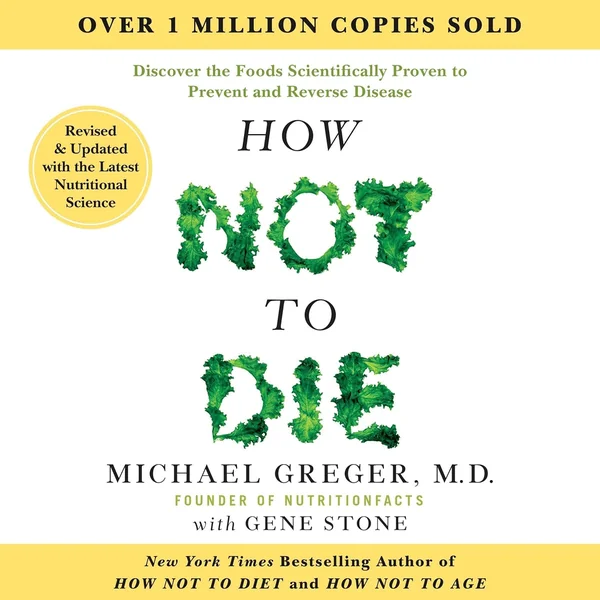
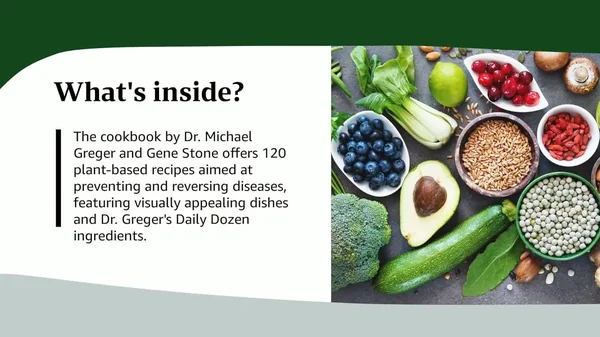
- Readers drawn to How Not to Diet will find natural companions in several works featured on this page. Greger's own How Not to Die (not currently in the LuvemBooks catalogue) established his evidence-based, plant-forward framework, while The How Not to Die Cookbook (Greger and Gene Stone) translates that philosophy into recipes. T. Colin Campbell and Thomas M. Campbell's The China Study is one of the most cited works underpinning the plant-based dietary case. For a different angle on weight and metabolism, Jason Fung's The Obesity Code focuses on insulin and intermittent fasting — a direct counterpoint to some of Greger's conclusions. Michael Pollan's In Defense of Food offers a more accessible, less research-dense argument for whole-food eating, and Peter Attia's Outlive covers longevity science with comparable scientific rigor from a different dietary perspective.
- Who should read this?
- How Not to Diet is best suited to adult readers who have grown frustrated with cycling through diet trends and want a rigorous, evidence-grounded explanation of why those approaches succeed or fail. It rewards those who want to understand the mechanisms behind weight management — calorie density, the insulin index, microbiome health, chronobiology — rather than simply follow a protocol. Readers who are open to a plant-based dietary orientation, or at least willing to engage with the evidence for it, will find the framework most directly applicable. It is less well suited to readers seeking a quick-start guide, a minimalist plan, or a framework compatible with ketogenic or other animal-product-centered diets.
- About Michael Greger M.D. FACLM
- Michael Herschel Greger is an American physician, author, and speaker on public health issues. He is best known for his advocacy of a whole-food, plant-based diet and his opposition to animal-derived food products.
- Does the book push a plant-based agenda?
- Greger is explicit that plant-based eating is not one option among many in his framework but a scientifically grounded foundation for sustainable weight management — so yes, the book's dietary direction is clearly plant-based. However, the review draws a distinction between advocacy and dogma: rather than prescribing a rigid meal plan, Greger identifies the criteria that make a diet effective, inviting readers to reason about food choices rather than follow rules blindly. The book also directly engages with and evaluates competing approaches — including ketogenic diets and intermittent fasting — rather than dismissing them without argument. Readers committed to animal-product-centered eating patterns should go in knowing the evidence is marshalled in a specific direction.
- How does this compare to How Not to Die?
- How Not to Die established Greger's evidence-based, plant-forward method and applied it broadly to preventing disease across multiple organ systems. How Not to Diet is a more focused successor, applying the same research-intensive approach to a single question: what does the evidence say about healthy, permanent weight loss. At 608 pages, How Not to Diet is arguably denser and more exhaustive in its treatment of that narrower topic, and it adds new territory — chronobiology, twenty-one weight-loss accelerators, detailed engagement with competing diet philosophies — that goes beyond what How Not to Die covered. Both books share the same authorial philosophy and citation-heavy style.
Summarize this book
Follow up
Synthesized from verified book data & published reviews · How we review
Press Enter to ask. Answers come from our editorial Q&A — start typing to see related questions.
Age & Reading Level
Recommended age
Adult
Reading level
Adult
who it suits
Skip if you want a concise, step-by-step weight-loss protocol rather than a deep engagement with nutritional science.
Our Review
What the Book Actually Is
The Central Argument and Framework
Significance and Reception
Genuine Strengths
Limitations and Who May Struggle
Sources & Further Reading
The key facts and claims in this review are grounded in the retrieved, verified sources listed below.
- Cited in this review
- 1
us.macmillan.com
- 2
- 3
nutritionfacts.org
- Further reading
- 4
Michael Greger M.D. FACLM, Wikipedia
- 5
- 6
- 7
- 8
- 9
Books like How Not to Diet
Curated picks for readers who enjoyed How Not to Diet, with our reasoning for each match.
More by Michael Greger
If you liked How Not to Diet