

Michael Greger
2
Books ReviewedAsk LuvemBooks about Michael Greger
- Where should I start?
- If you're new to Greger's work, How Not to Diet is a strong entry point — it applies his research-driven methodology to the specific question of sustainable weight loss, explaining the underlying science rather than handing down rules. It carries an Amazon reader rating of 4.7/5 across more than 7,000 ratings, suggesting it lands well even with readers who come in skeptical. If you'd rather start with practical recipes before diving into the science, The How Not to Die Cookbook offers an accessible, kitchen-ready introduction to his dietary principles.
- What's their writing style?
- Greger writes in a direct, evidence-led style that reads more like a clinician explaining a diagnosis than a wellness author selling a lifestyle. He structures arguments around citations from peer-reviewed literature, often summarising individual studies in plain language before drawing broader conclusions. His tone is confident and occasionally wry, but he keeps the focus on mechanism — why something happens in the body — rather than on personal narrative or anecdote.
- Books we've reviewed
- We've reviewed two books by Michael Greger on LuvemBooks. How Not to Diet (4.7/5 from 7,184 Amazon ratings) is a deep dive into the science of permanent weight loss, arguing from metabolic research rather than calorie-counting orthodoxy. The How Not to Die Cookbook (4.6/5 from 11,847 Amazon ratings), co-authored with Gene Stone, translates Greger's plant-based principles into more than 100 practical recipes aimed at disease prevention.
- How do his books compare?
- How Not to Diet and The How Not to Die Cookbook serve quite different purposes despite sharing the same dietary philosophy. How Not to Diet is a research-heavy text that builds a scientific case for specific weight-loss strategies, chapter by chapter; it asks more of the reader but gives considerably more mechanistic detail. The How Not to Die Cookbook is more immediately practical — it's designed to sit on a kitchen counter rather than a desk — and works better as a gateway for readers who want to act on Greger's ideas before fully engaging with the underlying science.
- What genre do they write?
- Greger's books fall squarely in Health & Wellness nonfiction, with a strong lean toward nutritional science and preventive medicine. His solo works are closer to popular science — structured arguments backed by clinical research — while The How Not to Die Cookbook also sits within the practical cookbook genre. Readers drawn to authors like T. Colin Campbell or Dean Ornish will find familiar territory.
- What should I read after How Not to Diet?
- After How Not to Diet, the most natural next step within Greger's reviewed work is The How Not to Die Cookbook, which lets you apply the dietary principles he argues for in a practical kitchen context. If you want to go deeper into his foundational thinking on disease prevention more broadly, seeking out How Not to Die — his flagship title, not yet reviewed on LuvemBooks — would give you the wider framework that underpins both reviewed books.
Who is Michael Greger?
Follow up
Synthesized from verified book data & published reviews · How we review
Press Enter to ask. Answers come from our editorial Q&A — start typing to see related questions.
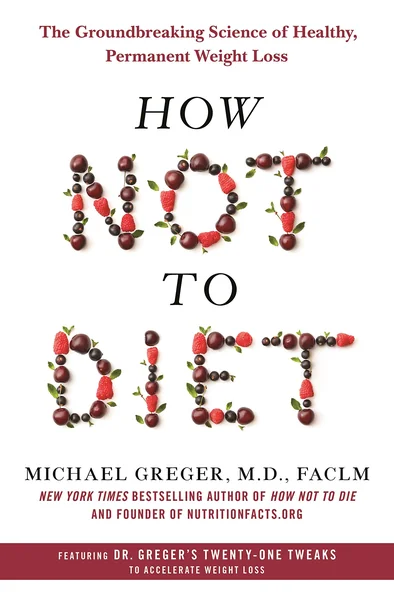
How Not to Diet: The Groundbreaking Science of Healthy, Permanent Weight Loss by Michael Greger
4.7/5
A New York Times bestseller from the founder of NutritionFacts.org, How Not to Diet dismantles the diet-fad cycle by grounding weight loss in peer-reviewed nutritional science, making a research-dense case for plant-based eating, calorie density, gut microbiome health, and twenty-one evidence-based fat-burning accelerators — a serious, wide-ranging reference for readers willing to engage with the depth of the science.
Reviewed Mar 4, 2026

The How Not to Die Cookbook: 100+ Recipes to Help Prevent and Reverse Disease by Michael Greger and Gene Stone
4.6/5
Published by Flatiron Books in December 2017, The How Not to Die Cookbook is the practical, recipe-driven follow-up to Michael Greger's New York Times bestselling book How Not to Die, delivering more than 120 plant-based recipes for meals, snacks, and beverages designed to help prevent and reverse disease — grounded in Greger's Daily Dozen framework and intended for health-conscious home cooks ready to put science-backed nutrition into action.
Reviewed Feb 19, 2026
Authors Like Michael Greger

Gene Stone
Gene Stone is an American writer and editor known for his books on animal rights and plant-based food..
1 book reviewed

Timothy Ferriss
Timothy Ferriss is an American entrepreneur, investor, author, podcaster, and lifestyle guru.
1 book reviewed

Robert H. Lustig
Robert H. Lustig is an American pediatric endocrinologist.
1 book reviewed
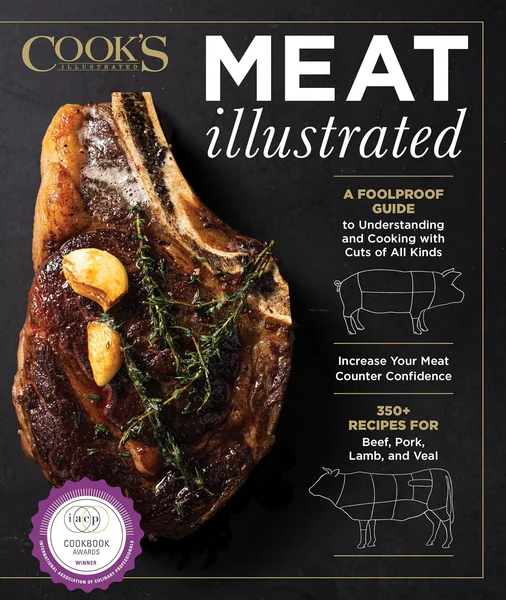
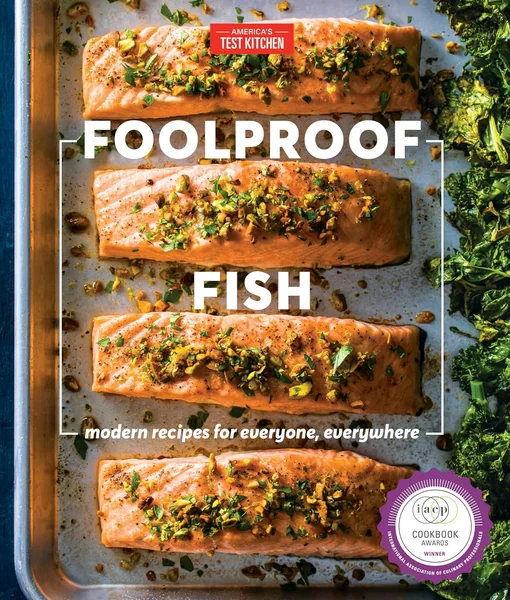
America's Test Kitchen
America's Test Kitchen is a multimedia culinary brand encompassing television shows, magazines, and cookbooks. It was co-founded by Christopher Kimball, who served as its editor, publisher, and television host from its inception through 2016. The brand publishes comprehensive cookbooks, such as *The Complete Cooking for Two Cookbook*, and produces the public television show of the same name, as well as *Cook's Country*.
5 books reviewed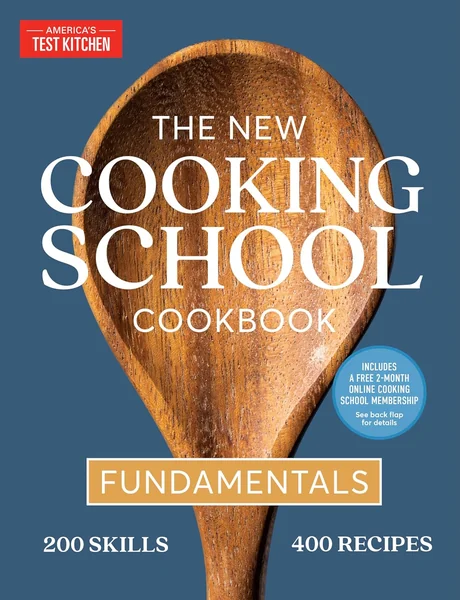
T. Colin Campbell
T. Colin Campbell (born 1934) studied pre-veterinary medicine at Pennsylvania State University (B.S., 1956) before attending the University of Georgia's veterinary school. He coined the term "plant-based diet" in 1980 to present his research at the National Institutes of Health and has authored over 300 research papers and four books, including *The China Study*, co-written with his son Thomas M. Campbell II.
1 book reviewed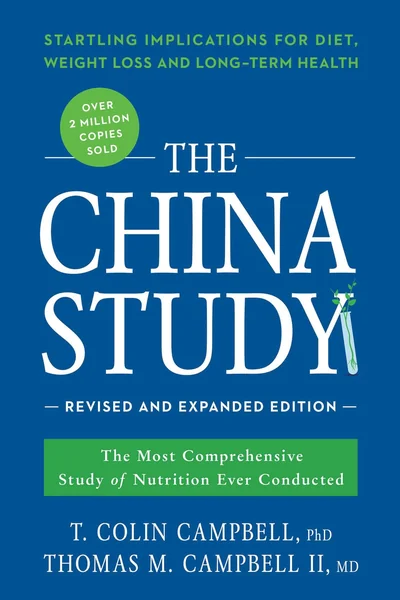
Thomas M. Campbell
Thomas M. Campbell II, MD, is a physician, researcher, and educator best known as the co-author of *The China Study*, a worldwide bestseller co-written with his father, T. Colin Campbell, PhD. He is also the author of *The China Study Solution*, has presented widely on nutrition for optimal health, and has developed clinical and research programs at the University of Rochester.
1 book reviewed