

8 min read
4.5
· 3,300 Amazon ratingsShare This Review

Forks Over Knives by Gene Stone Review: A New York Times Bestselling Plant-Based Health Guide
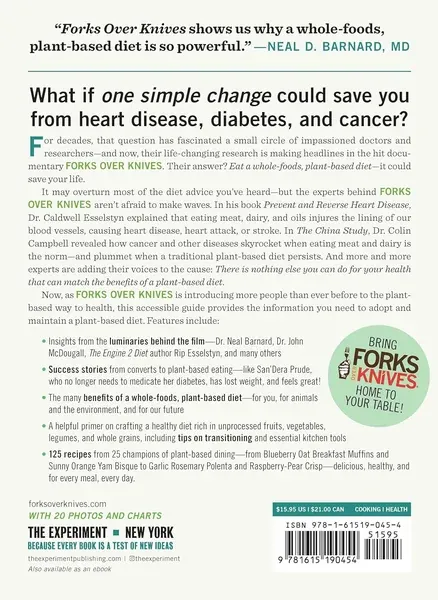
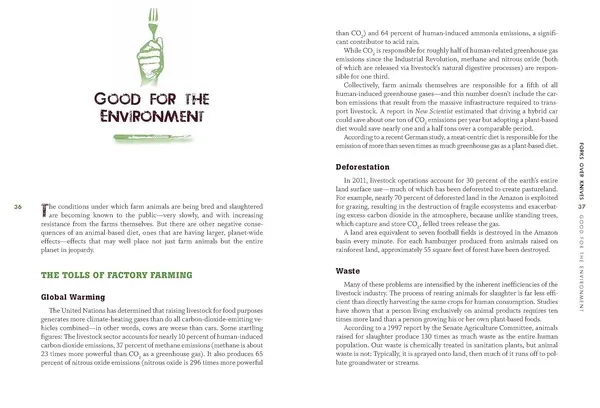
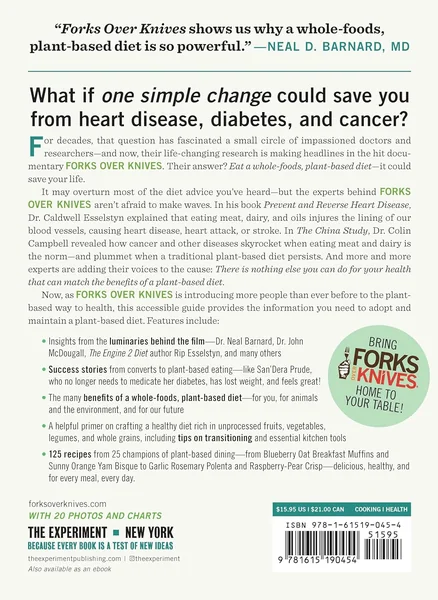
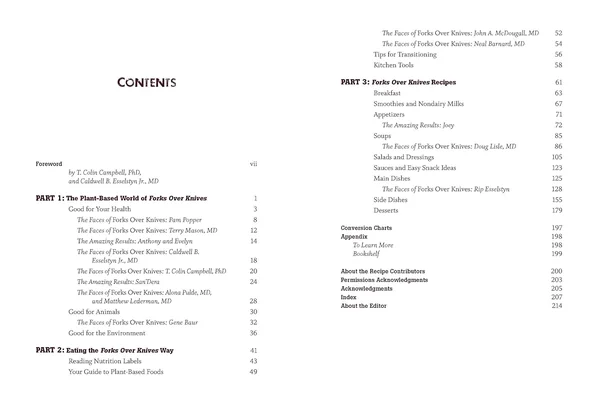
Edited by Gene Stone, with forewords by T. Colin Campbell and Caldwell B. Esselstyn, Forks Over Knives is a New York Times bestseller that builds on the landmark 2011 documentary to make the case that a whole-food, plant-based diet can prevent and reverse chronic diseases including heart disease, diabetes, and certain cancers. It is an essential entry point for readers curious about the science and practice behind plant-based eating.
 Tap to enlarge
LuvemBooks Verdict
Best for
Readers who saw the Forks Over Knives documentary and want a credentialed, consolidated printed resource that combines the film's whole-food, plant-based argument with 96 practical recipes for every meal of the day.
Worth it if
You're open to an advocacy-driven but research-backed introduction to plant-based eating for chronic disease prevention, and you want the science of Campbell and Esselstyn alongside a substantial recipe collection in one accessible volume.
Skip if
Skip it if you're already deeply familiar with The China Study or Esselstyn's prior clinical writing, if you want a purely recipe-focused cookbook without navigating substantial nutritional argument, or if you require positions that reflect mainstream scientific consensus rather than advocacy-led interpretation of contested evidence.
What readers & critics say
Wikipedia notes that the broader Forks Over Knives project claims many chronic diseases "can be prevented and treated by eating a whole-food, plant-based diet," while Audible reviewer feedback flags that the book leans on anecdotes from the plant-based side and lacks meaningful counterpoints, leaving readers who expected deeper science somewhat disappointed.
Sources: Wikipedia, AudibleAge & Reading Level
Recommended age
Adult
Reading level
Adult
who it suits
Skip if you want a purely recipe-focused plant-based cookbook without substantial nutritional advocacy and ideological framing.
In This Review
- What Works & What Doesn't
- What the Book Actually Is
- The Science and the Figures Behind It
- Reception and Cultural Reach
- Genuine Strengths
- Limitations and Who May Be Frustrated
What Works & What Doesn't
What Works
- New York Times bestseller, reflecting significant mainstream reach and readership
- Forewords from two prominent credentialed researchers — T. Colin Campbell and Caldwell B. Esselstyn — lend the book direct scientific authority
- Edited by Gene Stone, an experienced author with more than thirty books and personal commitment to the subject matter
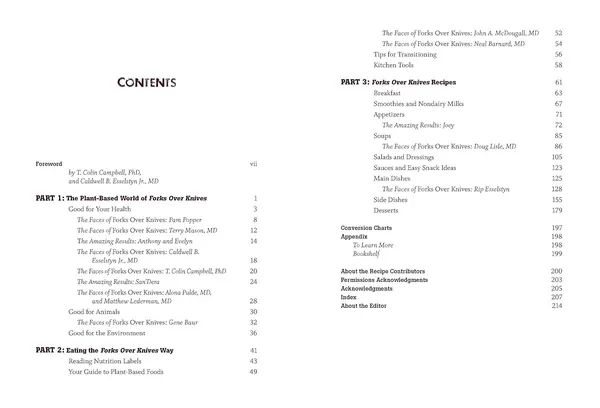
- Combines the documentary's central health argument with 96 plant-based recipes covering every meal of the day
- Serves as a thorough, consolidated entry point for readers curious about the whole-food, plant-based approach to chronic disease prevention
What Doesn't
- The book's claims about reversing chronic disease through diet alone sit outside mainstream scientific consensus, making it advocacy-driven reading as much as evidence-based
- Readers already well-versed in The China Study or Esselstyn's prior work may find the content familiar, as it is designed as an accessible companion rather than a primary research text
- The documentary it accompanies received mixed-to-average critical scores on Metacritic, reflecting divided opinion on how the underlying evidence is framed
- Those seeking a purely practical recipe collection will need to navigate substantial nutritional and ideological groundwork to reach the kitchen content
What the Book Actually Is
The Science and the Figures Behind It
Reception and Cultural Reach
Genuine Strengths
Limitations and Who May Be Frustrated
Frequently Asked Questions
Sources & Further Reading
The key facts and claims in this review are grounded in the retrieved, verified sources listed below.
- Cited in this review
- 1
- 2
- 3
- Further reading
- 4
Gene Stone, Wikipedia
- 5
en.wikipedia.org
- 6
readbreeze.com
- 7
ebooks.com
- 8
responsibleeatingandliving.com
- 9
synopsisandreviews.com
- 10
- 11
Related Reviews
Reviews of books we picked for readers who enjoyed Forks Over Knives.


Reader Comments
No comments yet
Be the first to share your thoughts!