7 min read
4.2
· 1,455 Amazon ratingsShare This Review

Our review
Outer Order, Inner Calm by Gretchen Rubin Review: A Flexible, Illustrated Decluttering Guide
Gretchen Rubin's New York Times bestseller Outer Order, Inner Calm is an illustrated guide offering more than 150 short, concrete clutter-clearing ideas designed to help readers build a more serene environment on their own terms — no single rigid system required.


 Tap to enlarge
LuvemBooks Verdict
Best for
Readers who have felt overwhelmed or put off by rigid, prescriptive decluttering systems like KonMari, and who want a flexible, low-pressure menu of ideas they can dip into at their own pace rather than follow as a strict programme.
Worth it if
You want accessible, bite-sized motivation to start clearing physical clutter — grounded in an established author's research on happiness and habit — without committing to a single all-or-nothing methodology.
Skip if
If you're specifically looking for a structured, step-by-step system with a clear sequence from start to finish, the deliberately modular, non-prescriptive format will likely feel insufficient on its own.
What readers & critics say
The Epoch Times describes the book as a "small, easy-to-digest read" that makes "a convincing case" for how outer order contributes to inner calm, walking readers through five practical steps. Life With Less Mess, reviewing from a professional organiser's perspective, calls it "a great book if you need motivation to start purging and organising your home."
Sources: The Epoch Times, Life With Less MessPreview the book
Ask LuvemBooks
Was this helpful?
- Is it worth reading?
- Outer Order, Inner Calm earns its New York Times bestseller status by delivering genuine practicality in an accessible, low-pressure package. Reviewers have described almost every one of Rubin's recommendations as 'a gem,' praising her explanations as 'short, personal, humorous, and occasionally pointed.' The key caveat is that readers who specifically want a single, comprehensive, step-by-step decluttering programme will need to look elsewhere — or impose that architecture themselves by drawing selectively from the book's wide menu of suggestions. For everyone else — especially those who have started and abandoned more rigid systems — it offers real, manageable entry points without preachiness.
- Similar books
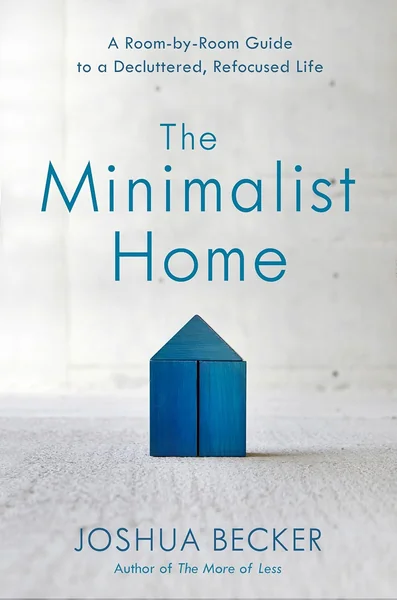
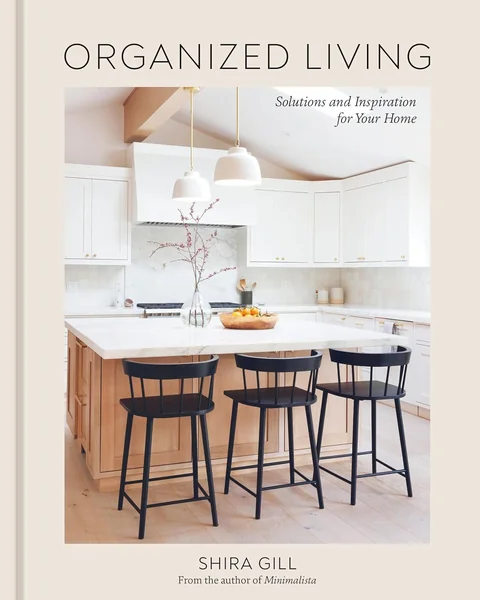
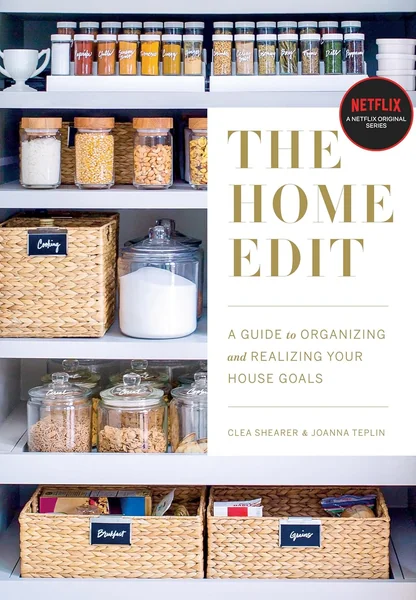
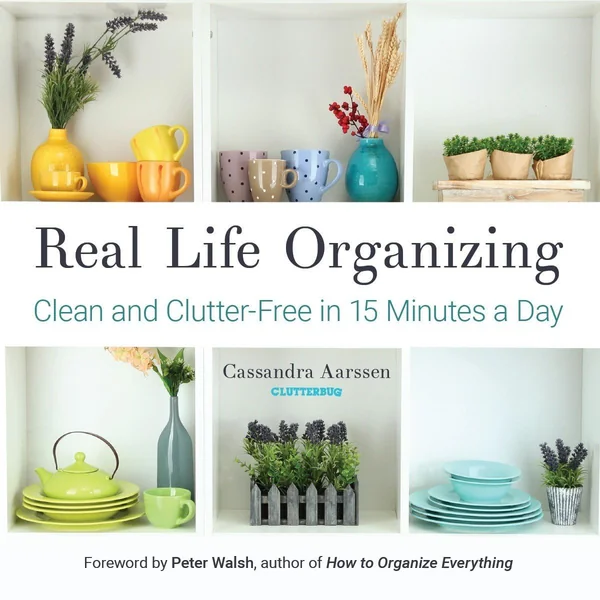
- Readers drawn to Outer Order, Inner Calm will find natural companions in several titles. Joshua Becker's The Minimalist Home offers a value-driven approach to simplifying living spaces, while Shira Gill's Organized Living blends practical organisation with intentional home design. For a highly visual, system-oriented take, The Home Edit by Clea Shearer and Joanna Teplin delivers colour-coded, step-by-step room transformations — a more prescriptive counterpoint to Rubin's flexible philosophy. Cassandra Aarssen's Real Life Organizing is another accessible option for readers who want concrete, personality-based strategies. Marie Kondō's The Life-Changing Magic of Tidying Up, while not in the LuvemBooks catalogue, is the genre touchstone Rubin's book is most frequently compared to.
- Who should read this?
- Outer Order, Inner Calm is particularly well suited to readers who have felt overwhelmed or alienated by more rigid decluttering systems — those who have started and abandoned other approaches, including KonMari. Its short entries, illustrated format, and humorous, personal tone make it accessible to anyone looking for manageable, low-pressure entry points rather than a wholesale household transformation. Fans of Rubin's earlier work — The Happiness Project, Better Than Before, The Four Tendencies — will find the same practical, research-informed sensibility applied here to physical space. Readers who specifically want a single, comprehensive, step-by-step programme are the one group likely to be underwhelmed.
- About Gretchen Rubin
- Gretchen Craft Rubin is an American author, blogger, and speaker.
- Where should I start with Gretchen Rubin?
- For readers new to Gretchen Rubin, Outer Order, Inner Calm offers one of her most accessible entry points: its short, illustrated, modular format requires no prior familiarity with her work and delivers immediate, practical value. Those drawn to her broader philosophy of happiness and habit change may prefer to start with The Happiness Project or Better Than Before, which established her reputation as a #1 New York Times bestselling author in that space. LuvemBooks has also reviewed The Happiness Project One-Sentence Journal: A Five-Year Record for readers looking to engage more interactively with her ideas.
- How does this compare to The Happiness Project?
- Both books share Rubin's practical, research-informed sensibility and her focus on habits and happiness, but they differ significantly in format and scope. The Happiness Project is a narrative-driven account of Rubin's year-long experiment in self-improvement across multiple life domains, while Outer Order, Inner Calm is a modular illustrated guide focused specifically on physical environment and clutter. Readers who prefer a story-driven, chapter-by-chapter experience will gravitate toward The Happiness Project; those who want a dip-in-and-out reference tool for immediate, actionable ideas will find Outer Order, Inner Calm better suited to that need.
Summarize this book
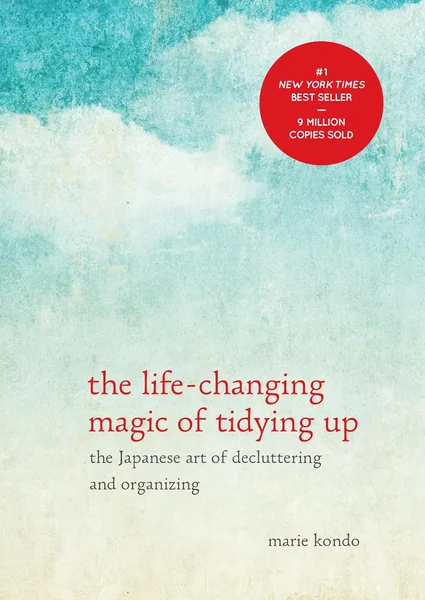
The Life-Changing Magic of Tidying Up: The Japanese Art of Decluttering and Organizing by Marie Kondō
4.4
/ 5
Marie Kondō's The Life-Changing Magic of Tidying Up, published by Ten Speed Press in its first North American edition in 2014 and translated from Japanese by Cathy Hirano, is a self-help guide built around the KonMari Method — a systematic, philosophy-driven approach to decluttering that promises a permanent, rather than cyclical, transformation of the home. A #1 New York Times bestseller that CNN named one of the most influential books of the decade, it has sparked a genuine cultural movement, inspiring a hit Netflix series and reshaping how millions of people think about the objects they own.
View on LuvemBooks →
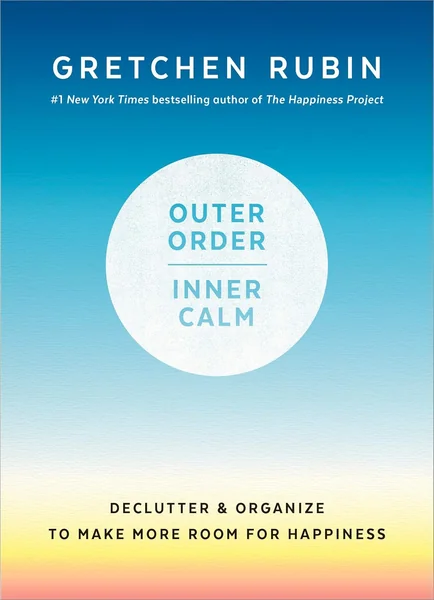
Outer Order, Inner Calm: Declutter by Gretchen Rubin
4.2
/ 5
Gretchen Rubin's New York Times bestseller Outer Order, Inner Calm is an illustrated guide offering more than 150 short, concrete clutter-clearing ideas designed to help readers build a more serene environment on their own terms — no single rigid system required.
View on LuvemBooks →
Follow up
Synthesized from verified book data & published reviews · How we review
Press Enter to ask. Answers come from our editorial Q&A — start typing to see related questions.
Our Review
What the Book Actually Is
Significance and Place in the Genre
What It Does Well
Genuine Limitations
Who This Book Is For
Sources & Further Reading
The key facts and claims in this review are grounded in the retrieved, verified sources listed below.
- Cited in this review
- 1
newbookrecommendation.com
- 2
penguinrandomhouse.com
- 3
mynonexistentminimalism.com
- Further reading
- 4
Gretchen Rubin, Wikipedia
- 5
gretchenrubin.com
- 6
lifewithlessmess.com
- 7
fourminutebooks.com
- 8
Age & Reading Level
Recommended age
Adult
Reading level
Adult
who it suits
Skip if you want a single, structured, step-by-step decluttering programme with a defined sequence from start to finish.
Reader reviews
No reader reviews yet
Read it? Be the first to say what you thought.
Books like Outer Order, Inner Calm
Curated picks for readers who enjoyed Outer Order, Inner Calm, with our reasoning for each match.
If you liked Outer Order, Inner Calm