At a glance
LuvemBooks Verdict
Best for: Readers who love quietly life-affirming, character-driven fiction — particularly fans of Fredrik Backman or Matt Haig — who want to follow a singular, warm-hearted protagonist as he builds community one portrait and handwritten letter at a time.
Worth it? Skip it? Read the full verdict →Ask LuvemBooks
Was this helpful?
- Is it worth reading?
- For readers who respond to quiet, warmhearted fiction about community and human connection, Theo of Golden delivers something genuinely distinctive: unlike comparable inspirational novels about elder wisdom, Slate identifies that it has an actual plot driven by Theo's deliberate portrait-gifting project, giving it forward momentum alongside its warmth. Its 4.56-star Goodreads rating — which Slate notes outpaces both the 2025 Booker Prize winner and the 2025 National Book Award Fiction winner — reflects a broad, devoted readership. The honest caveat, flagged by IveReadThis, is that the novel lacks the meaningful conflict found in the work of Fredrik Backman or Matt Haig; readers who want their emotional payoff earned through real friction may find the sustained goodness thin.
- Similar books
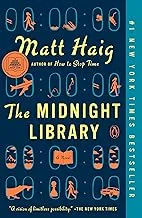
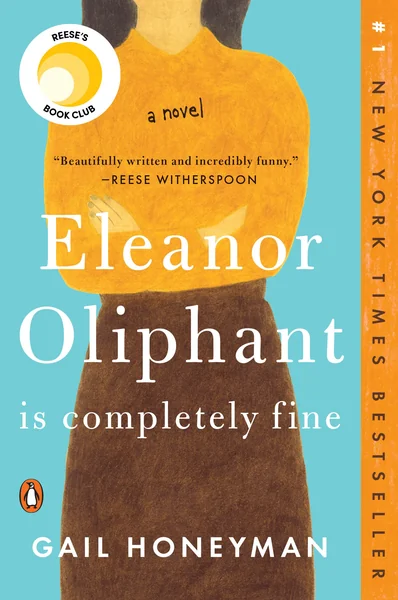
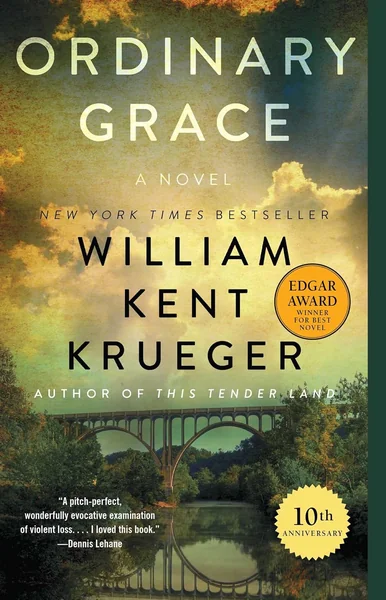
- Readers who loved Theo of Golden are well served by the curated titles below. Fredrik Backman and Matt Haig are the authors most explicitly cited as tonal relatives — Matt Haig's The Midnight Library shares the novel's meditative focus on human connection and life's invisible threads. William Kent Krueger's Ordinary Grace offers a similarly small-town, emotionally resonant atmosphere, while Gail Honeyman's Eleanor Oliphant Is Completely Fine explores loneliness and the transformative power of being seen by another person — a central preoccupation of Theo of Golden. For readers drawn to the word-of-mouth, community-driven story of how the book rose to prominence, Lisa Wingate's The Book of Lost Friends offers comparable warmth and Southern setting.
- Who should read this?
- Theo of Golden is designed for adult readers drawn to quiet, character-driven fiction about community, generosity, and what it means to be truly seen. It will resonate most with fans of Fredrik Backman and Matt Haig, readers who responded to other recent word-of-mouth breakouts, and anyone interested in fiction that treats loneliness, heartbreak, and the invisible threads binding strangers together without irony or cynicism. Book club readers are a natural audience — the novel was selected as both a Katie Couric and a Jen Hatmaker Book Club pick. Readers who require meaningful conflict and hard-won emotional payoff may find it less satisfying.
- What are the main themes?
- The novel's core themes, as identified across critical coverage and the publisher's own framing, are generosity, loneliness, forgiveness, and the importance of being truly seen. Mr. Theo's portrait-gifting project is the structural mechanism through which these themes are explored: each painting becomes a catalyst for its subject to be acknowledged, to share regrets, and to receive something they did not know they needed. IveReadThis highlights the meditative quality of Theo's habit of spending long hours simply observing portraits at the Chalice — appreciating beauty for its own sake — as particularly resonant in a cultural moment of declining face-to-face interaction. All of these themes are handled, critics note, without irony.
- About Allen Levi
- Allen Levi is an American writer.
Summarize this book
Follow up
Synthesized from verified book data & published reviews · How we review
Press Enter to ask. Answers come from our editorial Q&A — start typing to see related questions.
Age & Reading Level
Recommended age
Adult
Reading level
Adult
who it suits
Skip if you need warmth earned through genuine conflict and a protagonist tested by real friction or moral stakes.
Editorial Review
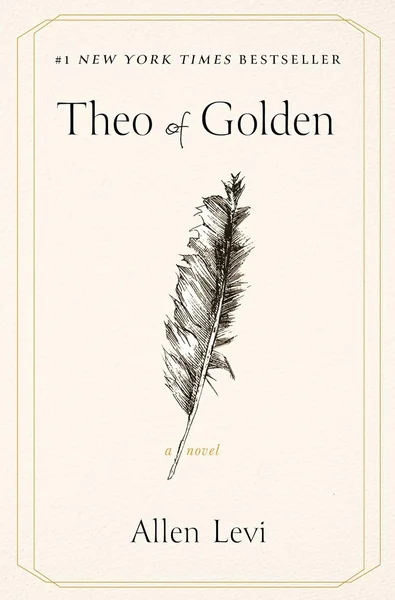
Theo of Golden is a life-affirming debut novel by Allen Levi — originally self-published in 2023, then reissued by Atria Books in October 2025 — that became one of the year's most unexpected literary success stories, landing on the New York Times' Combined Print & E-Book Fiction bestseller list for 15 weeks and reaching the #1 position. At the center of the novel is Mr.…
Read the Full ReviewBooks like Theo of Golden
Curated picks for readers who enjoyed Theo of Golden, with our reasoning for each match.
If you liked Theo of Golden