At a glance
LuvemBooks Verdict
Best for: Readers drawn to literary nonfiction who want to encounter themes of leadership, influence, and character through human narrative rather than business frameworks or self-help rubrics — particularly those interested in overlooked, quietly consequential lives.
Worth it? Skip it? Read the full verdict →Ask LuvemBooks
Was this helpful?
- Is it worth reading?
- For readers who prefer nonfiction that makes its argument through human narrative rather than data, case studies, or coaching frameworks, The Quiet Ones offers something genuinely distinctive: a collection that trusts its stories to carry the argument without pivoting to action items. The profiles that land hardest — those in which a genuine hard decision or internal conflict surfaces and the cost of quiet integrity becomes visible — are, per the LuvemBooks assessment, notably gripping. The caveat is that not all 12 stories sustain that tension; a handful grow too reverential in tone and feel more like appreciations than portraits. Readers who can accept uneven impact across a collection, and who are not expecting broad cultural representation, are most likely to find it rewarding.
- Similar books
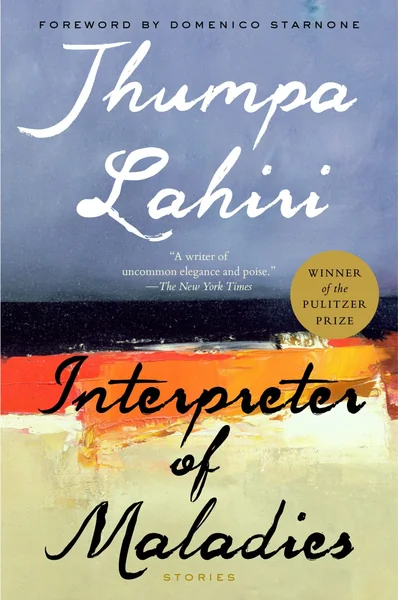
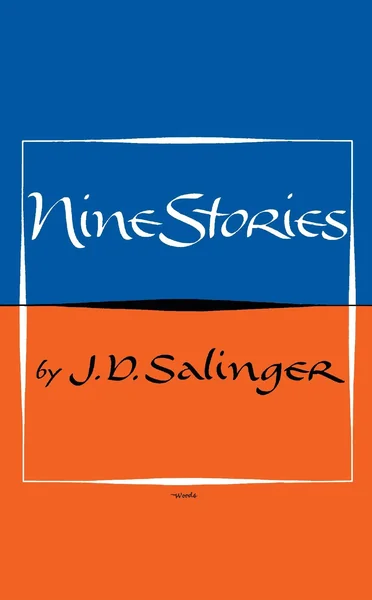
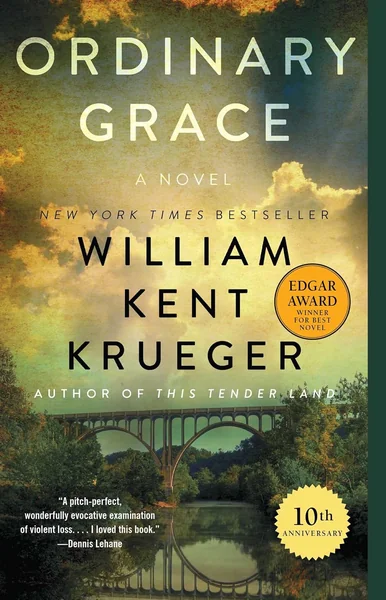
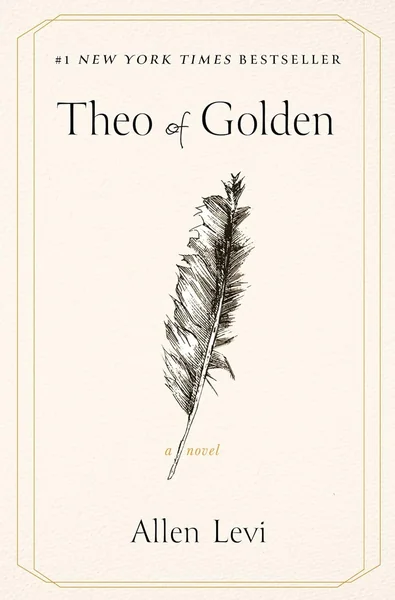
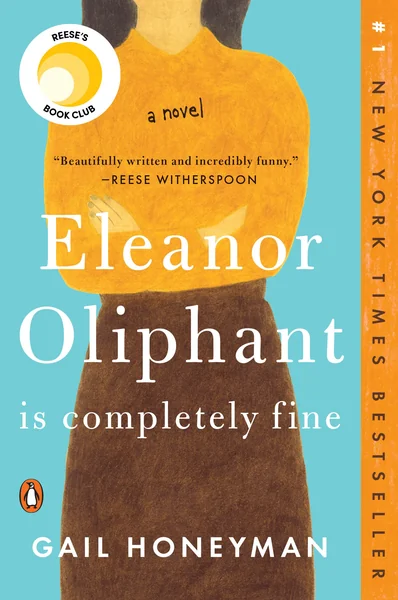
- Readers drawn to The Quiet Ones for its literary nonfiction sensibility and interest in unassuming, quietly powerful lives may find rewarding company in Raymond Carver's Cathedral and Jhumpa Lahiri's Interpreter of Maladies — both short story collections that locate enormous emotional weight in ordinary, often overlooked lives. J.D. Salinger's Nine Stories similarly rewards readers who prefer theme and character to arrive obliquely rather than through declaration. For longer-form fiction exploring quiet moral integrity in everyday settings, William Kent Krueger's Ordinary Grace and Allen Levi's Theo of Golden offer that same conviction that quiet lives carry lasting power. Gail Honeyman's Eleanor Oliphant Is Completely Fine rounds out the selection for readers who connect with singular, underestimated characters whose inner lives run deeper than the world around them notices.
- Who should read this?
- The Quiet Ones is designed for readers drawn to nonfiction that makes its argument through story rather than data, case studies, or coaching frameworks — specifically those interested in leadership, influence, and character who want to encounter those themes through human narrative rather than business literature or personal-development rubrics. Readers who engage with biographical and literary nonfiction about overlooked figures, and who are comfortable with a collection that varies in intensity across its entries, are the natural fit. It is also a strong choice for anyone who has grown wary of inspirational nonfiction that converts every insight into action items, since Marsh deliberately withholds that apparatus. Readers hoping for a globally representative survey of unsung influence should note the collection's primary focus on contemporary Western examples.
- What are the main themes?
- The collection's philosophical core is the proposition that leadership and influence are not synonymous with visibility — that quiet work shapes the world in ways louder achievements rarely do, and that the historical record habitually overlooks it. Running through all 12 accounts is a sustained interest in the cost of quiet integrity: the hard decisions made without public witness, the internal conflict that never surfaces as spectacle. Marsh also interrogates how greatness gets defined and recorded, implicitly arguing that dominant frameworks for recognising achievement are skewed toward the visible and the loud. The argument is never declared outright but accumulates story by story, matching the form to the content.
- How is the book structured?
- The Quiet Ones is organised as 12 standalone accounts, each operating as a self-contained narrative — meaning readers can move through the collection non-linearly without losing thematic coherence. There is no overarching thesis statement, no worksheets, no exercises, and no prescriptive framework; Marsh keeps the work purely narrative and trusts the stories to carry the argument. The philosophical through-line — that unassuming, unrecognised influence is real and consequential — accumulates organically across the 12 pieces rather than being declared at the outset. That structure suits the subject: a book about unassuming power deliberately resists organising itself around grand proclamations.
- How diverse is the cultural perspective?
- This is one of the collection's noted limitations. The Quiet Ones draws primarily on contemporary Western examples, meaning its definition of 'quiet greatness' is culturally specific and may not speak with equal force across different social contexts or historical periods. The LuvemBooks assessment acknowledges that the focus is understandable given Marsh's background and likely audience, but flags it as a structural limitation for readers hoping for a globally representative survey of unsung influence. The scope is narrower than the title's broad framing implies.
Summarize this book
Follow up
Synthesized from verified book data & published reviews · How we review
Press Enter to ask. Answers come from our editorial Q&A — start typing to see related questions.
Age & Reading Level
Recommended age
Adult
Reading level
Adult
who it suits
Skip if you want prescriptive leadership frameworks, globally diverse profiles, or a collection with uniformly gripping pacing throughout.
Books like The Quiet Ones
Curated picks for readers who enjoyed The Quiet Ones, with our reasoning for each match.
If you liked The Quiet Ones