

In This Article
- What the Adaptation Involves
- Who Is Involved
- Context: A Busy Year for the Midnight Library Universe
- What to Watch
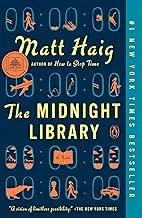
Canongate has acquired and will publish a graphic novel adaptation of Matt Haig's The Midnight Library, illustrated and adapted by Fred Fordham, set for release in October 2026, according to The Bookseller. The announcement places the adaptation in the same publishing window as a separate, standalone sequel novel by Haig — meaning two distinct Midnight Library-universe titles will land in the same year, as noted by Bleeding Cool.
What the Adaptation Involves
The graphic novel will bring Nora Seed's story — in which a woman navigates a mysterious library between life and death, exploring the books that represent the lives she never lived — into sequential art. According to Penguin Random House, the adaptation is described as capturing "every iteration of Nora's lives in vivid colors and immersive illustrations." Fordham is credited as both adapter and illustrator, meaning he is responsible for translating Haig's narrative into visual form as well as the artwork itself. For LuvemBooks' full verdict on the original novel, see our review.
Who Is Involved
Fred Fordham is identified by Penguin Random House as "the acclaimed artist behind the graphic novel" in its catalogue listing for the book, though the specific prior title is not named in the available source text. Canongate, an Edinburgh-based independent publisher, is the publisher of Haig's original The Midnight Library in the UK and is handling the graphic novel rights, per The Bookseller. The title is also listed through Penguin Random House channels in the US market, reflecting the transatlantic reach of the original publication.
Context: A Busy Year for the Midnight Library Universe
The graphic novel adaptation arrives in a year that already carries significant weight for Haig's Midnight Library world. Viking will publish The Midnight Train — a standalone novel described in a press release cited by Kirkus Reviews as a "magical, time-travelling love story" — on 26 May 2026. That novel follows a character named Wilbur who seeks to return to the past to be with his late wife Maggie. Kirkus notes the publisher describes it as a standalone but says "careful readers may spot a notable returning cameo appearance." The New York Times lists The Midnight Train among its most anticipated books of 2026, per Penguin Random House's US listing. Separately, a film adaptation of the original novel remains in development at StudioCanal, according to Kirkus Reviews.
What to Watch
The October 2026 publication date for Fordham's graphic novel means it will arrive roughly five months after The Midnight Train, giving both projects distinct release windows within the same calendar year. Barnes & Noble's catalogue describes the upcoming graphic novel as "a beautifully illustrated graphic novel edition of the global phenomenon," signalling how the book is being positioned in retail. No pricing or page-count details have been confirmed in available sources at the time of writing.
Frequently Asked Questions
Is The Midnight Library by Matt Haig worth reading before the graphic novel?
Yes, the original novel offers deeper philosophical exploration and internal monologue that may not translate fully to visual format. Reading both will provide complementary experiences of Nora's journey.
What is the main message of The Midnight Library?
The book explores how our regrets about unlived lives can prevent us from appreciating our actual existence. It argues for acceptance of our choices and finding meaning in the life we're actually living rather than fantasizing about alternatives.
Who should read The Midnight Library by Matt Haig?
The book appeals to readers interested in philosophical fiction, those dealing with life transitions or regret, and anyone curious about parallel lives and alternate realities. However, readers preferring action-driven plots might find it too contemplative.
Should I wait for the graphic novel adaptation of The Midnight Library?
Both versions will offer different strengths. The graphic novel may make the philosophical concepts more accessible through visual storytelling, while the original provides deeper character introspection and detailed exploration of Haig's ideas about regret and acceptance.
Reader Discussion
No comments yet
Be the first to share your thoughts!