8 min read
4.7
· 3,751 Amazon ratingsShare This Review
The Tucci Cookbook by Stanley Tucci Review: A Generous Italian Family Table
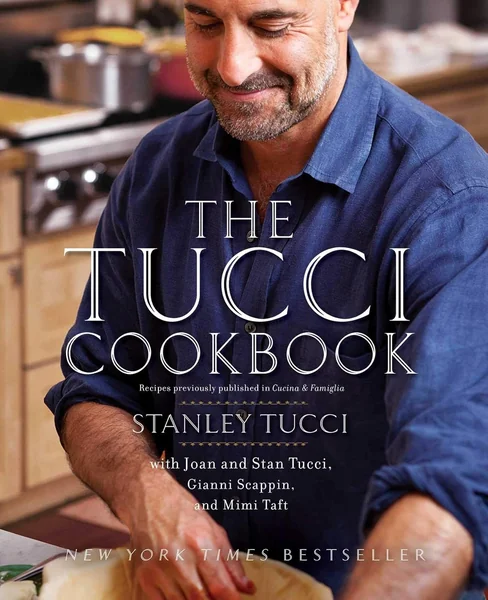
The Tucci Cookbook is a hardcover Italian cookbook published by Gallery Books in 2012, co-written by Stanley Tucci with his parents Joan and Stan Tucci, alongside chef Gianni Scappin and Mimi Stanley Taft, with a foreword by Mario Batali and photography by Francesco Tonelli. Built around nearly 200 recipes rooted in Italian home cooking, the book weaves family memory, wine pairings by Tyler Coleman, and the culinary legacy that runs from the Tucci household table to Big Night and beyond. This review assesses the book's content, structure, and reception from published sources — not a kitchen test.
 Tap to enlarge
LuvemBooks Verdict
Best for
Readers drawn to Italian-American home cooking with a strong narrative dimension — especially those who love Stanley Tucci's film Big Night and want recipes rooted in genuine family memory rather than celebrity polish.
Worth it if
The personal storytelling, collaborative family authorship, and accessible wine pairings appeal — this is a cookbook as much about inherited culinary identity as it is about technique.
Skip if
Those seeking encyclopedic Italian regional coverage or a rigorous, technique-forward reference will find the scope deliberately personal and the authorial voice diffuse across five named contributors.
What readers & critics say
Publishers Weekly calls it "a truly delightful cookbook," grounding its praise in the book's connection to Big Night and its comforting, elegant simplicity — while also noting, in its review of the follow-up, that The Tucci Cookbook set a high bar of domestic authenticity its sequel struggled to match (publishersweekly.com). The foodiebibliophile.com reviewer observes that the recipes are simple and easily attainable for a home cook, though not particularly new or innovative, while affirming that Tucci's culinary credibility is genuine.
“Stanley Tucci, before The Lovely Bones and Julie & Julia, first wrote, directed, and starred in Big Night — a small but brilliant film.”
— Publishers Weekly“Fans of The Tucci Cookbook hoping for another helping of Tucci's rich trove of family recipes may not find [the sequel] very satisfying.”
— Publishers WeeklyAsk LuvemBooks
Was this helpful?
- Is it worth reading?
- For readers drawn to Italian-American home cooking with genuine narrative depth, The Tucci Cookbook delivers meaningfully — Publishers Weekly calls it "a truly delightful cookbook," and Lidia Bastianich recommends it with "much admiration" as "an intimate glimpse into the Italian heritage that Stanley holds dear." The personal storytelling woven around individual recipes, the accessible wine pairings by Tyler Coleman calibrated for home cooks, and the philanthropic commitment to the Food Bank of New York City all give the book a dimension beyond a standard recipe collection. The honest caveat, drawn from the book's own sequel reception, is that the scope is deliberately personal: those seeking broad Italian regional coverage or a technique-forward reference will find the Tucci family's particular traditions front and center rather than a comprehensive survey.
- Similar books
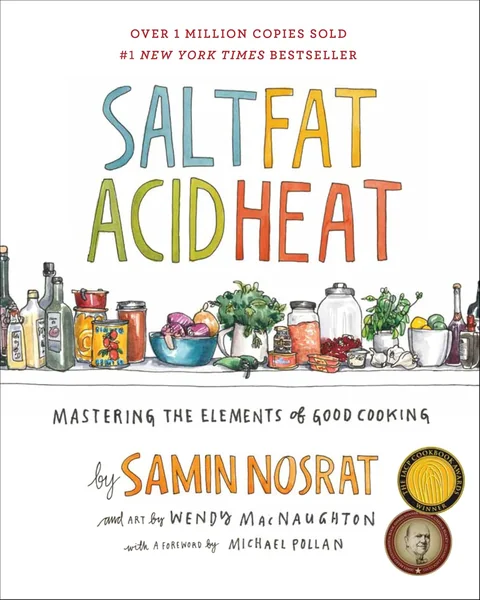
- Readers who respond to The Tucci Cookbook's blend of personal storytelling and home-cook recipes may also enjoy Anthony Bourdain and Laurie Woolever's Appetites: A Cookbook, which similarly filters culinary tradition through a strong celebrity personality and family-first sensibility. For approachable, trust-worthy home cooking with a warm narrative voice, Ina Garten's Barefoot Contessa Foolproof: Recipes You Can Trust and Joanna Gaines's Magnolia Table share the same spirit of generous, unfussy hospitality Jonathan Waxman identifies in the Tucci book. Those drawn to the craft and technique beneath the comfort food may find Samin Nosrat's Salt, Fat, Acid, Heat: Mastering the Elements of Good Cooking a useful companion volume. For gathering-centered cooking in the Italian tradition, Karen Mordechai's Sunday Suppers: Recipes + Gatherings offers a similarly seasonal, ingredient-forward approach.
- Who should read this?
- The Tucci Cookbook is best suited to home cooks who love Italian-American food and want a recipe collection with genuine storytelling behind it — not a technique manual or a comprehensive regional survey, but a vivid record of one family's culinary lineage. It will resonate especially with fans of Stanley Tucci's film Big Night, since the book culminates with the timpano recipe and weaves in memories from the film's research throughout. Readers who value the philanthropic dimension of their cookbook purchases — Tucci donated a portion of profits to the Food Bank of New York City — will find that spirit reflected throughout. Those seeking broad Italian regional coverage or a single authoritative voice will want to temper expectations.
- About Stanley Tucci
- Stanley Tucci Jr. is the author of The Tucci Cookbook.
- What are some standout recipes?
- The book's most talked-about recipe is the timpano — the elaborate drum of pasta that is the centerpiece of Big Night — presented here with a vegetarian version, giving the collection its narrative climax. The butternut squash, lobster, and sage risotto carries a direct memory of Scappin preparing it for Tucci during the film's research. Other notable dishes include pork tenderloin with fennel and rosemary, seared tuna with tomato and bread salad, and a prosciutto dish that swaps traditional melon for quartered figs from Stan Tucci's backyard fig trees — a detail that captures the book's ingredient-forward, family-rooted sensibility. A dessert pairing northern Italian polenta with plums (with figs as an offered substitute) rounds out the seasonal range.
- Does the book have a charitable angle?
- Yes — Stanley Tucci donated a portion of the book's profits to the Food Bank of New York City. Chef Jonathan Waxman identifies this as central to the book's character, describing its defining quality as generous: "from portion sizes to the constant theme of hospitality to Tucci's decision to donate a portion of the profits to the Food Bank of New York City." That philanthropic commitment is noted in the review as giving the book a dimension beyond recipe collection.
- How does it compare to The Tucci Table?
- When The Tucci Table appeared, Publishers Weekly observed that fans of The Tucci Cookbook "hoping for another helping of Tucci's rich trove of family recipes may not find this book very satisfying" — a backhanded compliment to the original that signals the first book set a high bar of domestic authenticity the follow-up struggled to match. The Tucci Cookbook's strength lies precisely in co-authorship with Tucci's own parents and Gianni Scappin, grounding the recipes in a genuine multigenerational family culinary lineage; The Tucci Table, by contrast, is understood to be a different kind of project. On the available evidence, the original is the more personally rooted of the two.
Summarize this book
Follow up
Synthesized from verified book data & published reviews · How we review
Press Enter to ask. Answers come from our editorial Q&A — start typing to see related questions.
Age & Reading Level
Recommended age
Adult
Reading level
Adult
who it suits
Skip if you're looking for a comprehensive, technique-forward Italian regional cooking reference rather than a personal family memoir in recipe form.
Our Review
What the Book Is and Where It Comes From
The Recipes: Scope and Character
Significance: A Lineage, Not Just a Name
Strengths: Voice, Narrative, and Wine Integration
Limitations and Who May Want More
Sources & Further Reading
The key facts and claims in this review are grounded in the retrieved, verified sources listed below.
- 1
Stanley Tucci, Wikipedia
- 2
- 3
publishersweekly.com
- 4
greenpan.us
- 5
foodiebibliophile.com
- 6
bookseriesinorder.com
- 7
- 8
barnesandnoble.com
Books like The Tucci Cookbook
Curated picks for readers who enjoyed The Tucci Cookbook, with our reasoning for each match.
If you liked The Tucci Cookbook